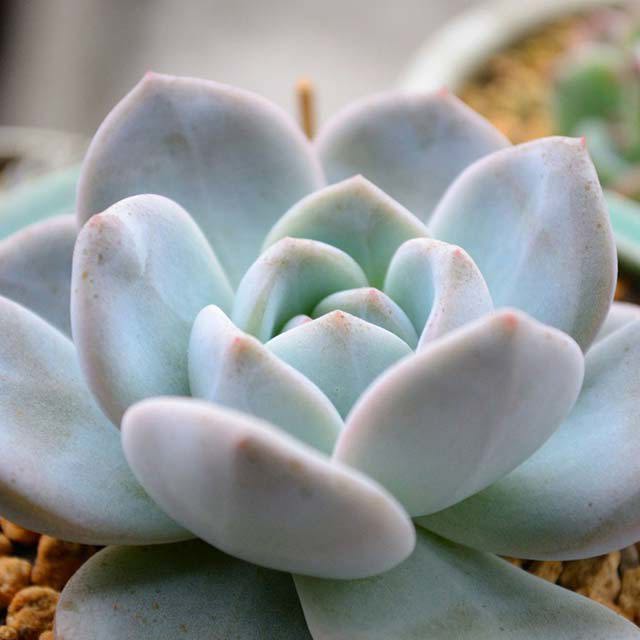
Echeveria laui x lindsayana Leggy Stems
eco Leggy Stems

Echeveria laui x lindsayana – Leggy Stems

Why does your Echeveria laui x lindsayana have leggy stems? Diagnose the cause and fix it with our step-by-step guide.

pets Pet Friendly

search Possible Causes

error

Insufficient Light Exposure

This hybrid requires high light intensity to maintain its compact rosette form. Lack of UV exposure triggers etiolation, where the plant stretches its stem cells toward a light source to maximize surface area for photosynthesis.

Very Common
lightbulb
How to confirm: Observe if the internodes (distance between leaves) are noticeably longer and more spaced out than a healthy specimen.
build How to fix it
shopping_cart Recommended Products
1 Move your Echeveria to a location with much higher light intensity, such as a south-facing window or outdoors in direct sunlight.
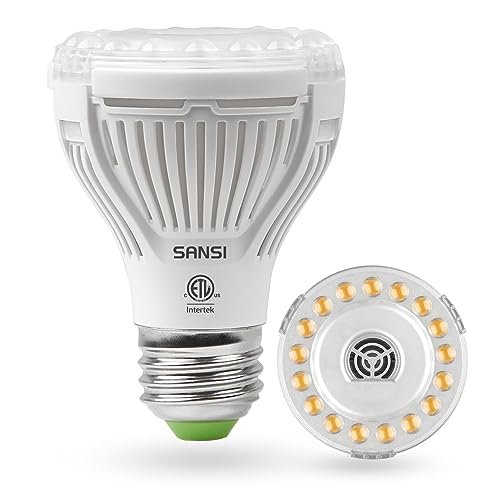
2 Supplement natural light with a full-spectrum grow light to provide the necessary UV exposure and prevent further stretching.
3 Carefully trim the elongated, leggy stems using sterilized shears to encourage the plant to maintain a compact rosette shape.
warning

Improper Watering Frequency

Inconsistent watering schedules can cause the plant to rapidly grow during wet periods without enough light to support dense foliage. This leads to weak, succulent tissue that lacks structural integrity.

Common
lightbulb
How to confirm: Check if you are watering on a set schedule rather than allowing the substrate to dry out completely between waterings.
build How to fix it
shopping_cart Recommended Products
1 Increase light exposure by moving the plant to a brighter location or using a full-spectrum grow light to support denser, more compact growth.
2 Monitor soil moisture levels closely with a moisture meter to ensure you only water when the soil is completely dry, preventing the growth spurts caused by overwatering.
3 Prune away the excessively elongated, weak stems to encourage the plant to focus energy on new, compact growth from the base.
warning

Excessive Nitrogen Fertilization

An overabundance of nitrogen-rich fertilizer promotes rapid vegetative growth. In Echeveria, this often results in 'soft' growth that lacks the characteristic compact, thick-leaved morphology of the species.

Common
lightbulb
How to confirm: Review recent fertilization records to see if a high-nitrogen organic or synthetic fertilizer was applied recently.
build How to fix it
shopping_cart Recommended Products
1 Stop all nitrogen-rich fertilization immediately to allow the plant to stabilize and prevent further soft, stretched growth.
2 Increase light exposure by moving the Echeveria to a brighter location or using a full-spectrum grow light to encourage more compact, dense leaf formation.
3 Flush the soil with water to leach out excess nitrogen salts from the growing medium.

Other Echeveria laui x lindsayana problems

Your plant might also be experiencing one of these issues:

local_hospital All symptoms eco All plants with leggy stems
favorite