Echeveria laui x lindsayana Yellow Leaves
eco Yellow Leaves

Echeveria laui x lindsayana – Yellow Leaves

Why does your Echeveria laui x lindsayana have yellow leaves? Diagnose the cause and fix it with our step-by-step guide.

pets Pet Friendly

search Possible Causes

error

Overwatering and Root Rot

Excessive moisture in the substrate causes oxygen deprivation in the roots of this hybrid, leading to cell breakdown and characteristic yellowing. This is particularly common if the soil retains water too long around the base of the rosette.

Very Common
lightbulb
How to confirm: Gently squeeze a lower leaf; if it feels mushy or comes away easily with dark rot at the base, it is overwatering.
build How to fix it
shopping_cart Recommended Products
1 Immediately remove the plant from its current container and trim away any mushy, black, or slimy roots caused by rot.
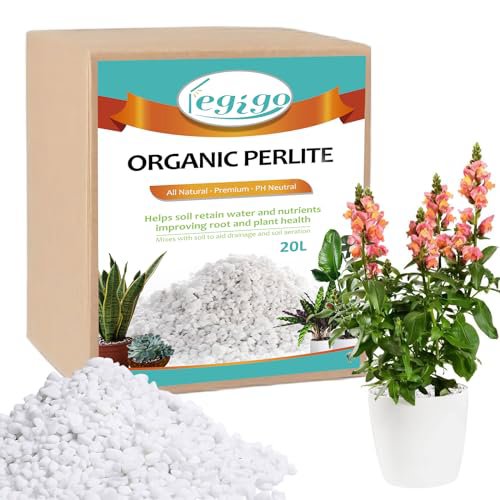
2 Repot the Echeveria in a well-draining, gritty substrate to ensure oxygen reaches the roots and prevent future water retention.
3 Use a moisture meter to monitor the substrate, ensuring you only water when the soil is completely dry to avoid repeat overwatering.
warning

Nutrient Deficiency (Nitrogen)

A lack of nitrogen prevents the production of chlorophyll in the Blue Elf's thick leaves. This usually manifests as a pale yellowing that starts with the older, lower leaves of the rosette.

Common
lightbulb
How to confirm: Check if the newest growth at the center remains blue/green while only the bottom leaves are turning yellow.
build How to fix it
shopping_cart Recommended Products
1 Apply a nitrogen-rich liquid fertilizer to boost chlorophyll production and restore the blue-green color to the leaves.
2 Check the soil moisture levels with a meter to ensure the nitrogen is being absorbed and not being washed away by overwatering.
3 Ensure the plant is in a well-draining potting medium to prevent root rot, which can also cause yellowing leaves.
warning

Sunburn or Light Stress

While Echeveria laui hybrids thrive in bright light, sudden exposure to intense, direct midday sun can damage the pigments. This often results in yellowing patches that may turn white or translucent.

Common
lightbulb
How to confirm: Look for localized yellow/white spots on the side of the plant facing the window or light source.
build How to fix it
shopping_cart Recommended Products
1 Move the plant to a location with bright, filtered light or provide afternoon shade to prevent further pigment damage from intense direct rays.
2 Monitor light intensity using a light meter or by observing the plant's reaction to its environment to ensure it receives adequate but non-scorching light.
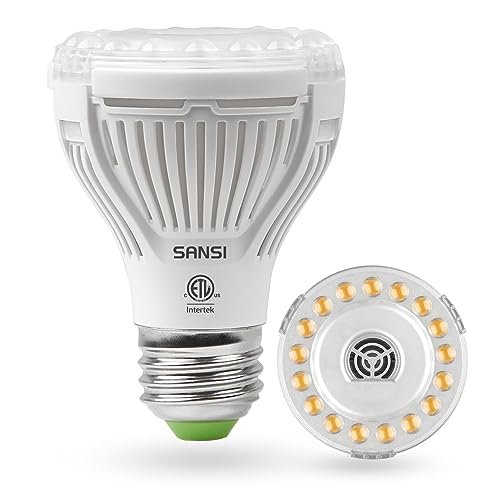
3 If the plant is in a high-heat area, consider using a full-spectrum grow light to supplement light needs without the heat of direct sun.
warning

Temperature Fluctuations

Extreme cold or sudden drops in temperature can shock this succulent, causing the metabolic processes to stall and leaves to lose their color. This often triggers a systemic yellowing of the entire rosette.

Common
lightbulb
How to confirm: Check if the plant was recently exposed to temperatures below 50°F (10°C) or near a drafty window.
build How to fix it
shopping_cart Recommended Products
1 Move your Echeveria to a stable environment away from cold drafts or sudden temperature drops to prevent further metabolic shock.
2 Monitor the soil moisture closely using a moisture meter to ensure the plant is not also suffering from overwatering during this period of temperature stress.
3 Apply a light feeding of seaweed fertilizer to help the plant recover from environmental stress and boost nutrient uptake.

Other Echeveria laui x lindsayana problems

Your plant might also be experiencing one of these issues:

local_hospital All symptoms eco All plants with yellow leaves
favorite