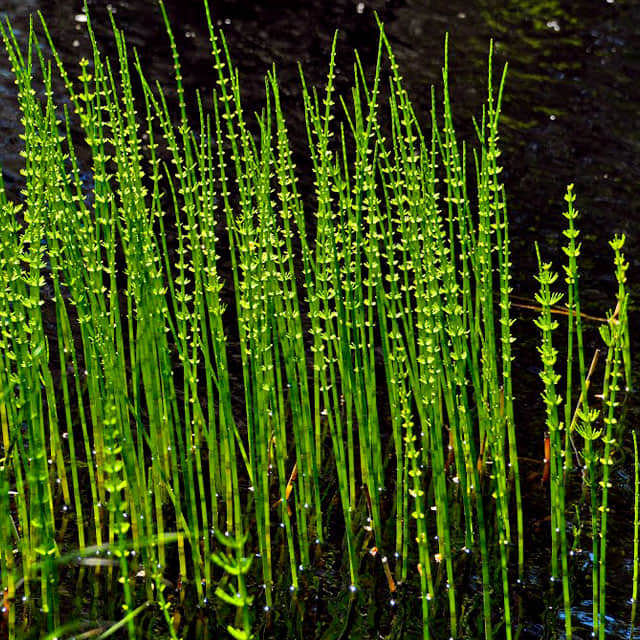
Equisetum fluviatile Brown Leaf Tips
eco Brown Leaf Tips

Equisetum fluviatile – Brown Leaf Tips

Why does your Equisetum fluviatile have brown leaf tips? Diagnose the cause and fix it with our step-by-step guide.

search Possible Causes

error

Low Humidity / Desiccation

As an obligate wetland species, Equisetum fluviatile requires high ambient humidity. When the air is too dry, the delicate terminal segments of the stems lose moisture faster than the roots can replace it, leading to tip necrosis.

Very Common
lightbulb
How to confirm: Check if the tips turn brown during periods of low indoor humidity or heating use.
build How to fix it
shopping_cart Recommended Products
1 Increase ambient humidity around the plant by using a pebble tray or a fine misting spray bottle to keep the air moist.
2 Monitor soil moisture levels closely to ensure the substrate remains consistently saturated, as this species thrives in wetland conditions.
3 Prune away the dead, brown tips using sterilized shears to prevent further moisture loss from the stems.
error

Salt or Mineral Accumulation

Water Horsetail is sensitive to high concentrations of dissolved solids. If using tap water with high chlorine, chloramines, or carbonates, salts accumulate in the stem extremities, causing chemical burn at the tips.

Very Common
lightbulb
How to confirm: Monitor if the browning occurs after a period of using fresh tap water without regular flushing.
build How to fix it
shopping_cart Recommended Products
1 Flush the substrate thoroughly with distilled or rainwater to leach out accumulated mineral salts and carbonates.
2 Transition to using filtered, distilled, or rainwater for all future hydration to prevent new salt buildup.
3 Monitor the soil moisture levels closely to ensure the medium remains well-oxygenated and does not become stagnant.
warning

Nutrient Burn (Fertilizer Salts)

Excessive application of nitrogen or potassium can lead to salt buildup in the substrate. This osmotic stress pulls water away from the growing tips, causing them to desiccate and turn brown.

Common
lightbulb
How to confirm: Examine if the browning coincides with recent fertilization cycles.
build How to fix it
shopping_cart Recommended Products
1 Flush the substrate thoroughly with large amounts of fresh, distilled, or demineralized water to leach out accumulated fertilizer salts.
2 Prune away the brown, desiccated tips using sterilized shears to prevent further aesthetic decline and allow for healthy new growth.
3 Transition to a much more diluted feeding schedule, using a balanced liquid fertilizer like FoxFarm Grow Big at a fraction of the recommended dose.
warning

Substrate Anoxia (Root Suffocation)

While this species loves water, stagnant, depleted oxygen levels in the substrate can impair root function. If the roots cannot effectively transport water to the stems due to lack of oxygen, the tips will be the first to show signs of wilting and browning.

Common
lightbulb
How to confirm: Check if the water/substrate is stagnant or lacks any movement/aeration.
build How to fix it
shopping_cart Recommended Products
1 Increase oxygenation in the substrate by gently aerating the soil or water to prevent stagnant, anaerobic conditions.
2 Refresh the growing medium with a highly porous substrate like perlite or clay pebbles to improve water movement and oxygen access to the roots.
3 Monitor the moisture levels closely using a moisture meter to ensure the substrate remains saturated but not stagnant.

Other Equisetum fluviatile problems

Your plant might also be experiencing one of these issues:

local_hospital All symptoms eco All plants with brown leaf tips
favorite




