Equisetum fluviatile Tiny Black Flies
eco Tiny Black Flies

Equisetum fluviatile – Tiny Black Flies

Why does your Equisetum fluviatile have tiny black flies? Diagnose the cause and fix it with our step-by-step guide.

search Possible Causes

error

Fungus Gnats (Sciarid Flies)

The larvae of fungus gnats thrive in the highly moist, organic substrates preferred by Equisetum fluviatile. They feed on decaying organic matter and fine root hairs within the saturated soil/sediment.

Very Common
lightbulb
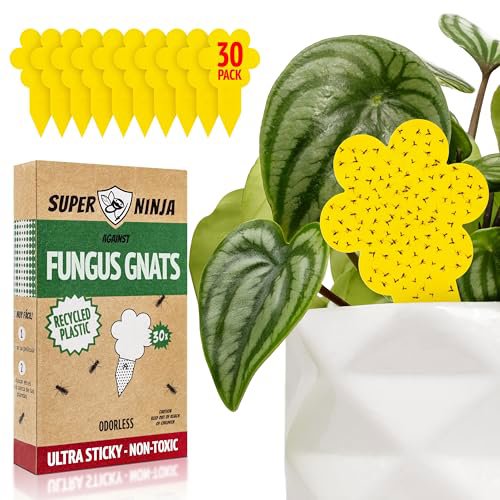
How to confirm: Set a yellow sticky trap near the base of the plant to see if small black flies are captured.
build How to fix it
shopping_cart Recommended Products
1 Apply a biological control to eliminate the adult flies and target the larvae in the soil.
2 Allow the top layer of the substrate to dry out slightly between waterings to disrupt the larvae's moist habitat.
3 Top-dress the soil with a layer of horticultural perlite to create a dry barrier that prevents adults from laying eggs.
warning

Black Scab Fruit Fly or similar Diptera larvae

Certain species of flies lay eggs in moist environments where larvae may feed on the softening tissues of aquatic or semi-aquatic plants like Water Horsetail.

Common
lightbulb
How to confirm: Inspect the base of the stems for any signs of soft, decaying tissue or small exit holes.
build How to fix it
shopping_cart Recommended Products
1 Deploy yellow sticky traps near the plant to capture adult flies and disrupt the breeding cycle.
2 Apply an organic insecticide spray to the plant and surrounding soil to target larvae and prevent further egg-laying.
3 Reduce surface moisture and ensure the growing medium is not overly stagnant to make the environment less hospitable for Diptera larvae.
warning

Soil Microfauna Attraction (Decomposing Organic Matter)

The presence of flies may not be a direct pest of the plant itself, but rather an indicator that the substrate for your Equisetum is accumulating anaerobic, decaying organic matter which attracts various scavenging flies.

Common
lightbulb
How to confirm: Smell the substrate; if it has a sulfurous or 'rotten egg' odor, the environment is likely attracting these insects.
build How to fix it
shopping_cart Recommended Products
1 Remove any visible decaying organic matter or stagnant water from the substrate to eliminate the food source for the flies.
2 Repot the plant in fresh, well-aerated substrate to reduce anaerobic decomposition and prevent further fly attraction.
3 Use yellow sticky traps to capture the adult flies and monitor the population levels.

Other Equisetum fluviatile problems

Your plant might also be experiencing one of these issues:

local_hospital All symptoms eco All plants with tiny black flies
favorite