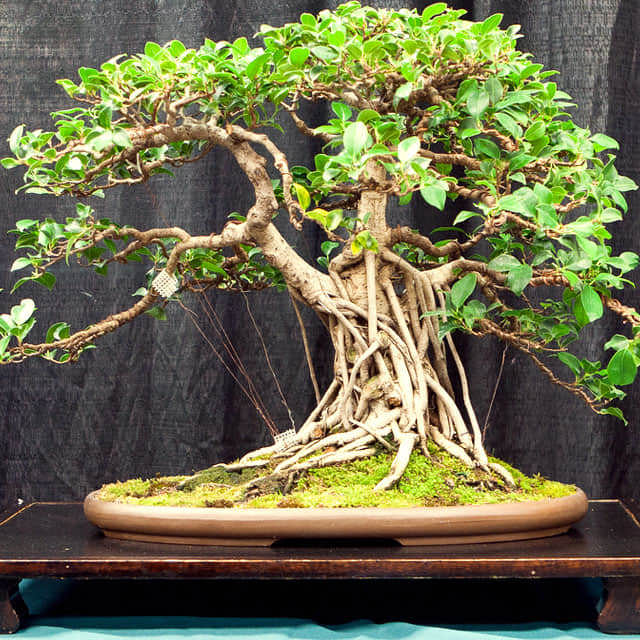
Why does your Ficus retusa have sticky leaves? Diagnose the cause and fix it with our step-by-step guide.
Aphids are sap-sucking insects that pierce the tender leaves of Ficus retusa to feed, excreting a sugary substance known as honeydew. This honeydew is the primary cause of the sticky residue on leaf surfaces.
Scale insects attach themselves to the stems and leaves of the Chinese Banyan and secrete honeydew as they feed on plant fluids. Unlike aphids, these pests often look like small, stationary bumps or bumps on the bark.
Mealybugs produce sticky honeydew while feeding on Ficus sap, often accompanied by a white, cottony substance. They tend to hide in the leaf axils (where the leaf meets the stem).
While not the direct cause of stickiness, sooty mold is a black fungus that grows on the honeydew left behind by sucking insects. The presence of black, velvety coating confirms an underlying insect issue.
Your plant might also be experiencing one of these issues:

 English
 Italiano