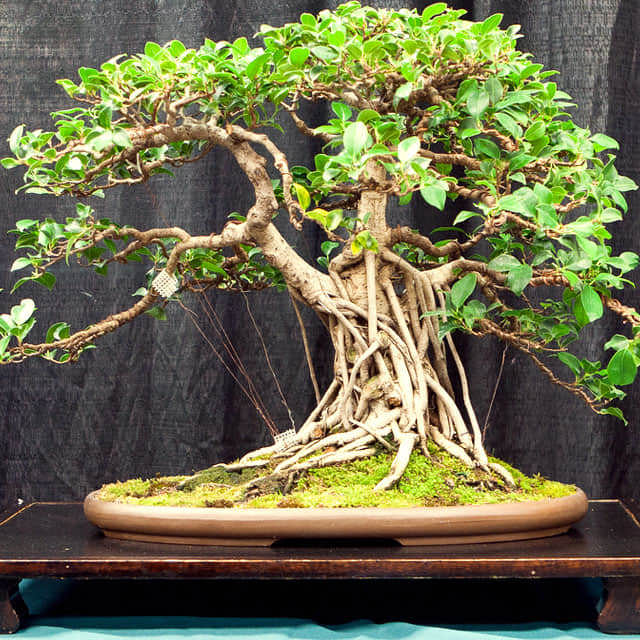
Why does your Ficus retusa have yellow leaves? Diagnose the cause and fix it with our step-by-step guide.
Ficus retusa is highly susceptible to root rot if the soil remains saturated. Excess water displaces oxygen in the substrate, causing roots to decay and preventing the plant from transporting nutrients, which manifests as uniform yellowing of leaves.
As a tropical species, sudden changes in temperature, humidity, or light intensity can trigger a stress response. Moving a Ficus retusa to a new location often causes the plant to shed older leaves through chlorosis and abscission.
In container-grown Ficus retusa, prolonged use of the same potting medium can deplete essential minerals. Nitrogen deficiency typically causes older leaves to turn pale yellow first, while magnesium deficiency may show interveinal chlorosis.
Ficus retusa requires bright, indirect light to maintain chlorophyll production. If light levels are too low, the plant cannot sustain its metabolic processes, leading to leaf yellowing and eventual leaf drop.
Your plant might also be experiencing one of these issues:

 English
 Italiano