Foeniculum vulgare Leggy Stems
eco Leggy Stems

Foeniculum vulgare – Leggy Stems

Why does your Foeniculum vulgare have leggy stems? Diagnose the cause and fix it with our step-by-step guide.

pets Pet Friendly

search Possible Causes

error

Insufficient Light Intensity

Fennel is a sun-loving herb that requires full sun to develop sturdy, structural stems. When light levels are low, the plant undergoes etiolation, stretching its internodes rapidly to search for a light source.

Very Common
lightbulb
How to confirm: Observe if the plants are located in a shaded area or if nearby tall plants are blocking sunlight.
build How to fix it
shopping_cart Recommended Products
1 Move your fennel to a location that receives at least 6 to 8 hours of direct sunlight daily to prevent further stretching.
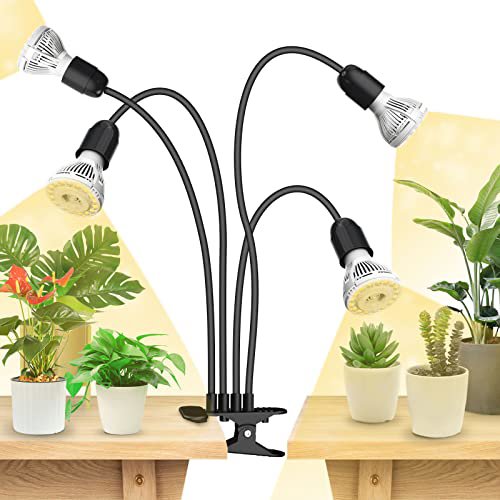
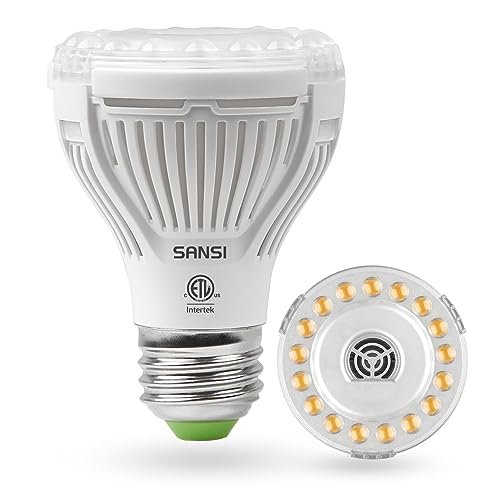
2 Supplement with a full-spectrum grow light to provide the necessary light intensity for sturdy stem development.
3 Prune any excessively weak or collapsed stems to allow the remaining healthy growth to focus energy on structural strength.
warning

Excessive Nitrogen Fertilization

High levels of nitrogen promote rapid vegetative growth, which can lead to succulent, weak, and elongated stems that lack the lignin necessary for structural support.

Common
lightbulb
How to confirm: Check if you have recently applied a high-nitrogen fertilizer or if the foliage is an unnaturally deep, dark green.
build How to fix it
shopping_cart Recommended Products
1 Stop all nitrogen-rich fertilization immediately to allow the plant to stabilize and focus on structural development.
2 Flush the soil with plenty of fresh water to leach out excess nitrogen salts from the root zone.
3 Provide increased sunlight or supplemental lighting to encourage sturdier, more compact growth.
warning

High Planting Density

If fennel seeds are sown too closely together, individual plants will compete for light and nutrients, causing them to grow tall and spindly as they race to overtop their neighbors.

Common
lightbulb
How to confirm: Examine the base of the stems to see if multiple plants are crowding each other in a single cluster.
build How to fix it
shopping_cart Recommended Products
1 Thin out the seedlings by removing the smaller, weaker plants, leaving enough space for the remaining fennel to grow without competition.
2 Ensure the remaining plants receive adequate sunlight to prevent further stretching and spindly growth.
3 Apply a balanced liquid fertilizer to help the thinned plants recover and build stronger, sturdier stems.
warning

Inconsistent Watering Regimes

Fluctuating moisture levels can cause growth spurts followed by stress, leading to uneven cell elongation and weak stem development in the fennel's feathery foliage.

Common
lightbulb
How to confirm: Feel the soil moisture at a depth of 2 inches to determine if there have been periods of drought followed by heavy saturation.
build How to fix it
shopping_cart Recommended Products
1 Stabilize the moisture levels by using a moisture meter to ensure the soil remains consistently damp but not waterlogged.
2 Apply a balanced liquid fertilizer to provide the nutrients necessary for strengthening cell walls and stem structure.
3 Mulch the base of the fennel with organic matter to help retain even moisture in the soil and prevent rapid evaporation.

Other Foeniculum vulgare problems

Your plant might also be experiencing one of these issues:

local_hospital All symptoms eco All plants with leggy stems
favorite