Foeniculum vulgare Tiny Black Flies
eco Tiny Black Flies

Foeniculum vulgare – Tiny Black Flies

Why does your Foeniculum vulgare have tiny black flies? Diagnose the cause and fix it with our step-by-step guide.

pets Pet Friendly

search Possible Causes

error

Fungus Gnats (Sciaridae)

The tiny black flies are likely fungus gnat adults, which breed in the moist organic matter of fennel's potting soil. Their larvae feed on decaying organic material and can damage the delicate root system of Fennel if populations explode.

Very Common
lightbulb
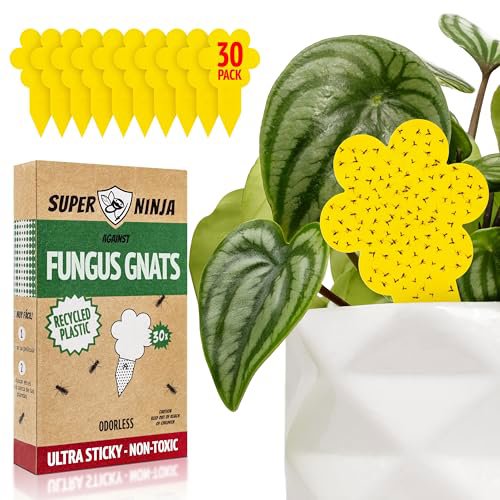
How to confirm: Place a yellow sticky trap near the base of the fennel plant to confirm the presence of flying adults.
build How to fix it
shopping_cart Recommended Products
1 Deploy yellow sticky traps to capture adult fungus gnats and prevent further breeding cycles.
2 Reduce watering frequency and allow the top inch of soil to dry out completely to disrupt the larvae's moist breeding environment.
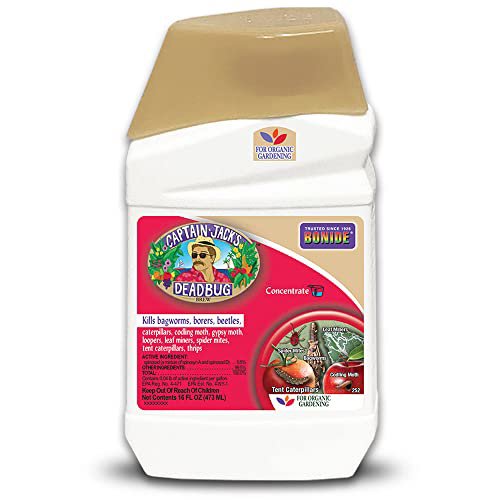
3 Apply a biological control or organic insecticide to target the larvae and adults within the soil.
warning

Blackberry Fruit Fly (Dacus spp.) or similar Diptera

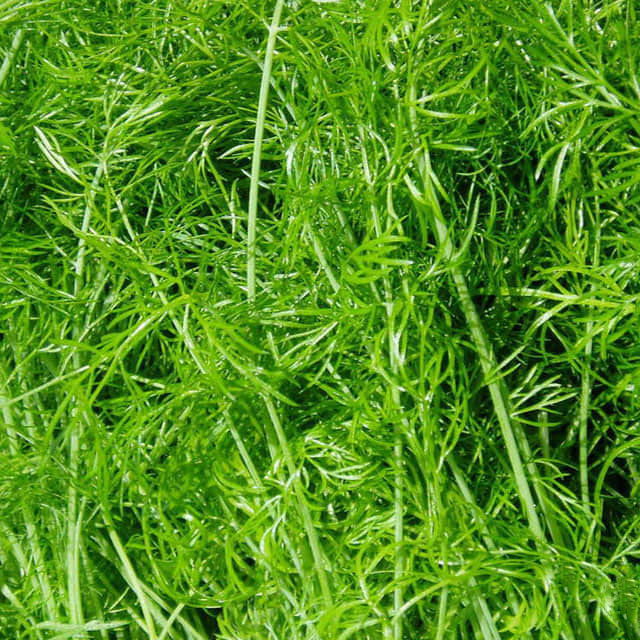
Certain species of small flies are attracted to the aromatic oils and moisture of Fennel foliage. While they don't primarily target fennel, their presence often indicates a high-humidity environment that can lead to secondary fungal issues.

Common
lightbulb
How to confirm: Observe if the flies are hovering specifically around the feathery foliage or the base of the stem.
build How to fix it
shopping_cart Recommended Products
1 Apply an organic insecticide to eliminate the adult flies and larvae, such as a neem oil spray, to disrupt their life cycle.
2 Deploy yellow sticky traps near the fennel foliage to capture flying adults and monitor the infestation level.
3 Reduce humidity around the plant by ensuring better airflow and avoiding overwatering, which prevents the moist conditions that attract these flies.
warning

Soil Nutrient Deficiency leading to Rot

Excessive moisture causing root decay creates a breeding ground for scavengers and flies. As the Fennel roots rot, the smell of decomposing organic matter attracts various small dipterans.

Common
lightbulb
How to confirm: Gently lift the plant to check if the fennel roots are dark, slimy, or emitting an unpleasant odor.
build How to fix it
shopping_cart Recommended Products
1 Reduce watering frequency and allow the top inch of soil to dry out completely to eliminate the moist environment attracting flies.
2 Apply a biological control to target the larvae and adults of the flies, such as a neem oil spray or organic insecticide.
3 Repot the fennel in a well-draining medium enriched with perlite to improve aeration and prevent future root rot.

Other Foeniculum vulgare problems

Your plant might also be experiencing one of these issues:

local_hospital All symptoms eco All plants with tiny black flies
favorite