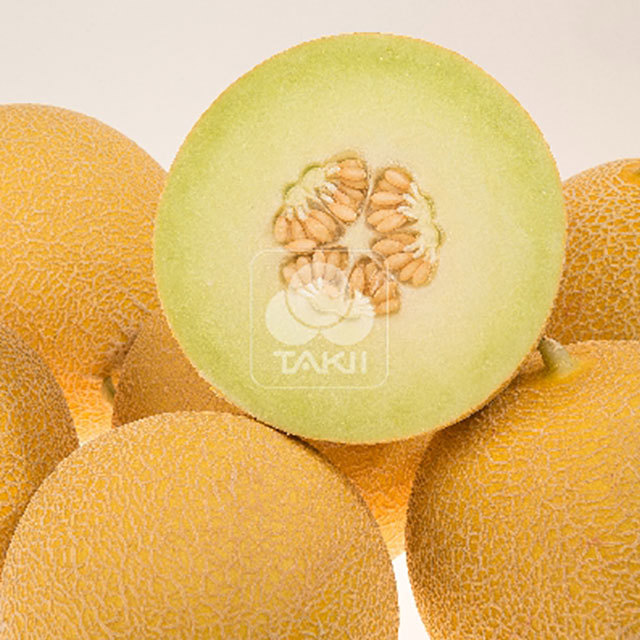
Galia Melon Fandango F1 Drooping Leaves
eco Drooping Leaves

Galia Melon Fandango F1 – Drooping Leaves

Why does your Galia Melon Fandango F1 have drooping leaves? Diagnose the cause and fix it with our step-by-step guide.

search Possible Causes

error

Water Stress (Underwatering or Drought)

Galia melons have shallow root systems that are highly sensitive to soil moisture fluctuations. When the soil dries out, the plant loses turgor pressure, causing the leaves to wilt rapidly to conserve moisture.

Very Common
lightbulb
How to confirm: Check the top inch of soil; if it is bone dry and the wilt recovers after deep watering, it is drought stress.
build How to fix it
shopping_cart Recommended Products
1 Immediately check the soil moisture level at the root zone using a moisture meter to confirm the depth of the drought.
2 Apply a deep, thorough watering to the base of the plant, ensuring the soil is completely saturated to restore turgor pressure.
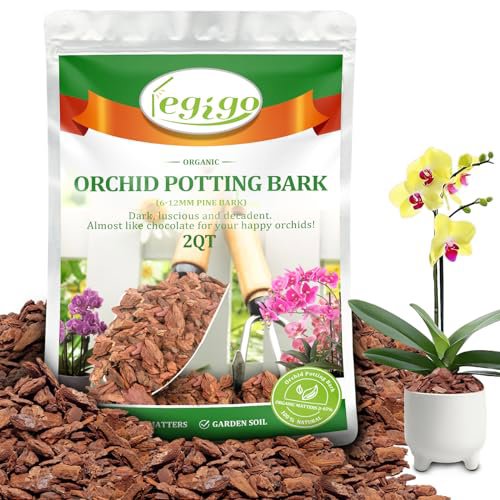
3 Apply a layer of organic mulch or coconut coir around the base of the melon to help retain soil moisture and prevent future rapid drying.
warning

Fusarium Wilt (Fusarium oxysporum f. sp. melonis)

This soil-borne fungus invades the vascular system of the Galia melon plant, physically blocking water transport. This results in progressive unilateral wilting, often starting on one side of a leaf or one part of the vine.

Common
lightbulb
How to confirm: Slice a small section of the stem near the base to look for characteristic reddish-brown discoloration in the vascular tissue.
build How to fix it
shopping_cart Recommended Products
1 Immediately remove and destroy any infected plant material and avoid composting it to prevent the spread of the soil-borne fungus.
2 Sterilize all gardening tools, such as pruning shears, with alcohol after use to prevent transferring the pathogen to healthy plants.
3 Improve soil drainage and aeration by incorporating perlite or coarse sand into the planting area to reduce the moisture levels that favor fungal growth.
warning

Root Rot (Pythium or Phytophthora)

Excessive moisture at the base of the Galia melon vine promotes fungal pathogens that decay the roots. As the root structure fails, the plant can no longer uptake water, leading to symptoms that mimic drought.

Common
lightbulb
How to confirm: Gently lift a portion of the vine to inspect the roots for any dark, slimy, or foul-smelling decaying tissue.
build How to fix it
shopping_cart Recommended Products
1 Immediately reduce watering frequency and ensure the soil is not waterlogged to stop the spread of fungal pathogens.
2 Repot the melon plant into a fresh, well-draining medium enriched with perlite to improve aeration and prevent future rot.
3 Apply a fungicide treatment to protect the remaining healthy plant tissue from further decay.
warning

Extreme Heat Stress

During periods of high temperatures exceeding 95°F (35°C), Galia melons may wilt during the hottest part of the day as a physiological defense mechanism to reduce transpiration.

Common
lightbulb
How to confirm: Observe if the leaves perk up again once the sun sets or during the cooler early morning hours.
build How to fix it
shopping_cart Recommended Products
1 Provide immediate shade during peak afternoon hours to lower the plant's temperature and reduce transpiration.
2 Ensure consistent soil moisture by checking the root zone; use a moisture meter to prevent the plant from drying out completely during heatwaves.
3 Apply a mulch layer around the base of the plant to insulate the soil and keep root temperatures cooler.

Other Galia Melon Fandango F1 problems

Your plant might also be experiencing one of these issues:

local_hospital All symptoms eco All plants with drooping leaves
favorite