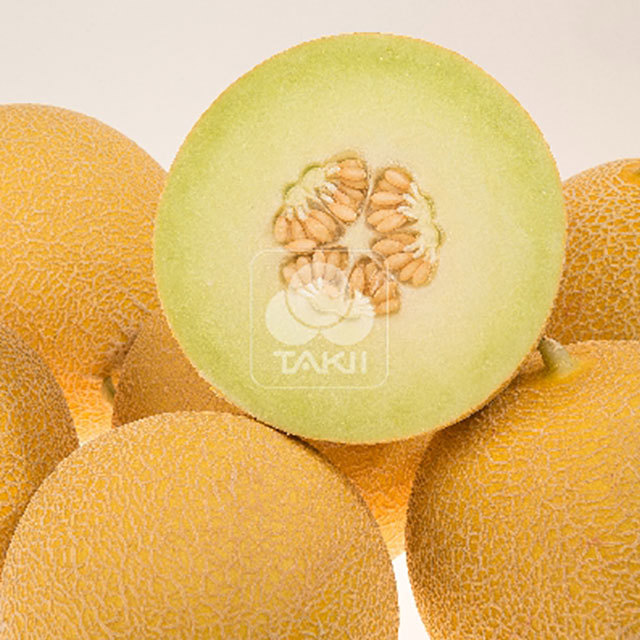
Galia Melon Fandango F1 White Powder
eco White Powder

Galia Melon Fandango F1 – White Powder

Why does your Galia Melon Fandango F1 have white powder? Diagnose the cause and fix it with our step-by-step guide.

search Possible Causes

error

Powdery Mildew

This is the most common cause of white, flour-like patches on Galia melon leaves. It is a fungal disease caused by Oidium neolycopersici that thrives in high humidity and moderate temperatures, often obscuring photosynthesis.

Very Common
lightbulb
How to confirm: Inspect the undersides of leaves for white fungal mycelium that looks like dusted flour.
build How to fix it
shopping_cart Recommended Products
1 Apply an organic fungicide to the affected leaves to stop the spread of the fungal spores.
2 Prune and remove any heavily infected leaves to prevent the fungus from spreading to healthy melon foliage.
3 Improve air circulation around the melon plants and avoid overhead watering to reduce the humidity that fuels mildew growth.
warning

Whiteflies

Infestations of whiteflies can leave behind a white, waxy residue or cause leaves to appear dusty due to their presence and honeydew excretion. They specifically target the undersides of melon foliage, sucking sap and weakening the plant.

Common
lightbulb
How to confirm: Tap the plant lightly to see if tiny white insects fly out from beneath the leaves.
build How to fix it
shopping_cart Recommended Products
1 Apply an organic insecticide spray to the undersides of the leaves to eliminate adult whiteflies and larvae.
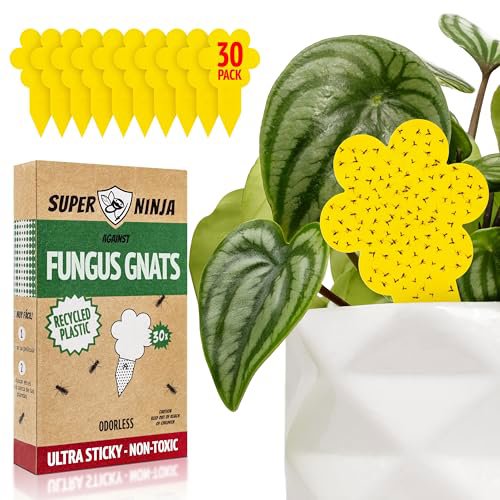
2 Deploy yellow sticky traps near the foliage to capture flying adults and monitor the infestation level.
3 Clean the leaves of any waxy residue or honeydew to prevent the growth of secondary fungal issues like sooty mold.
warning

Mealybug Infestation

Mealybugs are small, soft-bodied insects covered in a white, cottony wax that can look like powder on stems and leaf junctions. They feed on the melon's vascular system, often causing yellowing alongside the white patches.

Common
lightbulb
How to confirm: Use a magnifying glass to check for small, immobile white clusters in the leaf axils or near the base of the fruit.
build How to fix it
shopping_cart Recommended Products
1 Treat the infestation immediately with an organic insecticide to eliminate the white, cottony mealybug pests.
2 Isolate the melon plant from other greenery to prevent the mealybugs from spreading to your healthy plants.
3 Wipe away visible white patches from stems and leaf junctions using a cotton swab dipped in isopropyl alcohol to kill remaining insects on contact.
warning

Mineral/Salt Deposits

If the white powder is only present on the leaf surfaces and looks more like crusty spots, it may be salt buildup from hard water or excessive fertilizer. This can occur when water evaporates quickly off the melon leaves during high heat.

Common
lightbulb
How to confirm: Wipe a white spot with a damp cloth; if it dissolves or disappears, it is likely mineral residue rather than a biological organism.
build How to fix it
shopping_cart Recommended Products
1 Flush the soil thoroughly with distilled or rainwater to leach out accumulated mineral salts and prevent further buildup.
2 Adjust your fertilization routine by using a diluted liquid fertilizer and avoid applying nutrients directly to the foliage.
3 Monitor soil moisture levels closely to ensure you are not over-fertilizing or using hard water excessively.

Other Galia Melon Fandango F1 problems

Your plant might also be experiencing one of these issues:

local_hospital All symptoms eco All plants with white powder
favorite