Gerbera jamesonii Tiny Black Flies
eco Tiny Black Flies

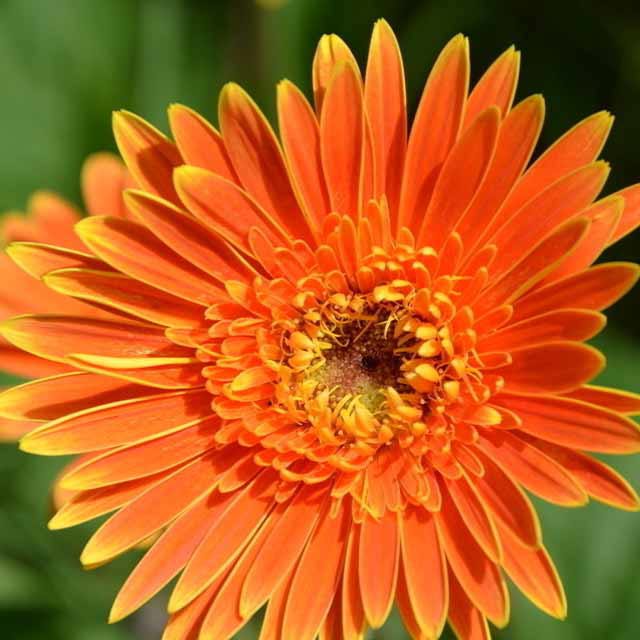
Gerbera jamesonii – Tiny Black Flies

Why does your Gerbera jamesonii have tiny black flies? Diagnose the cause and fix it with our step-by-step guide.

search Possible Causes

error

Fungus Gnats

The most common cause for tiny black flies around Gerbera daisies is fungus gnats, whose larvae thrive in the moist organic matter of the potting soil. They are attracted to the high humidity and frequent watering often required by Gerbera species.

Very Common
lightbulb
How to confirm: Place a yellow sticky trap near the base of the plant to see if small flying insects are captured.
build How to fix it
shopping_cart Recommended Products
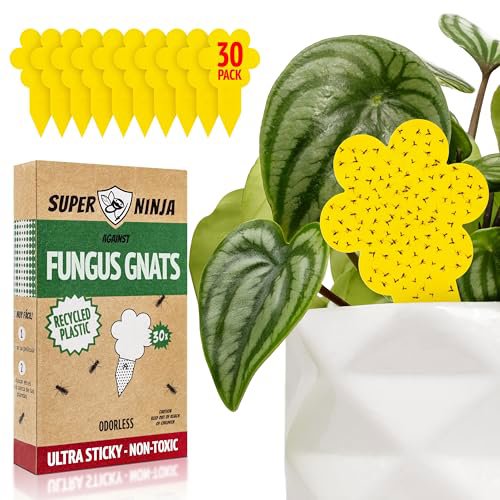
1 Deploy yellow sticky traps to capture the adult flying gnats and break the breeding cycle.
2 Allow the top inch of soil to dry out completely between waterings to eliminate the moist environment larvae need to survive.
3 Apply a biological control or organic insecticide to target the larvae living in the soil.
warning

Black Scab (Botrytis cinerea) secondary infestation

While Botrytis is a fungus, the presence of decaying flower heads or stem tissue on a Gerbera can attract various small flies for feeding. The moisture held in the crown of the Gerbera makes it a prime breeding ground.

Common
lightbulb
How to confirm: Inspect the base of the flower heads and the leaf crowns for any signs of brown, mushy rot.
build How to fix it
shopping_cart Recommended Products
1 Remove all decaying flower heads, dead stems, and rotting plant tissue immediately to eliminate the breeding site for the flies.
2 Apply an organic fungicide spray to treat the Botrytis fungus and prevent further spread of the infection.
3 Use yellow sticky traps to capture the adult flies and monitor the infestation levels.
warning

Drain Fruit Flies (Drosophila)

If the Gerbera is kept in a highly fertilized environment with fermenting organic matter in the soil, fruit flies may be attracted to the decaying nutrients. This is less common than fungus gnats but occurs in over-fertilized potting mixes.

Common
lightbulb
How to confirm: Check if the flies are hovering specifically around the moist soil surface or near any decomposing organic mulch.
build How to fix it
shopping_cart Recommended Products
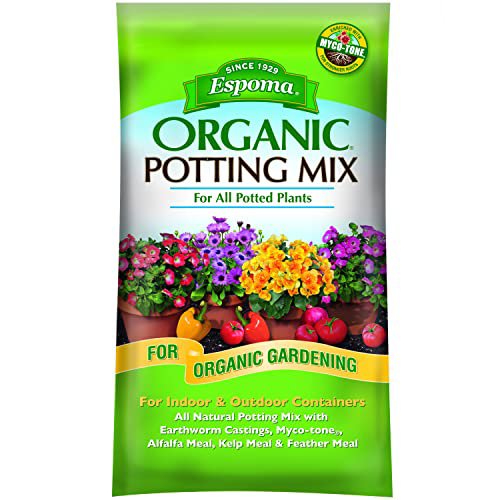
1 Reduce fertilization frequency and ensure no fermenting organic matter is left on the soil surface to remove the food source attracting the flies.
2 Deploy yellow sticky traps near the plant to capture the adult flies and disrupt their breeding cycle.
3 Scrape away the top layer of old, over-fertilized soil and replace it with fresh, clean medium to eliminate potential breeding sites.

Other Gerbera jamesonii problems

Your plant might also be experiencing one of these issues:

local_hospital All symptoms eco All plants with tiny black flies
favorite