Graptopetalum amethystinum Drooping Leaves
eco Drooping Leaves

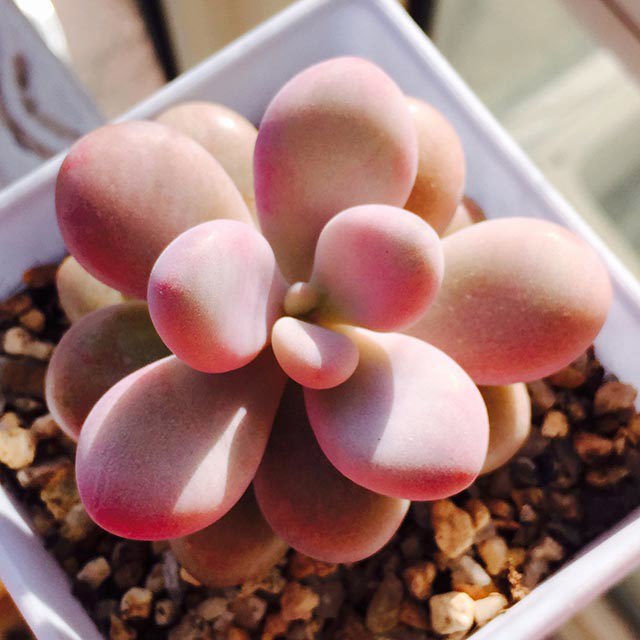
Graptopetalum amethystinum – Drooping Leaves

Why does your Graptopetalum amethystinum have drooping leaves? Diagnose the cause and fix it with our step-by-step guide.

pets Pet Friendly

search Possible Causes

error

Overwatering and Root Rot

Graptopetalum amethystinum is a succulent that requires well-draining soil; excessive moisture causes roots to decay, preventing the plant from absorbing water and leading to limp, drooping leaves.

Very Common
lightbulb
How to confirm: Gently pull on a leaf to see if it detaches easily and check if the base of the stem feels soft or mushy.
build How to fix it
shopping_cart Recommended Products
1 Immediately remove the plant from its current container and discard any mushy, black, or foul-smelling roots.
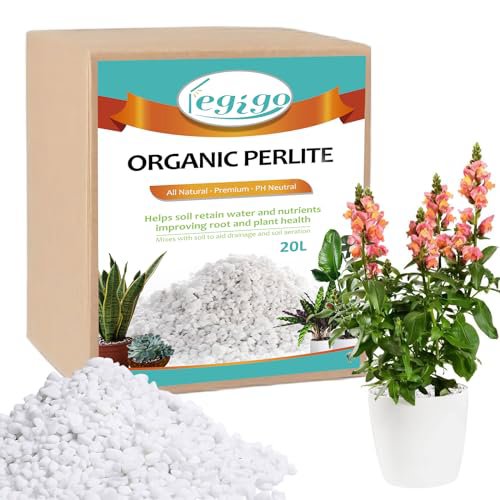
2 Repot the succulent in a fresh, highly porous medium using a mix of organic soil and perlite or clay pebbles to ensure rapid drainage.
3 Use a moisture meter to monitor the soil, ensuring you only water when the substrate is completely dry to prevent future rot.
error

Dehydration (Underwatering)

When soil remains dry for too long, the plant utilizes its stored moisture in the leaves, causing them to lose turgor pressure and appear wrinkled or droopy.

Very Common
lightbulb
How to confirm: Check if the soil is bone-dry several inches below the surface and if the leaves feel thin and shriveled.
build How to fix it
shopping_cart Recommended Products
1 Immediately soak the soil thoroughly until water runs out of the drainage holes to restore turgor pressure to the leaves.
2 Use a soil moisture meter to monitor the substrate and ensure you water only when the top inch of soil is dry to prevent future dehydration.
3 Ensure the plant is in a container with excellent drainage, such as a Root & Vessel cylinder pot, to prevent water from pooling or evaporating too quickly.
warning

Extreme Temperature Fluctuations

Sudden exposure to cold drafts or intense, direct heat without adequate humidity can shock the metabolic processes of this species, causing temporary loss of leaf rigidity.

Common
lightbulb
How to confirm: Observe if the drooping coincided with a recent change in room temperature or exposure to an air conditioning vent.
build How to fix it
shopping_cart Recommended Products
1 Move your plant to a stable environment away from cold drafts, air conditioning vents, or intense direct heat to prevent further metabolic shock.
2 Monitor the soil moisture levels closely using a moisture meter to ensure the plant is not also suffering from overwatering during this period of stress.
3 Apply a diluted dose of liquid seaweed fertilizer to help the plant recover from environmental stress and boost nutrient uptake.
info

Nutrient Deficiency

A lack of essential minerals like magnesium or potassium can impair the plant's ability to maintain cellular structure, though this is less common in well-established succulents.

Rare
lightbulb
How to confirm: Look for accompanying yellowing (chlorosis) between the leaf veins in addition to the drooping.
build How to fix it
shopping_cart Recommended Products
1 Check the soil moisture levels using a moisture meter to ensure the drooping is not actually caused by overwatering or underwatering.
2 Apply a diluted liquid fertilizer containing essential minerals to provide a gentle nutrient boost to the plant.
3 Ensure the plant is in a well-draining substrate, such as a mix containing perlite, to prevent mineral buildup and root rot.

Other Graptopetalum amethystinum problems

Your plant might also be experiencing one of these issues:

local_hospital All symptoms eco All plants with drooping leaves
favorite