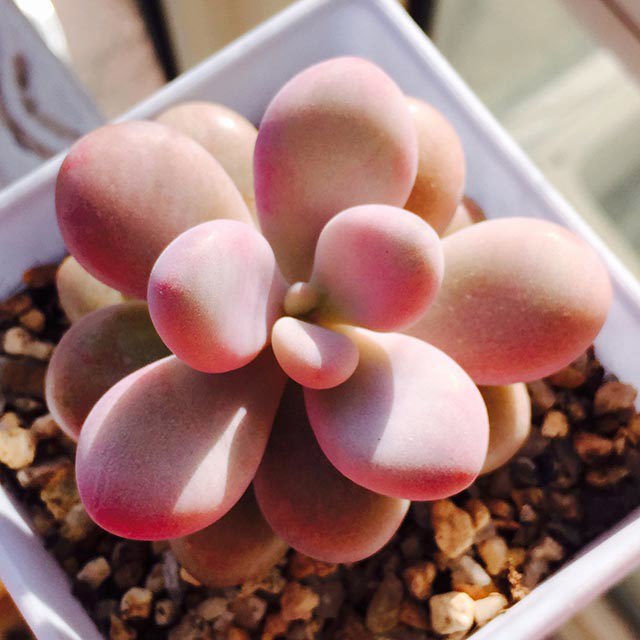
Graptopetalum amethystinum Sudden Leaf Drop
eco Sudden Leaf Drop

Graptopetalum amethystinum – Sudden Leaf Drop

Why does your Graptopetalum amethystinum have sudden leaf drop? Diagnose the cause and fix it with our step-by-step guide.

pets Pet Friendly

search Possible Causes

error

Overwatering and Root Rot

Graptopetalum amethystinum are succulents that store water in their leaves; excessive moisture leads to anaerobic conditions in the soil, causing roots to decay. As roots die, they can no longer support the plant, leading to sudden, soft leaf detachment.

Very Common
lightbulb
How to confirm: Gently squeeze a fallen leaf to see if it feels mushy or translucent rather than crisp.
build How to fix it
shopping_cart Recommended Products
1 Immediately remove the plant from the current soil and inspect the roots; trim away any mushy, black, or foul-smelling decayed roots using sterilized tools.
2 Repot the succulent in a well-draining, gritty substrate specifically designed for succulents to prevent future anaerobic conditions.
3 Use a moisture meter to monitor the soil, ensuring you only water when the medium is completely dry to the touch.
error

Temperature Shock or Frost Damage

This species is sensitive to freezing temperatures. A sudden drop in temperature can cause cellular collapse in the fleshy leaves, leading to rapid shedding and a darkened appearance of the remaining foliage.

Very Common
lightbulb
How to confirm: Check if the fallen leaves appear dark, water-soaked, or have black spots on them.
build How to fix it
shopping_cart Recommended Products
1 Immediately move the plant to a warm, frost-free indoor environment to stabilize the temperature and prevent further cellular collapse.
2 Inspect the remaining leaves for mushy or darkened areas; prune away any damaged or rotting foliage using sterilized shears to prevent secondary rot.
3 Avoid watering until the soil has completely dried out, as frost-damaged tissues are highly susceptible to root rot in moist conditions.
warning

Pest Infestation (Mealybugs)

Small, sap-sucking insects like mealybugs congregate at the base of leaves and stem junctions in Graptopetalum. Their feeding disrupts the plant's vascular system, causing leaves to lose turgor pressure and drop.

Common
lightbulb
How to confirm: Inspect the leaf axils and the base of the rosette for tiny white, cotton-like clusters.
build How to fix it
shopping_cart Recommended Products
1 Inspect the leaf bases and stem junctions for white, cottony clusters and treat the infestation immediately with an organic insecticide spray.
2 Gently wipe away visible pests with a cotton swab dipped in isopropyl alcohol to prevent further feeding and leaf drop.
3 Isolate the plant from other succulents to prevent the mealybugs from spreading to your healthy collection.
warning

Nutrient Deficiency or Soil Exhaustion

While slower acting, a lack of essential minerals in specialized succulent substrate can weaken the attachment of leaves. If the soil has not been amended for years, the plant may shed older leaves to preserve the core.

Common
lightbulb
How to confirm: Observe if the leaf drop is accompanied by yellowing (chlorosis) of the older, bottom-most leaves.
build How to fix it
shopping_cart Recommended Products
1 Check the soil moisture levels using a moisture meter to ensure the leaf drop isn't actually caused by overwatering or root rot.
2 Refresh the growing medium with a well-draining succulent mix, incorporating perlite to improve aeration and prevent soil compaction.
3 Apply a diluted organic liquid fertilizer to replenish essential minerals and support new growth.

Other Graptopetalum amethystinum problems

Your plant might also be experiencing one of these issues:

local_hospital All symptoms eco All plants with sudden leaf drop
favorite