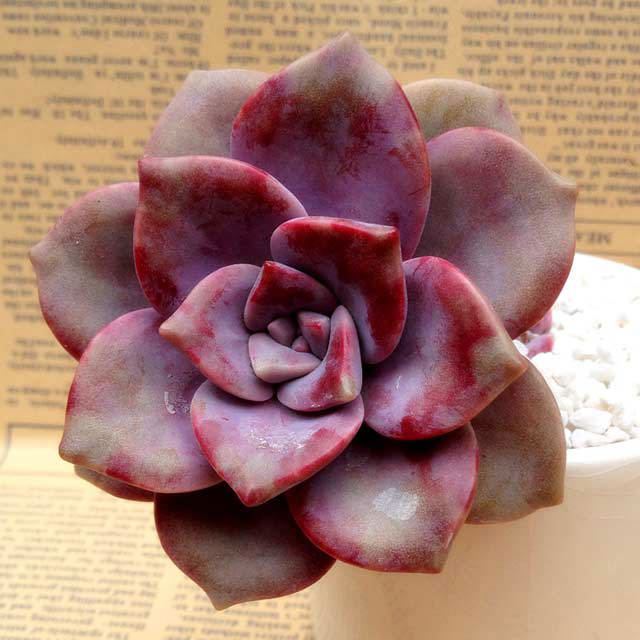
Graptopetalum Snow White Drooping Leaves
eco Drooping Leaves

Graptopetalum Snow White – Drooping Leaves

Why does your Graptopetalum Snow White have drooping leaves? Diagnose the cause and fix it with our step-by-step guide.

pets Pet Friendly

search Possible Causes

error

Overwatering and Root Rot

Excessive moisture in the substrate leads to anaerobic conditions, causing the roots of Graptopetalum to decay. When roots rot, they can no longer transport water to the leaves, resulting in a paradoxical drooping appearance despite wet soil.

Very Common
lightbulb
How to confirm: Gently tug on a leaf; if it pulls away with no resistance and the base feels mushy, root rot is likely present.
build How to fix it
shopping_cart Recommended Products
1 Immediately remove the plant from the pot and trim away any mushy, black, or foul-smelling decayed roots using sterilized tools.
2 Repot the plant in a fresh, well-draining substrate specifically designed for succulents, such as a mix containing perlite or pumice to prevent future waterlogging.
3 Use a moisture meter to monitor the soil and ensure you only water when the substrate is completely dry to avoid repeating the overwatering cycle.
error

Dehydration (Underwatering)

As a succulent, Graptopetalum stores water in its fleshy leaves. If the soil remains dry for too long, the plant exhausts its internal reservoirs, causing the turgor pressure to drop and leaves to become limp and wrinkled.

Very Common
lightbulb
How to confirm: Check if the soil is bone-dry several inches deep and if the leaves feel soft and shriveizable.
build How to fix it
shopping_cart Recommended Products
1 Immediately soak the soil thoroughly to rehydrate the plant's internal reservoirs, ensuring water reaches the root zone.
2 Use a moisture meter to monitor the soil and prevent future dehydration by watering only when the substrate is completely dry.
3 Ensure the plant is in a well-draining container, such as a Root & Vessel cylinder pot, to prevent water from pooling or evaporating too quickly.
warning

Temperature Stress (Extreme Heat)

While Graptopetalum is hardy, sudden exposure to temperatures exceeding 90°F (32°C) can cause the plant to wilt as a defense mechanism to reduce transpiration.

Common
lightbulb
How to confirm: Monitor if the drooping occurs specifically during peak afternoon sun or heatwave periods.
build How to fix it
shopping_cart Recommended Products
1 Move the plant to a shaded or cooler location immediately to protect it from direct heat and reduce transpiration stress.
2 Monitor the soil moisture levels closely to ensure the plant isn't drying out too quickly in the heat; use a moisture meter to prevent dehydration.
3 Provide a light misting or use a fine mist spray to increase local humidity around the leaves without overwatering the roots.
warning

Nutrient Deficiency

A lack of essential minerals like magnesium or nitrogen can weaken the cell walls of the succulent, making it unable to maintain leaf rigidity.

Common
lightbulb
How to confirm: Observe if the drooping is accompanied by yellowing (chlorosis) of the older leaves.
build How to fix it
shopping_cart Recommended Products
1 Apply a balanced liquid fertilizer to provide essential nitrogen and minerals to strengthen cell walls.
2 Supplement with a calcium and magnesium fertilizer to specifically address potential mineral deficiencies that cause loss of leaf rigidity.
3 Use a soil moisture meter to ensure the drooping is not actually caused by overwatering, which is a common cause of leaf loss in succulents.

Other Graptopetalum Snow White problems

Your plant might also be experiencing one of these issues:

local_hospital All symptoms eco All plants with drooping leaves
favorite