Graptopetalum Snow White Sudden Leaf Drop
eco Sudden Leaf Drop

Graptopetalum Snow White – Sudden Leaf Drop

Why does your Graptopetalum Snow White have sudden leaf drop? Diagnose the cause and fix it with our step-by-step guide.

pets Pet Friendly

search Possible Causes

error

Overwatering and Root Rot

Graptopetalum are succulents that require well-draining soil; excessive moisture causes the roots to decay, leading to a systemic failure where the plant can no longer support its foliage. This often results in leaves detaching easily from the stem.

Very Common
lightbulb
How to confirm: Gently lift the plant from its pot to check if the roots are dark, mushy, or smelling of decay.
build How to fix it
shopping_cart Recommended Products
1 Immediately remove the plant from its current container and trim away any mushy, black, or foul-smelling roots caused by decay.
2 Repot the succulent in a fresh, highly porous medium using a mix of organic soil and perlite or clay pebbles to ensure rapid drainage.
3 Use a moisture meter to monitor the soil, ensuring you only water when the substrate is completely dry to prevent future rot.
error

Temperature Shock

Sudden drops in temperature or exposure to frost can cause cellular damage in the fleshy leaves of 'Snow White' Graptopetalum. The plant sheds leaves as a stress response to rapid environmental fluctuations.

Very Common
lightbulb
How to confirm: Check if the fallen leaves appear translucent, water-soaked, or darkened by recent cold snaps.
build How to fix it
shopping_cart Recommended Products
1 Immediately move the plant to a stable, frost-free environment with consistent temperatures to prevent further cellular damage.
2 Monitor the soil moisture closely using a moisture meter to ensure the plant is not overwatered while in a stressed state.
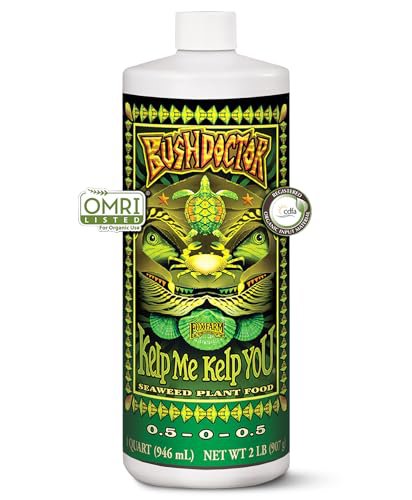
3 Apply a diluted liquid seaweed fertilizer to help the plant recover from environmental stress and boost nutrient uptake.
warning

Pest Infestation (Mealybugs)

Mealybugs hide in the crevices of the leaf bases and suck the sap from the stem, weakening the attachment point of the leaves. Severe infestations can cause large sections of foliage to drop prematurely.

Common
lightbulb
How to confirm: Inspect the leaf axils and stem junctions for small, white, cottony masses.
build How to fix it
shopping_cart Recommended Products
1 Isolate the plant immediately to prevent the spread of mealybugs to other houseplants and treat the infestation with an organic insecticide spray.
2 Use a cotton swab dipped in isopropyl alcohol to manually remove visible mealybug clusters from the crevices of the leaf bases.
3 Check the soil moisture levels to ensure the plant is not also suffering from overwatering, which can exacerbate leaf drop.
warning

Nutrient Deficiency or Depletion

If the plant has been in the same substrate for a long period without fertilization, it may lack the essential minerals required to maintain leaf adhesion. This is common in succulents grown in exhausted, fine-grained potting soils.

Common
lightbulb
How to confirm: Check if the remaining leaves show signs of yellowing or pale coloration alongside the drop.
build How to fix it
shopping_cart Recommended Products
1 Check the soil moisture levels using a moisture meter to ensure the leaf drop isn't actually caused by overwatering or root rot.
2 Amend the existing substrate with a diluted organic fertilizer to replenish essential minerals like nitrogen and potassium.
3 Repot the succulent into a fresh, well-draining medium enriched with perlite to improve aeration and nutrient availability.

Other Graptopetalum Snow White problems

Your plant might also be experiencing one of these issues:

local_hospital All symptoms eco All plants with sudden leaf drop
favorite