Haworthia magnifica splendens Sticky Leaves
eco Sticky Leaves

Haworthia magnifica splendens – Sticky Leaves

Why does your Haworthia magnifica splendens have sticky leaves? Diagnose the cause and fix it with our step-by-step guide.

search Possible Causes

error

Scale Insects

Scale insects are sap-sucking pests that excrete honeydew, a sticky substance, as they feed on the Haworthia's moisture reserves. This residue often attracts sooty mold which can darken the plant's leaves.

Very Common
lightbulb
How to confirm: Inspect the base of the leaves and the crevices between the windowed surfaces for small, brown, or white bumps.
build How to fix it
shopping_cart Recommended Products
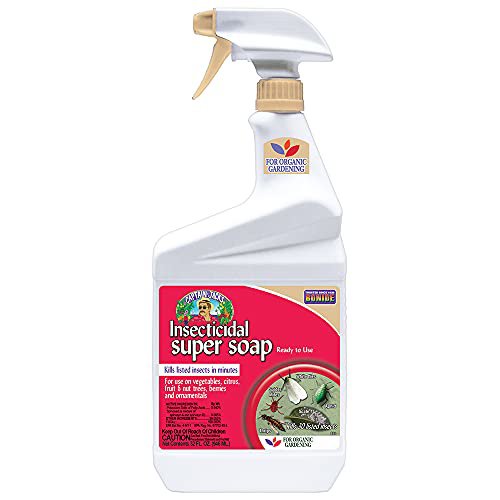
1 Treat the plant with an organic insecticide to eliminate the scale insects and stop the production of honeydew.
2 Gently wipe the sticky residue and any visible scale insects off the leaves using a soft cloth or cotton swab dipped in rubbing alcohol.
3 Inspect the undersides of leaves and crevices for any remaining pests to prevent a secondary infestation.
error

Mealybugs

Mealybugs produce honeydew as they consume plant fluids, creating a sticky film on the leaf surfaces. In Haworthia, they often hide deep within the leaf axils where the moisture is higher.

Very Common
lightbulb
How to confirm: Look for tiny, white, cotton-like clusters nestled in the tight junctions of the succulent leaves.
build How to fix it
shopping_cart Recommended Products
1 Isolate the plant immediately to prevent the spread of mealybugs to other houseplants and treat the visible insects with an organic insecticide spray.
2 Use a cotton swab dipped in isopropyl alcohol to manually remove any remaining white, cottony mealybug clusters from the leaf axils.
3 Wipe the sticky honeydew residue off the leaves using a soft cloth and water to prevent fungal growth and allow the plant to breathe.
warning

Aphid Infestation

Aphids are soft-bodied insects that pierce the plant tissue to suck sap, leaving behind a sugary honeydew residue. This can cause the characteristic stickiness on the upper surfaces of the Haworthia leaves.

Common
lightbulb
How to confirm: Check the tender new growth at the center of the rosette for small, pear-shaped insects.
build How to fix it
shopping_cart Recommended Products
1 Isolate the plant immediately to prevent aphids from spreading to other houseplants and spray the leaves thoroughly with an organic insecticide.
2 Gently wipe the sticky honeydew residue off the leaves using a soft cloth or cotton swab dipped in water to prevent fungal growth.
3 Check the crevices of the Haworthia for any remaining pests and continue treating the plant as needed to ensure the infestation is fully eradicated.
warning

Excessive Nectar/Sap Leakage

If the plant has suffered minor mechanical damage or cell rupture due to extreme temperature shifts, internal fluids may leak and dry into a sticky residue. This is less common but can occur during physical handling.

Common
lightbulb
How to confirm: Check if the stickiness is localized specifically to areas where the leaf tissue appears bruised or translucent.
build How to fix it
1 Gently wipe the sticky residue from the leaves using a soft cloth or cotton swab dampened with lukewarm water to prevent fungal growth.
2 Minimize physical handling and avoid extreme temperature fluctuations to prevent further cell rupture and sap leakage.
3 Monitor the plant's environment for stability, ensuring it is kept in a consistent temperature zone to reduce physiological stress.

Other Haworthia magnifica splendens problems

Your plant might also be experiencing one of these issues:

local_hospital All symptoms eco All plants with sticky leaves
favorite