Hibiscus rosa sinensis Cheerleader Clear Pink Leggy Stems
eco Leggy Stems

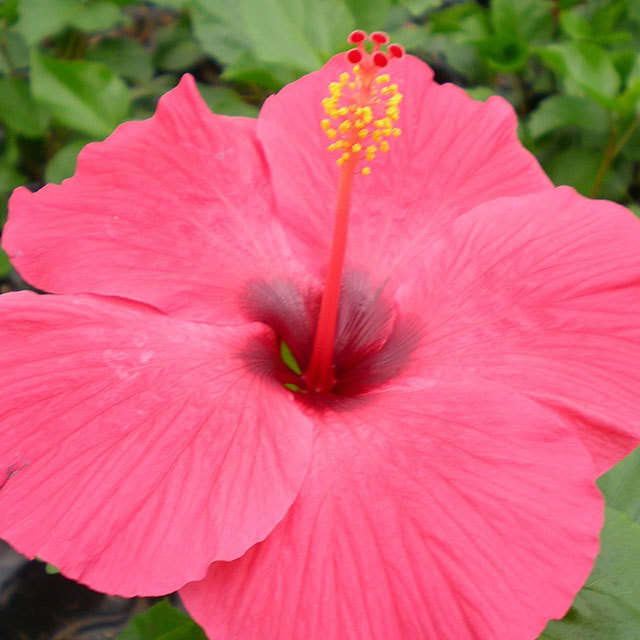
Hibiscus rosa sinensis Cheerleader Clear Pink – Leggy Stems

Why does your Hibiscus rosa sinensis Cheerleader Clear Pink have leggy stems? Diagnose the cause and fix it with our step-by-step guide.

search Possible Causes

error

Insufficient Light Intensity

Hibiscus 'Cheerleader' varieties are sun-loving plants that require at least 6-8 hours of direct sunlight; low light causes etiolation, where stems stretch excessively to reach a light source.

Very Common
lightbulb
How to confirm: Observe if the internodes (the space between leaves) are noticeably longer than they were during peak growing season.
build How to fix it
shopping_cart Recommended Products
1 Move your Hibiscus to a location that receives at least 6-8 hours of direct sunlight daily to stop stems from stretching.
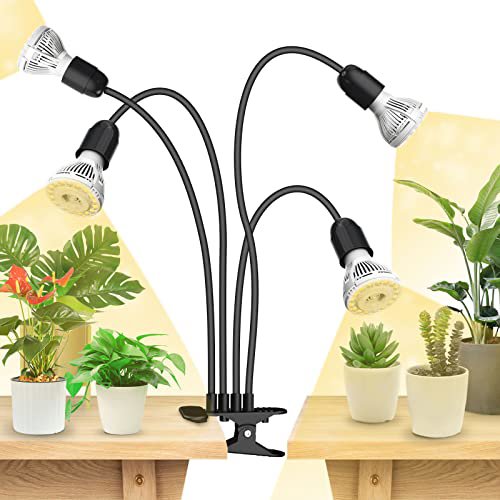
2 Supplement with a full-spectrum grow light to provide the necessary light intensity if natural sunlight is insufficient.
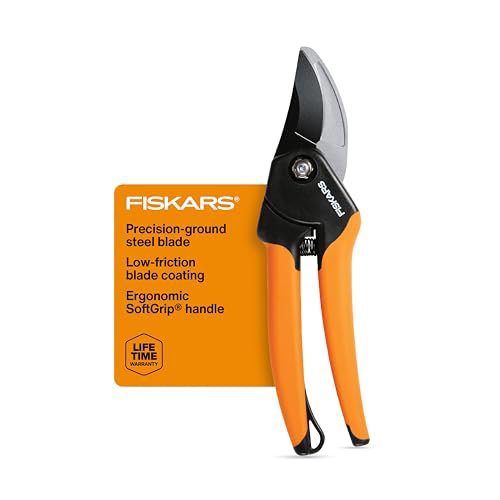
3 Prune the leggy, stretched stems using sharp bypass pruners to encourage bushier, more compact growth.
warning

Excessive Nitrogen Fertilization

High levels of nitrogen promote rapid, succulent vegetative growth which can outpace the plant's structural development, leading to weak, spindly stems.

Common
lightbulb
How to confirm: Review your recent fertilizer usage and check if the new growth is very dark green but structurally soft.
build How to fix it
shopping_cart Recommended Products
1 Stop all nitrogen-rich fertilization immediately to allow the plant to focus on structural strength rather than rapid foliage growth.
2 Prune the spindly, leggy stems using sharp, clean shears to encourage bushier growth and more robust stem development.
3 Flush the soil with plain, room-temperature water to help leach excess nitrogen salts away from the root zone.
warning

Lack of Pruning/Deadheading

Without regular pinching of terminal buds or removing spent blooms, the plant may prioritize vertical elongation over lateral branching.

Common
lightbulb
How to confirm: Check if the plant has many active growing tips at the ends of long branches without any side shoots.
build How to fix it
shopping_cart Recommended Products
1 Use sharp pruning shears to prune back the leggy stems, cutting just above a node to encourage new lateral growth and bushier structure.
2 Regularly remove spent blooms (deadheading) to prevent the plant from wasting energy on seed production and redirect it toward branch development.
3 Ensure the plant receives adequate sunlight to prevent further etiolation (stretching) of the stems.
warning

Overwatering and Root Stress

Consistent moisture that prevents root respiration can weaken the vascular system, leading to structurally compromised, 'floppy' or leggy growth.

Common
lightbulb
How to confirm: Stick your finger two inches into the soil to see if it remains soggy even days after the last watering.
build How to fix it
shopping_cart Recommended Products
1 Check the soil moisture levels immediately using a moisture meter to ensure the root zone is not staying saturated.
2 Repot the hibiscus into a well-draining medium, incorporating perlite to improve aeration and prevent future root suffocation.
3 Prune away any excessively weak or mushy stems to encourage new, sturdier growth from the base.

Other Hibiscus rosa sinensis Cheerleader Clear Pink problems

Your plant might also be experiencing one of these issues:

local_hospital All symptoms eco All plants with leggy stems
favorite