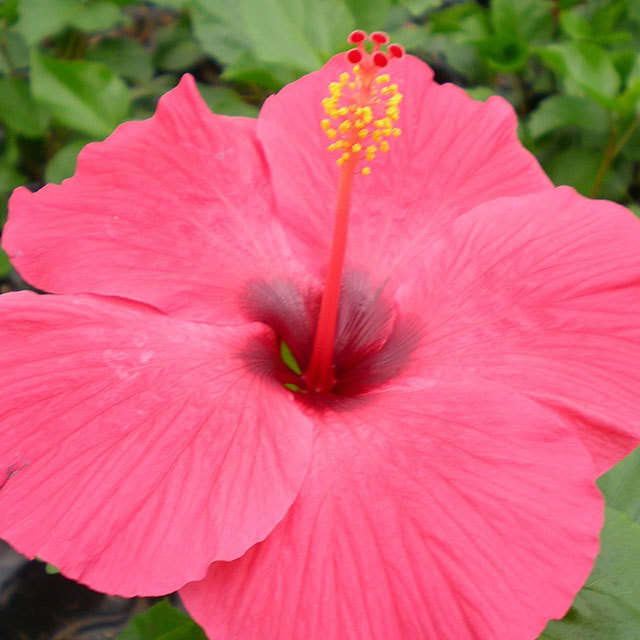
Hibiscus rosa sinensis Cheerleader Clear Pink Sudden Leaf Drop
eco Sudden Leaf Drop

Hibiscus rosa sinensis Cheerleader Clear Pink – Sudden Leaf Drop

Why does your Hibiscus rosa sinensis Cheerleader Clear Pink have sudden leaf drop? Diagnose the cause and fix it with our step-by-step guide.

search Possible Causes

error

Environmental Shock (Temperature or Light Fluctuations)

Hibiscus 'Cheerleader' cultivars are sensitive to sudden changes in environment. A rapid drop in nighttime temperatures or a move from high light to deep shade can trigger an immediate stress response resulting in leaf abscission.

Very Common
lightbulb
How to confirm: Check if the plant was recently moved indoors, outdoors, or if there has been a significant cold snap in your area.
build How to fix it
shopping_cart Recommended Products
1 Stabilize the plant's environment by placing it in a location with consistent temperatures and avoiding drafts from air conditioners or heaters.
2 Ensure the plant receives bright, indirect sunlight and avoid sudden moves between high light and deep shade to prevent further stress.
3 Monitor soil moisture levels closely during this recovery period to ensure the plant is not overwatered while it lacks leaves for transpiration.
error

Watering Stress (Inconsistency)

This cultivar requires consistent moisture to maintain its heavy blooming habit. Allowing the root ball to dry out completely followed by heavy watering causes physiological stress that leads to sudden leaf drop.

Very Common
lightbulb
How to confirm: Stick your finger two inches into the soil to see if it has gone bone-dry between waterings.
build How to fix it
shopping_cart Recommended Products
1 Monitor soil moisture levels closely using an analog meter to ensure the soil remains consistently moist but not waterlogged.
2 Establish a regular watering schedule to prevent the root ball from drying out completely between waterings.
3 If the plant is in a container, ensure it has proper drainage and use a saucer to catch excess water, but avoid letting the pot sit in standing water.
warning

Root Rot (Overwatering/Poor Drainage)

Excessive moisture in the substrate leads to anaerobic conditions, damaging the fine feeder roots of the Hibiscus. As roots fail, they can no longer support the foliage, causing leaves to wilt and drop.

Common
lightbulb
How to confirm: Inspect the undersides of the fallen leaves for dark spots and check if the potting medium feels soggy or smells sour.
build How to fix it
shopping_cart Recommended Products
1 Immediately inspect the roots for mushy, dark brown, or foul-smelling decay and prune away any damaged sections using sterilized tools.
2 Repot the plant in a fresh, well-draining medium and ensure the container has adequate drainage holes to prevent water pooling.
3 Use a soil moisture meter to monitor the substrate, ensuring you only water when the top inch of soil feels dry to avoid future overwatering.
warning

Pest Infestation (Spider Mites)

Spider mites thrive in hot, dry conditions and feed on the sap of Hibiscus leaves. Heavy feeding by these microscopic pests causes the leaves to lose chlorophyll and drop prematurely.

Common
lightbulb
How to confirm: Hold a white piece of paper under a leaf and tap it to see if tiny moving specks or fine webbing appear.
build How to fix it
shopping_cart Recommended Products
1 Apply an organic insecticide to eliminate the spider mite population and protect healthy foliage.
2 Increase local humidity and ensure the soil remains consistently moist to create an environment less favorable to mites.
3 Monitor soil moisture levels regularly to prevent the dry conditions that trigger mite outbreaks.

Other Hibiscus rosa sinensis Cheerleader Clear Pink problems

Your plant might also be experiencing one of these issues:

local_hospital All symptoms eco All plants with sudden leaf drop
favorite