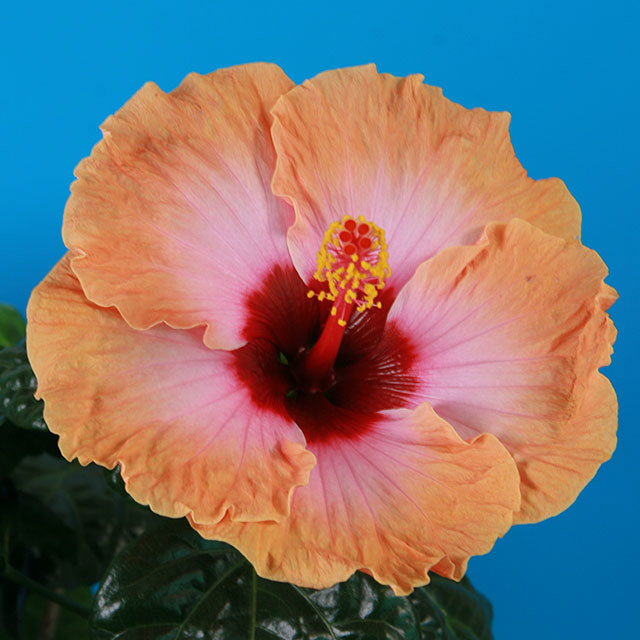
Hibiscus rosa-sinensis Cheerleader Orange Brown Leaf Tips
eco Brown Leaf Tips

Hibiscus rosa-sinensis Cheerleader Orange – Brown Leaf Tips

Why does your Hibiscus rosa-sinensis Cheerleader Orange have brown leaf tips? Diagnose the cause and fix it with our step-by-step guide.

pets Pet Friendly

search Possible Causes

error

Salt Accumulation (Fertilizer Burn)

Accumulated mineral salts from synthetic fertilizers can build up in the potting medium, drawing moisture out of the leaf tissues via osmosis. In 'Cheerleader Orange' cultivars, this typically manifests as localized necrosis at the very tips of the foliage.

Very Common
lightbulb
How to confirm: Check if a white, crusty residue is visible on the soil surface or the rim of the pot.
build How to fix it
shopping_cart Recommended Products
1 Flush the potting medium thoroughly with large amounts of fresh, distilled, or rainwater to leach out accumulated mineral salts.
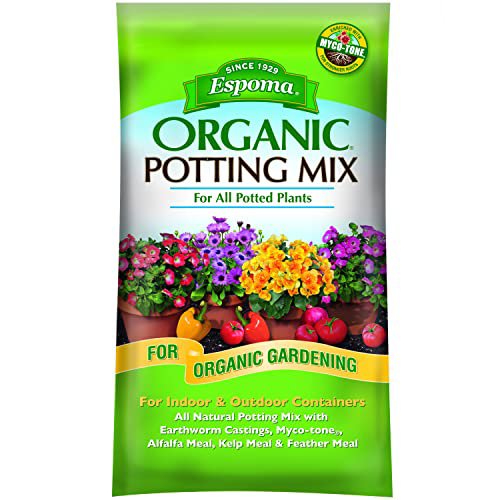
2 Repot the plant in fresh, high-quality potting soil to remove the salt-saturated medium and provide a clean environment for root recovery.
3 Prune away the necrotic brown leaf tips using sterilized shears to prevent further aesthetic decline and focus plant energy on healthy growth.
error

Underwatering and Low Humidity

Hibiscus are tropical plants that require consistent moisture; when the substrate dries out completely, the plant cannot transport water to the furthest extremities. This results in desiccation of the leaf margins and tips.

Very Common
lightbulb
How to confirm: Touch the soil 2 inches deep to see if it feels bone-dry or significantly harder than usual.
build How to fix it
shopping_cart Recommended Products
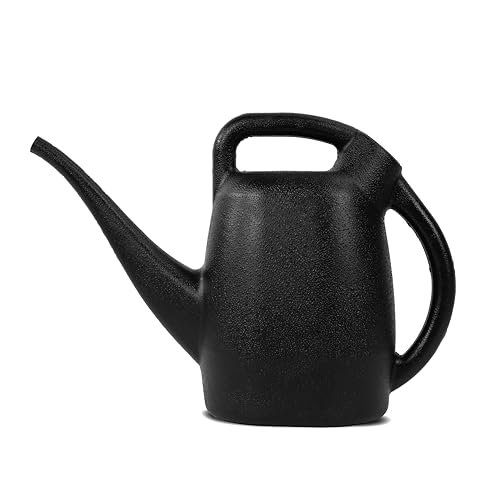
1 Check the soil moisture level immediately using a moisture meter to ensure the substrate is not bone-dry.
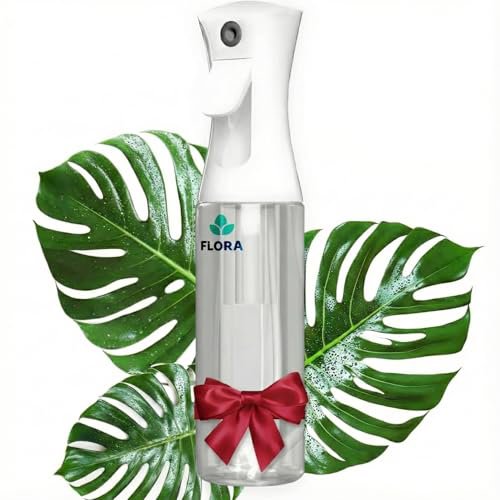
2 Increase local humidity around the plant by using a pebble tray or a fine misting spray bottle to prevent further tip desiccation.
3 Establish a consistent watering schedule to ensure the soil remains moist but not waterlogged, preventing the plant from reaching a drought state.
warning

Water Quality Issues (Chlorine/Fluoride Sensitivity)

Hibiscus can be sensitive to high concentrations of fluoride or chlorine found in municipal tap water. These elements accumulate in the leaf tips, causing them to turn brown and brittle over time.

Common
lightbulb
How to confirm: Observe if the browning occurs specifically on new growth after recent watering cycles.
build How to fix it
shopping_cart Recommended Products
1 Switch to distilled, rainwater, or filtered water to prevent the accumulation of chlorine and fluoride in the leaf tissues.
2 Use a moisture meter to ensure you are not overwatering, as waterlogged soil can exacerbate tip burn and root stress.
3 Prune away the brown, brittle leaf tips with clean shears to improve the plant's aesthetic and prevent further decay.
warning

Root Rot (Early Stage)

While often associated with yellowing, early root decay caused by poor drainage can impair the plant's ability to push water to its leaf extremities. This-interrupted hydraulic flow leads to tip necrosis.

Common
lightbulb
How to confirm: Gently lift the plant from its pot to inspect if the roots are firm and white or dark and slimy.
build How to fix it
shopping_cart Recommended Products
1 Immediately check the soil moisture levels using a meter to confirm if the root zone is staying too saturated.
2 Repot the hibiscus into a container with superior drainage and use a well-aerated medium like a mix containing perlite to prevent further decay.
3 Apply a microbial-based liquid fertilizer to help stimulate root zone recovery and strengthen the plant's resilience against decay.

Other Hibiscus rosa-sinensis Cheerleader Orange problems

Your plant might also be experiencing one of these issues:

local_hospital All symptoms eco All plants with brown leaf tips
favorite