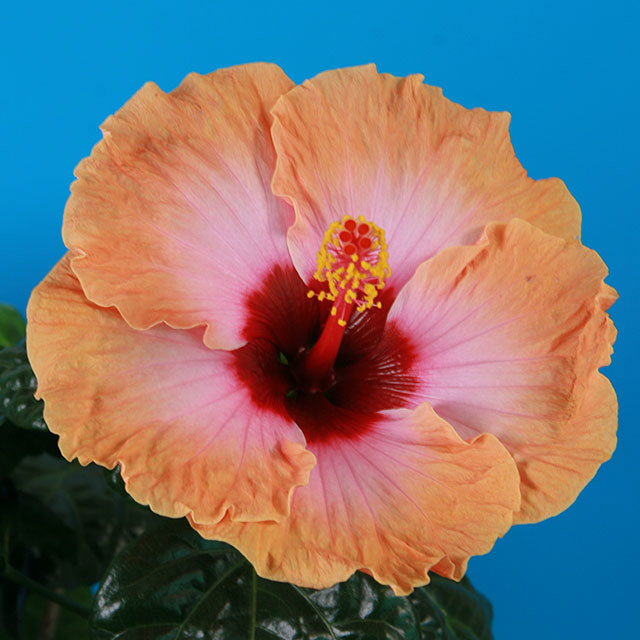
Hibiscus rosa-sinensis Cheerleader Orange Sudden Leaf Drop
eco Sudden Leaf Drop

Hibiscus rosa-sinensis Cheerleader Orange – Sudden Leaf Drop

Why does your Hibiscus rosa-sinensis Cheerleader Orange have sudden leaf drop? Diagnose the cause and fix it with our step-by-step guide.

pets Pet Friendly

search Possible Causes

error

Temperature Shock

Hibiscus rosa-sinensis is highly sensitive to sudden shifts in temperature, especially cold drafts or a sudden drop in nighttime temperatures. Rapid changes cause the plant to enter a stress response, shedding leaves to conserve energy.

Very Common
lightbulb
How to confirm: Check if there has been a recent move to a different location or a significant drop in outdoor night temperatures.
build How to fix it
shopping_cart Recommended Products
1 Immediately move the plant to a stable, draft-free environment with consistent temperatures to prevent further stress.
2 Avoid fertilizing the plant until new growth appears and it has stabilized in its new location.
3 Monitor soil moisture closely using a moisture meter to ensure the plant is not overwatered while in its dormant-like state.
error

Water Stress (Underwatering or Overwatering)

Inconsistent moisture levels lead to physiological stress; underwatering causes dehydration, while overwatering leads to root hypoxia and rot. Both conditions prevent the plant from maintaining leaf turgor, resulting in premature abscission.

Very Common
lightbulb
How to confirm: Stick your finger two inches into the soil to see if it is bone dry or excessively saturated and muddy.
build How to fix it
shopping_cart Recommended Products
1 Check the soil moisture level at the root zone using a moisture meter to determine if the plant is suffering from dehydration or root rot.
2 If the soil is bone dry, thoroughly water the plant; if the soil is saturated, allow it to dry out completely and ensure the pot has proper drainage.
3 If overwatering is confirmed, repot the hibiscus in a well-draining medium by mixing in perlite to improve aeration and prevent root hypoxia.
warning

Root Rot (Phytophthora or Pythium)

Excessive moisture in the potting medium can lead to fungal pathogens attacking the root system. As roots decay, they lose the ability to transport water to the foliage, causing leaves to yellow and drop suddenly.

Common
lightbulb
How to confirm: Gently lift the plant from its pot to inspect if the roots are dark, slimy, or have a foul odor.
build How to fix it
shopping_cart Recommended Products
1 Immediately inspect the roots for mushy, dark, or foul-smelling decay and prune away any dead sections using sterilized tools.
2 Repot the plant in a fresh, well-draining medium and incorporate perlite to improve aeration and prevent future waterlogging.
3 Transition to a pot with superior drainage and use a moisture meter to ensure the soil is allowed to dry out between waterings.
warning

Spider Mite Infestation

Two-spotted spider mites feed on the undersides of Hibiscus leaves, injecting saliva that disrupts photosynthesis. Severe infestations cause leaves to discolor and drop rapidly as the plant's vascular system is compromised.

Common
lightbulb
How to confirm: Inspect the undersides of the leaves for tiny moving dots or fine, silken webbing.
build How to fix it
shopping_cart Recommended Products
1 Immediately treat the plant with an organic insecticide/miticide to eliminate the spider mite population and prevent further leaf loss.
2 Inspect the undersides of all leaves and wipe them down with a damp cloth to physically remove mites and webbing.
3 Isolate the affected Hibiscus from other houseplants to prevent the mites from spreading to healthy plants.

Other Hibiscus rosa-sinensis Cheerleader Orange problems

Your plant might also be experiencing one of these issues:

local_hospital All symptoms eco All plants with sudden leaf drop
favorite