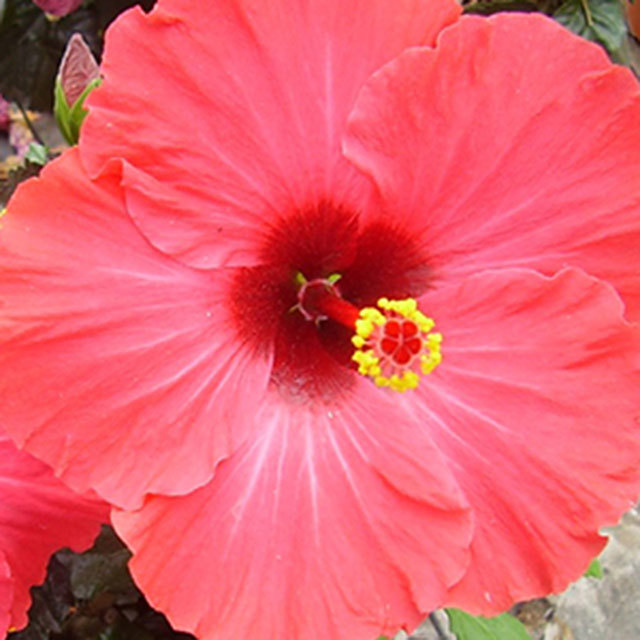
Hibiscus rosa sinensis Cheerleader Pink Red Eye Brown Leaf Tips
eco Brown Leaf Tips

Hibiscus rosa sinensis Cheerleader Pink Red Eye – Brown Leaf Tips

Why does your Hibiscus rosa sinensis Cheerleader Pink Red Eye have brown leaf tips? Diagnose the cause and fix it with our step-by-step guide.

search Possible Causes

error

Salt or Fertilizer Buildup

Accumulated salts from tap water or excessive synthetic fertilizers can dehydrate the leaf margins, leading to characteristic brown, crispy tips in Hibiscus. This is particularly common if the plant hasn't been flushed with fresh water recently.

Very Common
lightbulb
How to confirm: Check for a white, crusty residue on the soil surface or the edges of the pot.
build How to fix it
shopping_cart Recommended Products
1 Flush the soil thoroughly by running large amounts of fresh, distilled, or rainwater through the pot until it drains freely from the bottom to wash away accumulated salts.
2 Prune away the most severely damaged, crispy brown leaf tips using clean, sharp shears to prevent further aesthetic decline.
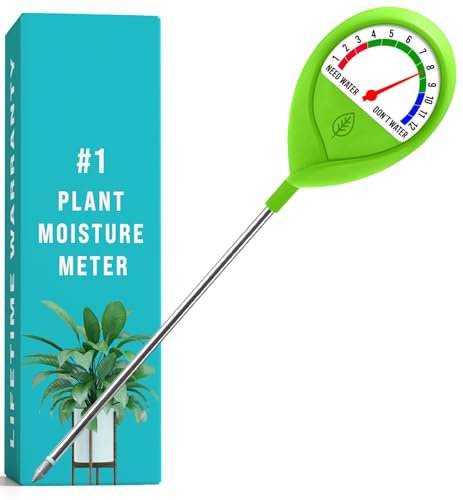
3 Switch to using a diluted, organic fertilizer and monitor soil moisture levels with a meter to ensure you aren't over-fertilizing.
error

Underwatering and Low Humidity

Hibiscus rosa sinensis requires consistent moisture; when the soil dries out too deeply, the plant cannot transport water to the furthest leaf extremities. Additionally, low ambient humidity can accelerate transpiration rates at the tips.

Very Common
lightbulb
How to confirm: Feel the soil depth of 2 inches to see if it is bone dry and check if the air in your room feels very dry.
build How to fix it
shopping_cart Recommended Products
1 Check the soil moisture level immediately using a moisture meter to determine if the root zone has reached a critical dry point.
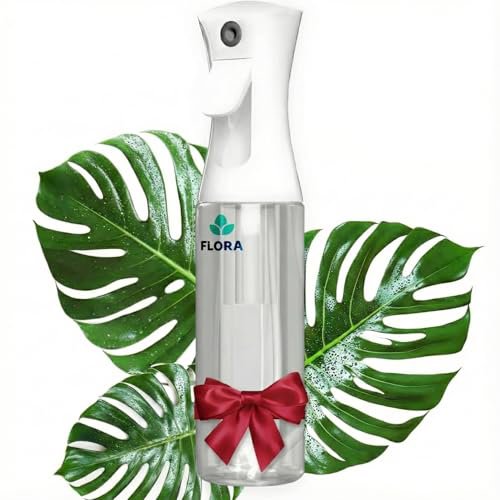
2 Increase ambient humidity around the plant by using a fine mist spray bottle or placing a pebble tray beneath the pot.
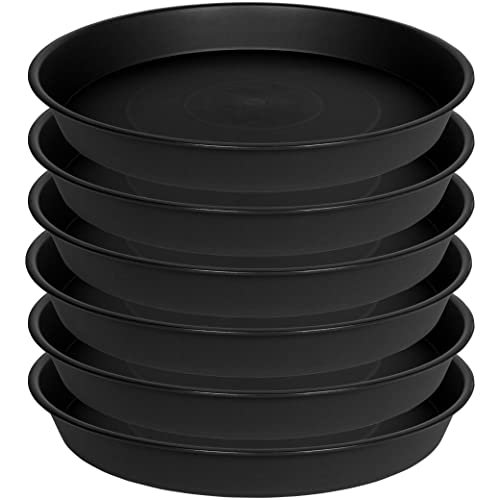
3 Ensure the plant is watered thoroughly until water drains from the bottom, and consider using a saucer to catch excess moisture.
warning

Root Rot (Overwatering)

While brown tips are often associated with dryness, waterlogged soil prevents oxygen from reaching the roots, causing them to decay. Once roots die, they can no longer supply water to the leaves, resulting in 'false drought' symptoms like crispy tips.

Common
lightbulb
How to confirm: Gently lift the plant from its pot to check if the roots are dark, slimy, or emitting a foul odor.
build How to fix it
shopping_cart Recommended Products
1 Immediately inspect the roots for mushy, dark, or foul-smelling decay and trim away any damaged sections using sterilized tools.
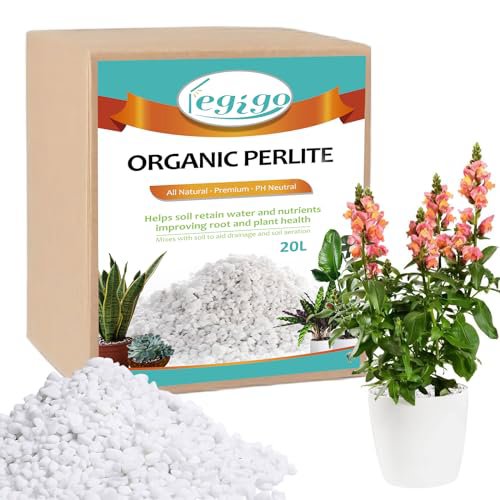
2 Repot the plant in a fresh, well-draining medium and ensure the container has adequate drainage to prevent future waterlogging.
3 Use a moisture meter to monitor the soil regularly, ensuring you only water when the top inch of soil is dry to avoid further overwatering.
warning

Temperature Fluctuations/Cold Stress

Hibiscus are tropical plants that are highly sensitive to sudden drops in temperature or cold drafts. Exposure to temperatures below 50°F (10°C) can cause cellular damage at the leaf edges.

Common
lightbulb
How to confirm: Observe if the plant is located near a drafty window, air conditioning vent, or an uninsulated exterior wall.
build How to fix it
shopping_cart Recommended Products
1 Move your Hibiscus to a stable, warm environment away from cold drafts, windows, or air conditioning vents to prevent further temperature shock.
2 Monitor soil moisture levels closely using a moisture meter to ensure the plant is not experiencing secondary stress from overwatering during this recovery period.
3 Apply a liquid seaweed fertilizer to help the plant recover from environmental stress and boost cellular resilience.

Other Hibiscus rosa sinensis Cheerleader Pink Red Eye problems

Your plant might also be experiencing one of these issues:

local_hospital All symptoms eco All plants with brown leaf tips
favorite