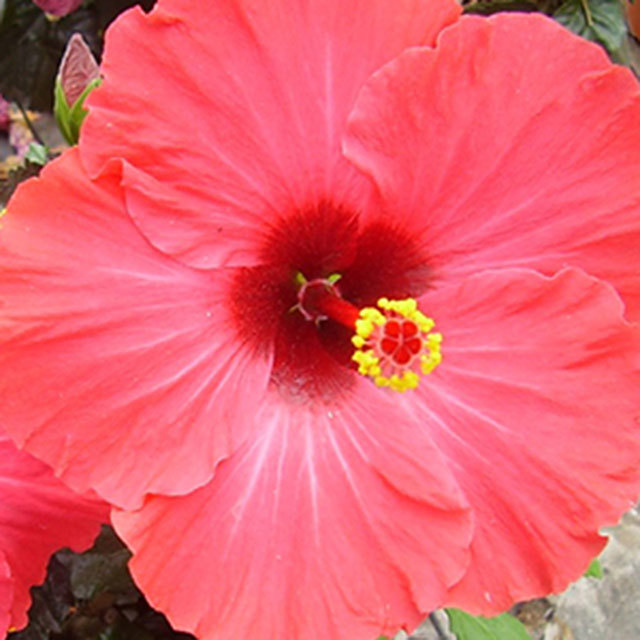
Hibiscus rosa sinensis Cheerleader Pink Red Eye Leggy Stems
eco Leggy Stems

Hibiscus rosa sinensis Cheerleader Pink Red Eye – Leggy Stems

Why does your Hibiscus rosa sinensis Cheerleader Pink Red Eye have leggy stems? Diagnose the cause and fix it with our step-by-step guide.

search Possible Causes

error

Insufficient Light Exposure

Hibiscus rosa sinensis requires high light intensity; insufficient sunlight causes the plant to undergo etiolation, where stems stretch rapidly to reach a light source.

Very Common
lightbulb
How to confirm: Observe if the internodes (distance between leaves) are significantly longer than they were during peak growing season.
build How to fix it
shopping_cart Recommended Products
1 Move your Hibiscus to a location that receives at least 6 to 8 hours of direct sunlight daily to stop stems from stretching.
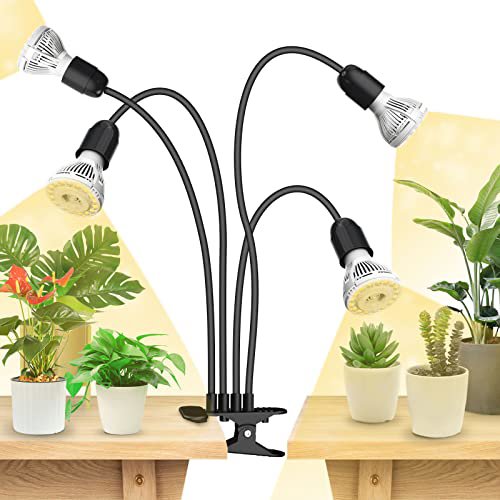
2 Supplement with a high-intensity grow light to provide the necessary full-spectrum light for healthy, compact growth.
3 Prune away the excessively long, weak stems to encourage the plant to develop bushier, more robust new growth.
warning

Excessive Nitrogen Fertilization

An overabundance of nitrogen-rich fertilizer can promote rapid, succulent vegetative growth that lacks the structural lignin needed for stem strength, resulting in weak, leggy stems.

Common
lightbulb
How to confirm: Check if recent fertilization used a high first-number (N) NPK ratio and if new leaves are unusually large and pale green.
build How to fix it
shopping_cart Recommended Products
1 Flush the soil with plenty of fresh, plain water to leach out excess nitrogen salts from the root zone.
2 Transition to a balanced or lower-nitrogen fertilizer to encourage structural strength and lignin development.
3 Increase light exposure using a full-spectrum grow light to provide the energy needed for sturdier, denser growth.
warning

Lack of Pruning/Deadheading

Without regular pinching of terminal buds or removal of spent blooms, the plant continues to grow vertically without branching, leading to a sparse, elongated structure.

Common
lightbulb
How to confirm: Examine if there are many long, unbranched stems reaching upward without any lateral side shoots.
build How to fix it
shopping_cart Recommended Products
1 Use sharp pruning shears to prune back the elongated stems, cutting just above a node to encourage new lateral bud development and bushier growth.
2 Regularly remove spent flowers and wilted blooms (deadheading) to redirect the plant's energy from seed production back into structural growth.
3 Ensure the plant receives adequate sunlight, as insufficient light can exacerbate leggy growth by causing stems to stretch toward the light source.
warning

Imbalanced Watering/Humidity

Fluctuating moisture levels can cause rapid growth spurts followed by stress, preventing the formation of dense, woody stem tissue characteristic of healthy tropical hibiscus.

Common
lightbulb
How to confirm: Monitor if watering schedules have been inconsistent or if the plant is experiencing periods of extreme drought followed by heavy soaking.
build How to fix it
shopping_cart Recommended Products
1 Stabilize moisture levels by using a moisture meter to ensure the soil remains consistently moist but not waterlogged, preventing the stress cycles that cause leggy growth.
2 Increase ambient humidity around the plant to mimic its tropical habitat, which helps support more robust stem development.
3 Prune the elongated, leggy stems using sharp, clean shears to encourage lateral branching and a bushier structure.

Other Hibiscus rosa sinensis Cheerleader Pink Red Eye problems

Your plant might also be experiencing one of these issues:

local_hospital All symptoms eco All plants with leggy stems
favorite