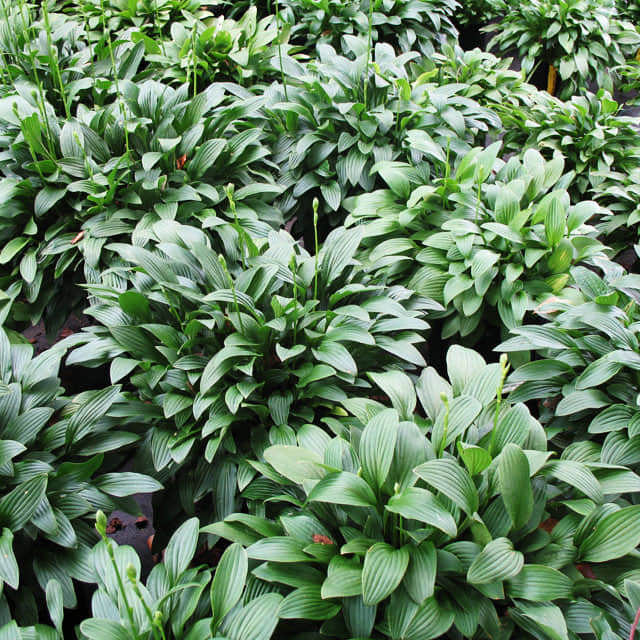
Hosta kiyosumiensis Drooping Leaves
eco Drooping Leaves

Hosta kiyosumiensis – Drooping Leaves

Why does your Hosta kiyosumiensis have drooping leaves? Diagnose the cause and fix it with our step-by-step guide.

search Possible Causes

error

Water Stress (Underwatering)

Hosta kiyosumiensis has relatively thin, delicate leaves that lose turgor pressure quickly when soil moisture is insufficient. Prolonged dry periods lead to rapid wilting and drooping of the foliage.

Very Common
lightbulb
How to confirm: Stick your finger two inches into the soil; if it feels bone-dry, the plant requires immediate deep watering.
build How to fix it
shopping_cart Recommended Products
1 Immediately check the soil moisture level at the root zone to confirm the severity of the dehydration.
2 Thoroughly soak the soil with water until it is fully saturated, ensuring the moisture reaches the deep root system.
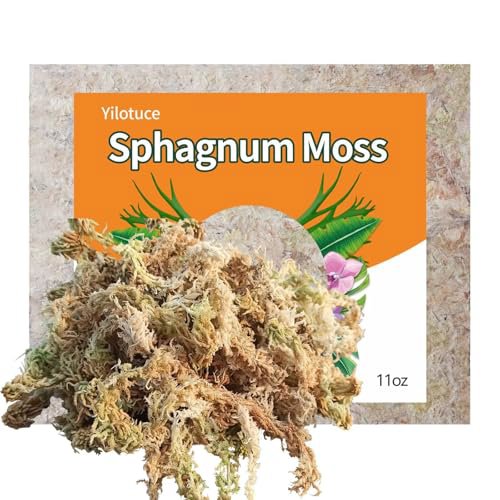
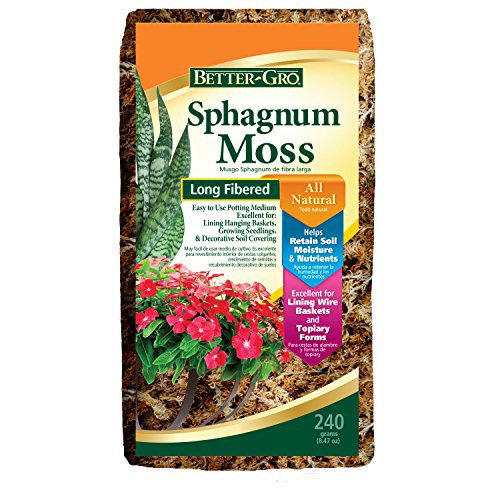
3 Apply a layer of organic mulch or sphagnum moss around the base of the plant to help retain soil moisture and prevent future drying.
error

Root Rot (Overwatering)

Excessive moisture in heavy or poorly draining soil deprives roots of oxygen, causing them to decay. When roots rot, they can no longer transport water to the leaves, resulting in a paradoxical drooping symptom despite wet soil.

Very Common
lightbulb
How to confirm: Check if the soil is soggy and inspect the base of the plant for any dark, foul-smelling mushy stems.
build How to fix it
shopping_cart Recommended Products
1 Immediately remove the plant from its current container and inspect the roots for mushy, dark, or foul-smelling decay; trim away any rotted sections using sterilized tools.
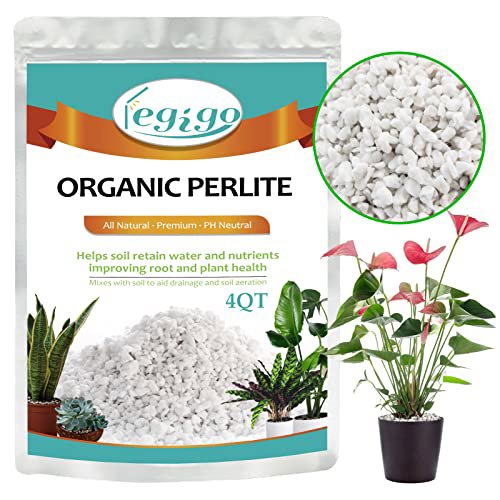
2 Repot the plant in a fresh, well-draining medium and ensure the new container has adequate drainage to prevent future water pooling.
3 Use a moisture meter to monitor the soil regularly, ensuring you only water when the top inch of soil is dry to avoid repeat overwatering.
warning

Heat Stress/Sunscald

While many hostas tolerate shade, extreme midday temperatures or sudden exposure to direct afternoon sun can cause the cellular structure of the leaves to collapse. This results in a limp, drooping appearance as the plant attempts to reduce transpiration.

Common
lightbulb
How to confirm: Observe if the drooping occurs specifically during the hottest part of the day and recovers in the evening.
build How to fix it
shopping_cart Recommended Products
1 Move the plant to a more shaded location or provide temporary afternoon shade to protect leaves from direct sunlight and intense heat.
2 Monitor soil moisture levels closely to ensure the plant remains hydrated without becoming waterlogged; use a moisture meter to check deep soil levels.
3 Apply a mulch layer around the base of the plant to help regulate soil temperature and retain moisture during heat waves.
warning

Slug or Snail Damage

Large holes eaten by gastropods can compromise the structural integrity of the leaf blades. Severe defoliation reduces the plant's ability to maintain hydraulic pressure, leading to overall drooping.

Common
lightbulb
How to confirm: Look for irregular holes in the leaves and shiny, silvery slime trails on the foliage or surrounding mulch.
build How to fix it
shopping_cart Recommended Products
1 Apply an organic insecticide to eliminate slugs and snails and prevent further leaf consumption.
2 Inspect the plant base and surrounding soil for gastropod activity and remove any visible pests manually.
3 Ensure the plant is in a well-draining environment to reduce the moist habitats that attract slugs.

Other Hosta kiyosumiensis problems

Your plant might also be experiencing one of these issues:

local_hospital All symptoms eco All plants with drooping leaves
favorite