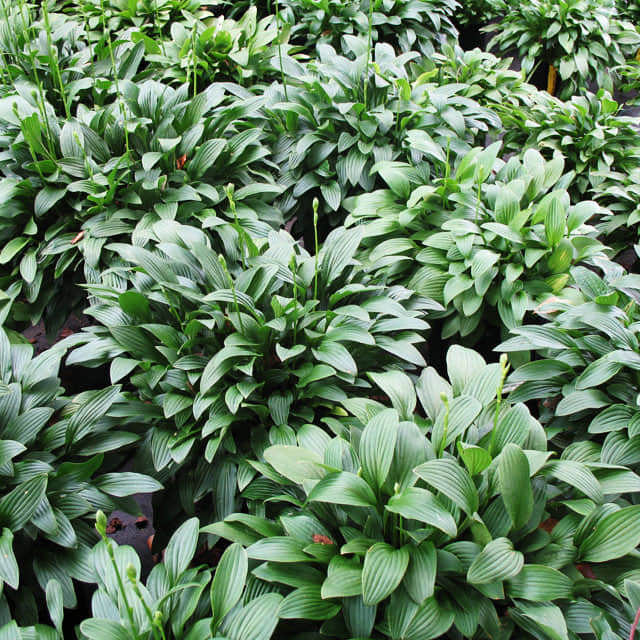
Hosta kiyosumiensis Tiny Black Flies
eco Tiny Black Flies

Hosta kiyosumiensis – Tiny Black Flies

Why does your Hosta kiyosumiensis have tiny black flies? Diagnose the cause and fix it with our step-by-step guide.

search Possible Causes

error

Fungus Gnats (Sciaridae)

The tiny black flies are likely fungus gnat adults, which lay eggs in the moist organic matter of the Hosta's potting medium. While adults are a nuisance, their larvae feed on decaying organic matter and can damage the fine feeder roots of Hosta kiyosumiensis.

Very Common
lightbulb
How to confirm: Set up a yellow sticky trap near the base of the plant to confirm the presence of flying adults.
build How to fix it
shopping_cart Recommended Products
1 Deploy yellow sticky traps to capture the adult flying gnats and break the reproductive cycle.
2 Reduce watering frequency and allow the top inch of soil to dry out completely to kill larvae in the organic matter.
3 Top-dress the soil with a layer of horticultural perlite to create a dry barrier that prevents adults from reaching the moist soil to lay eggs.
warning

Saprophagous Diptera (Decomposing Matter Feeders)

These flies are attracted to the high moisture levels and decomposing mulch typically found in Hosta beds. They do not directly attack the plant tissue but indicate that the soil surface is staying too wet for too long.

Common
lightbulb
How to confirm: Check if there is a thick layer of decomposing leaf litter or overly damp mulch surrounding the Hosta crown.
build How to fix it
shopping_cart Recommended Products
1 Reduce watering frequency and allow the top inch of soil to dry out completely to disrupt the flies' breeding cycle in the moist organic matter.
2 Apply yellow sticky traps near the soil surface to capture the adult flies and monitor the population.
3 Remove any decaying mulch or decomposing organic matter from the soil surface where the flies are breeding.
warning

Black Bean Aphid (Aphis fabae) infestation

While less common as 'flying' pests, certain aphid species can appear as small dark insects crawling near new growth. They suck sap from the tender hosta leaves, which can lead to leaf distortion and secondary fungal growth.

Common
lightbulb
How to confirm: Inspect the undersides of the newest Hosta leaves for clusters of tiny, dark, sedentary insects.
build How to fix it
shopping_cart Recommended Products
1 Apply an organic insecticide spray to the plant to eliminate the aphid population on contact and prevent further sap-sucking damage.
2 Check the soil surface for fungus gnats, which are often mistaken for aphids; use yellow sticky traps to capture flying adults.
3 Prune away any heavily distorted or sticky leaves to reduce the pest's food source and prevent secondary fungal growth.

Other Hosta kiyosumiensis problems

Your plant might also be experiencing one of these issues:

local_hospital All symptoms eco All plants with tiny black flies
favorite


