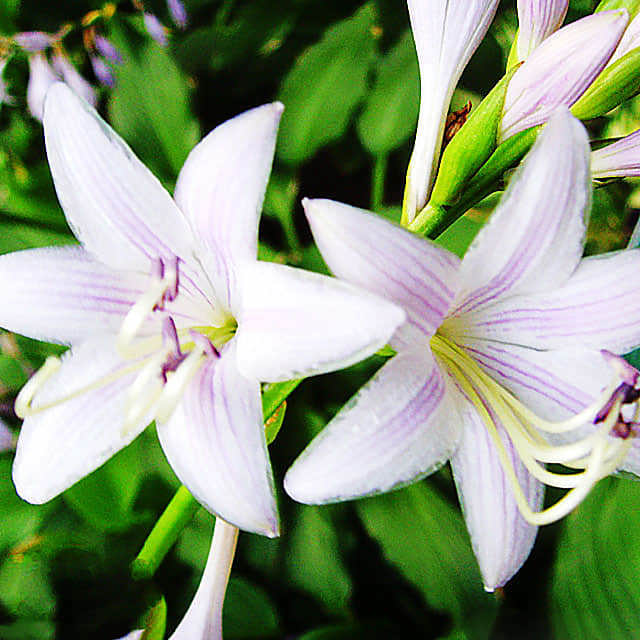
Hosta ventricosa Brown Leaf Tips
eco Brown Leaf Tips

Hosta ventricosa – Brown Leaf Tips

Why does your Hosta ventricosa have brown leaf tips? Diagnose the cause and fix it with our step-by-step guide.

search Possible Causes

error

Low Humidity/Dry Air

Hosta ventricosa prefers consistent moisture; dry air or low humidity causes the leaf margins and tips to desiccate rapidly. This is particularly common when the plant is placed in areas with heavy airflow from heaters or fans.

Very Common
lightbulb
How to confirm: Check if the brown tips coincide with periods of hot, dry weather or increased indoor heating usage.
build How to fix it
shopping_cart Recommended Products
1 Increase local humidity by placing the plant on a pebble tray or using a fine mist spray bottle to hydrate the air around the foliage.
2 Move the plant away from direct airflow from heating vents, air conditioners, or fans to prevent rapid moisture loss from the leaves.
3 Monitor soil moisture levels closely to ensure the plant remains consistently hydrated, as dry air can accelerate soil dehydration.
error

Salt Accumulation (Fertilizer Burn)

Excessive application of nitrogen-rich fertilizers can lead to a buildup of mineral salts in the soil. This osmotic stress draws moisture out of the leaf tips, causing them to turn crispy and brown.

Very Common
lightbulb
How to confirm: Examine if you have recently fertilized and check if the browning is accompanied by a white crust on the soil surface.
build How to fix it
shopping_cart Recommended Products
1 Flush the soil thoroughly with large amounts of fresh, distilled, or rainwater to leach out the accumulated mineral salts.
2 Prune away the crispy, brown leaf tips using clean shears to prevent further aesthetic damage and allow the plant to focus on recovery.
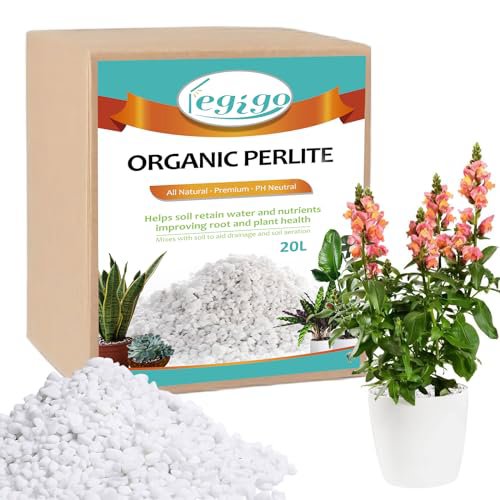
3 Amend the soil with organic matter or perlite to improve drainage and prevent future salt buildup, and avoid high-nitrogen fertilizers until the plant stabilizes.
warning

Inconsistent Watering

While Hosta ventricosa is somewhat more drought-tolerant than other hostas, extreme fluctuations between saturated soil and bone-dry soil cause cellular stress. This prevents the plant from maintaining turgor pressure at the furthest extremities of the leaf.

Common
lightbulb
How to confirm: Stick your finger two inches into the soil to see if it has gone completely dry before you typically water.
build How to fix it
shopping_cart Recommended Products
1 Check the soil moisture levels regularly to ensure a consistent moisture pattern, avoiding the cycle of bone-dry to saturated soil.
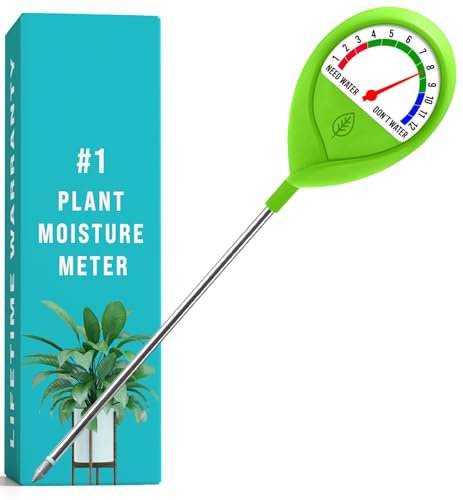
2 Apply a consistent watering schedule and consider using a moisture meter to prevent extreme fluctuations in soil hydration.
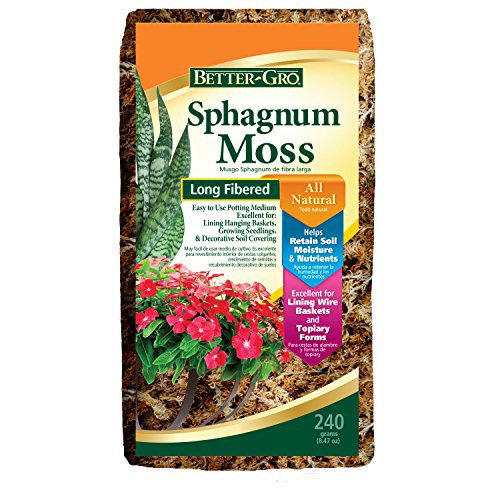
3 Mulch the base of the plant with organic matter to help retain soil moisture and buffer against rapid drying.
warning

Root Rot (Phytophthora)

Overwatering in heavy, poorly draining soil can lead to fungal pathogens attacking the root system. As roots decay, they lose the ability to transport water to the leaf edges, resulting in tip necrosis.

Common
lightbulb
How to confirm: Gently lift the plant from its container or scrape the soil to see if the roots are dark, slimy, or foul-smelling.
build How to fix it
shopping_cart Recommended Products
1 Immediately reduce watering frequency and ensure the plant is in a container with excellent drainage to stop further root decay.
2 Repot the plant in a highly aerated, well-draining medium by mixing existing soil with perlite or horticultural grit to prevent future waterlogging.
3 Inspect the root system for mushy, dark brown rot; prune away any decayed roots using sterilized tools to prevent the spread of Phytophthora.

Other Hosta ventricosa problems

Your plant might also be experiencing one of these issues:

local_hospital All symptoms eco All plants with brown leaf tips
favorite