Hosta ventricosa Drooping Leaves
eco Drooping Leaves

Hosta ventricosa – Drooping Leaves

Why does your Hosta ventricosa have drooping leaves? Diagnose the cause and fix it with our step-by-step guide.

search Possible Causes

error

Water Stress (Dehydration)

Hosta ventricosa has thicker, more succulent leaves than other hostas, but extreme heat and lack of soil moisture cause a loss of turgor pressure. This leads to rapid wilting or drooping as the plant attempts to reduce surface area for transpiration.

Very Common
lightbulb
How to confirm: Stick your finger two inches into the soil; if it is bone dry, the plant needs immediate deep watering.
build How to fix it
shopping_cart Recommended Products
1 Immediately check the soil moisture level at the root zone to confirm dehydration.
2 Apply a deep, thorough watering to the base of the plant to restore turgor pressure, ensuring the soil is completely saturated.
3 Apply a layer of organic mulch or organic soil amendment around the base to help retain moisture and regulate soil temperature.
error

Root Rot (Overwatering)

Excessive moisture in heavy or poorly draining soil suffocates the roots of Hosta ventricosa, preventing them from transporting water to the leaves. Even though the plant needs moisture, soggy feet cause the leaves to collapse and droop.

Very Common
lightbulb
How to confirm: Check the base of the crown for mushy texture and smell the soil for a sour, fermented odor.
build How to fix it
shopping_cart Recommended Products
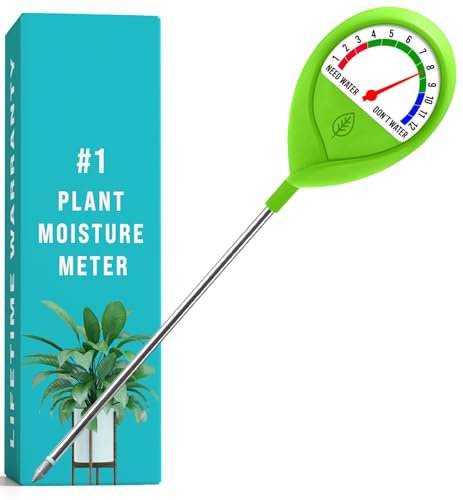
1 Immediately stop watering and allow the soil to dry out completely. Use a moisture meter to monitor the soil depth and ensure the root zone is not staying saturated.
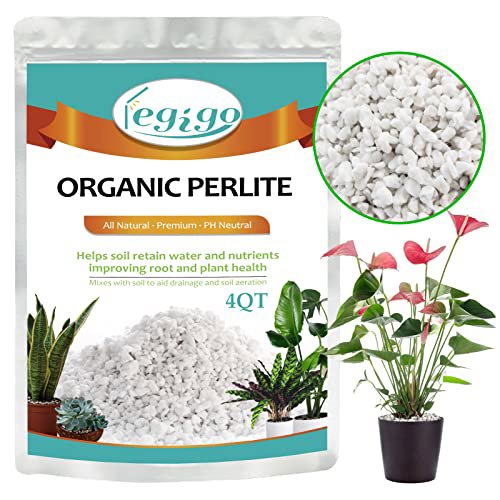
2 Repot the plant in a well-draining medium. Mix in horticultural perlite to improve aeration and prevent future waterlogging.
3 Inspect the roots for mushy, dark brown decay. Trim away any rotten roots using sterilized shears to prevent the spread of rot.
warning

Heat Stress / Sunscorch

While Hosta ventricosa is more sun-tolerant than other species, intense midday summer heat can cause physiological wilting. The plant droops to protect its tissues from thermal damage when temperatures exceed its tolerance threshold.

Common
lightbulb
How to confirm: Look for bleached or crispy brown patches on the edges of the drooping leaves.
build How to fix it
shopping_cart Recommended Products
1 Move the plant to a more shaded location or provide temporary afternoon shade to protect leaves from direct, intense sunlight.
2 Monitor soil moisture levels closely to ensure the plant remains hydrated during heat waves, using a moisture meter to prevent dehydration.
3 Apply a layer of organic mulch around the base of the plant to help regulate soil temperature and retain moisture.
warning

Slug or Snail Infestation

Heavy feeding by mollusks can strip leaf tissue, leaving the remaining structure unsupported and causing the foliage to sag. Significant damage to the vascular pathways of the leaves prevents them from staying upright.

Common
lightbulb
How to confirm: Inspect the undersides of leaves and the soil surface at night for visible slugs or slimy trails.
build How to fix it
shopping_cart Recommended Products
1 Apply an organic insecticide to eliminate the slug and snail population and prevent further leaf tissue destruction.
2 Inspect the base of the plant and surrounding soil for mollusk eggs or hiding spots, and manually remove any visible pests.
3 Ensure the plant is in a well-draining environment to reduce the moist habitats that attract slugs and snails.

Other Hosta ventricosa problems

Your plant might also be experiencing one of these issues:

local_hospital All symptoms eco All plants with drooping leaves
favorite