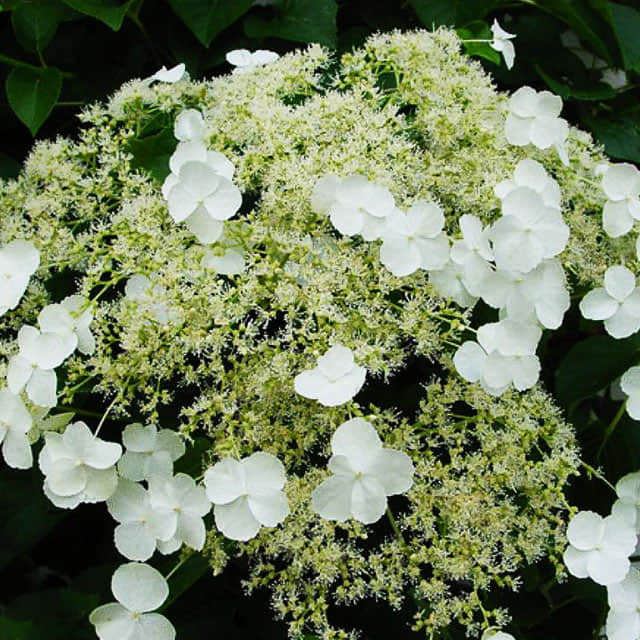
Hydrangea anomala Drooping Leaves
eco Drooping Leaves

Hydrangea anomala – Drooping Leaves

Why does your Hydrangea anomala have drooping leaves? Diagnose the cause and fix it with our step-by-step guide.

search Possible Causes

error

Water Stress (Underwatering)

Hydrangea anomala has large, thin leaves with high transpiration rates. When soil moisture is insufficient, the plant quickly loses turgor pressure, causing rapid wilting.

Very Common
lightbulb
How to confirm: Check the moisture level of the soil several inches below the surface; if it is bone dry, the plant needs immediate deep watering.
build How to fix it
shopping_cart Recommended Products
1 Immediately check the soil moisture level at the root zone to confirm the extent of the dehydration.
2 Thoroughly water the plant until water drains from the bottom of the pot, ensuring the entire root ball is saturated.
3 Move the plant to a shaded area away from direct sunlight to reduce transpiration rates while it recovers.
error

Water Stress (Overwatering/Root Rot)

Excessive soil moisture displaces oxygen in the root zone, leading to Phytophthora or other fungal root rots. This prevents the roots from absorbing water, causing leaves to droop despite wet soil.

Very Common
lightbulb
How to confirm: Inspect the base of the stems and the roots for any signs of dark, mushy, or foul-smelling tissue.
build How to fix it
shopping_cart Recommended Products
1 Immediately check the soil moisture level at the root zone to confirm if the soil is saturated.
2 Repot the plant in a well-draining medium and mix in perlite to improve aeration and prevent future oxygen displacement.
3 Prune any mushy, blackened roots and treat the area with a fungicide if fungal rot is visible.
warning

Heat Stress / Transpiration Imbalance

High temperatures and intense afternoon sun can cause the rate of evaporation from the leaf surface to exceed the roots' ability to supply water. This is common in Hydrangea species during mid-summer heat waves.

Common
lightbulb
How to confirm: Observe if the drooping occurs primarily during the hottest part of the day and recovers after sunset or in the shade.
build How to fix it
shopping_cart Recommended Products
1 Move the plant to a shaded area or provide temporary relief from intense afternoon sun to reduce the transpiration rate.
2 Check the soil moisture level using a moisture meter to ensure the roots are not actually dehydrated.
3 Apply a consistent watering schedule and consider using a mulch or moisture-retaining substrate to help stabilize soil hydration.
warning

Fungal Pathogen (e.g., Cercospora Leaf Spot)

While often characterized by spots, advanced fungal infections can compromise the vascular integrity of the Hydrangea anomala leaf, leading to structural weakness and drooping.

Common
lightbulb
How to confirm: Look closely at the leaves for small, necrotic brown spots with distinct margins that may precede the drooping.
build How to fix it
shopping_cart Recommended Products
1 Apply an organic fungicide to the affected foliage to stop the spread of the fungal pathogen and protect healthy leaves.
2 Prune and dispose of any heavily infected or dead leaves using sterilized shears to prevent the pathogen from spreading to healthy parts of the plant.
3 Improve air circulation around the plant and avoid overhead watering to reduce the humidity that promotes fungal growth.

Other Hydrangea anomala problems

Your plant might also be experiencing one of these issues:

local_hospital All symptoms eco All plants with drooping leaves
favorite