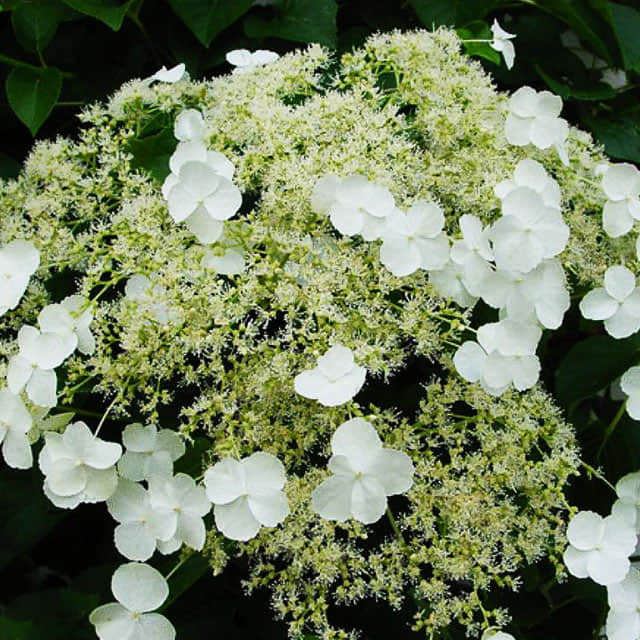
Hydrangea anomala Yellow Leaves
eco Yellow Leaves

Hydrangea anomala – Yellow Leaves

Why does your Hydrangea anomala have yellow leaves? Diagnose the cause and fix it with our step-by-step guide.

search Possible Causes

error

Iron Chlorosis (Nutrient Deficiency)

In Hydrangea anomala, yellowing between the veins (interveinal chlorosis) often occurs when high soil pH prevents the plant from absorbing iron. This is common in alkaline soils where manganese or iron becomes chemically unavailable.

Very Common
lightbulb
How to confirm: Inspect if the leaf veins remain dark green while the rest of the tissue turns pale yellow.
build How to fix it
shopping_cart Recommended Products
1 Apply an iron-rich supplement to the soil to directly address the iron deficiency and help green up the leaves.
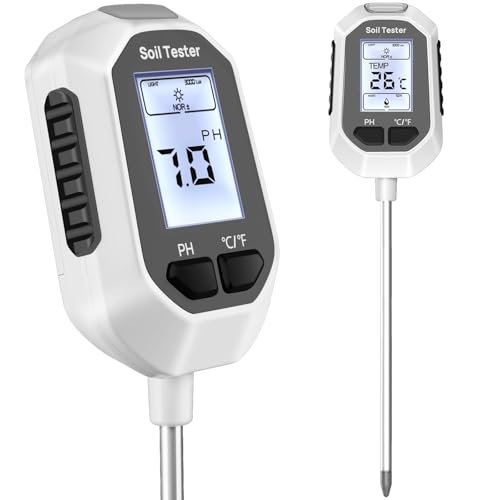
2 Monitor soil pH levels to ensure the environment remains acidic enough for iron uptake, as alkaline soil is the primary cause of this chlorosis.
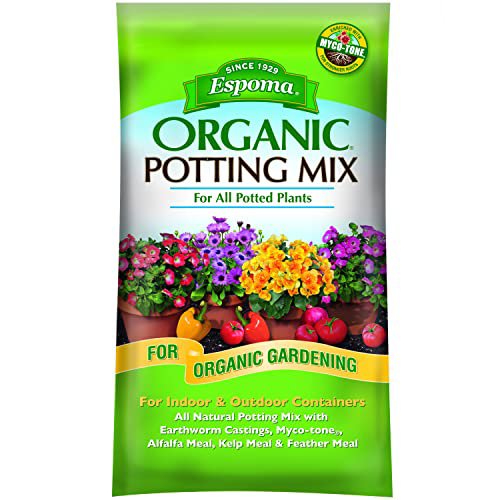
3 Amend the soil with organic matter or acidifying amendments to lower the pH and improve nutrient availability.
error

Overwatering and Root Hypoxia

Excessive moisture in heavy soils suffocates the root system, leading to a lack of oxygen. This prevents the hydrangea from transporting nutrients, causing uniform yellowing of older leaves.

Very Common
lightbulb
How to confirm: Check if the soil remains saturated for several days after watering and feel if the roots are dark or slimy.
build How to fix it
shopping_cart Recommended Products
1 Immediately reduce watering frequency and allow the top inch of soil to dry out completely before watering again to restore oxygen to the root zone.
2 Repot the hydrangea into a well-draining medium by mixing in horticultural perlite to improve aeration and prevent future soil compaction.
3 Ensure the plant is in a container with adequate drainage and use a saucer to catch excess water, making sure not to let the pot sit in standing water.
warning

Nitrogen Deficiency

A lack of nitrogen causes a general loss of chlorophyll, typically manifesting as a pale yellow color that starts on older, lower leaves and progresses upward.

Common
lightbulb
How to confirm: Look for uniform yellowing across the entire leaf blade starting from the base of the plant.
build How to fix it
shopping_cart Recommended Products
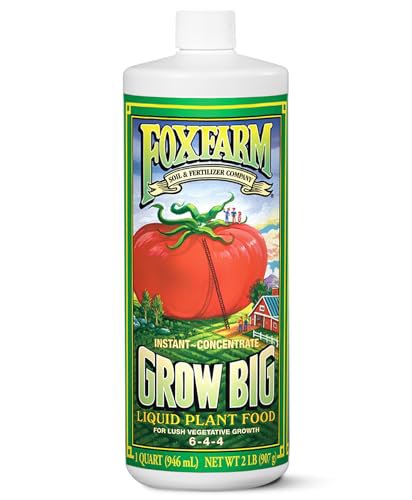
1 Apply a nitrogen-rich liquid fertilizer to boost chlorophyll production and green up the foliage.
2 Incorporate organic soil amendments like worm castings into the top layer of soil to provide long-term nutrient release.
3 Monitor soil moisture levels with a meter to ensure nitrogen is being effectively transported to the roots without causing root rot.
warning

Water Stress (Drought)

Hydrangeas have high transpiration rates; if the soil dries out too much, the plant may shed chlorophyll to conserve moisture, leading to yellowing and wilting.

Common
lightbulb
How to confirm: Observe if the yellowing is accompanied by drooping leaves and crispy, brown edges.
build How to fix it
shopping_cart Recommended Products
1 Check the soil moisture level immediately using a moisture meter to confirm if the root zone has reached a critical dry point.
2 Deeply water the plant to ensure the moisture reaches the entire root ball, and consider using a pebble tray or saucer to maintain higher humidity around the foliage.
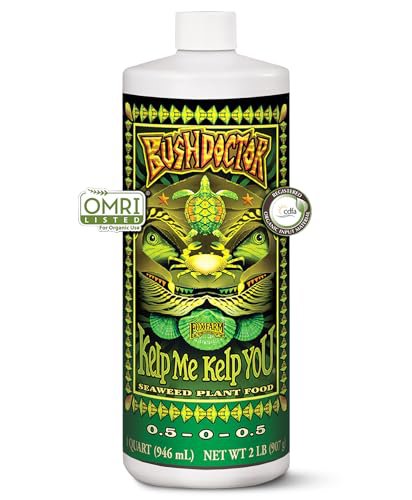
3 Apply a liquid seaweed fertilizer to help the plant recover from environmental stress and boost nutrient uptake.

Other Hydrangea anomala problems

Your plant might also be experiencing one of these issues:

local_hospital All symptoms eco All plants with yellow leaves
favorite