Hydrangea heteromalla Drooping Leaves
eco Drooping Leaves

Hydrangea heteromalla – Drooping Leaves

Why does your Hydrangea heteromalla have drooping leaves? Diagnose the cause and fix it with our step-by-step guide.

search Possible Causes

error

Water Stress (Drought or Underwatering)

As a species native to the moist, temperate climates of the Himalayas, Hydrangea heteromalla has a high transpiration rate. When soil moisture is insufficient, the plant loses turgor pressure in its leaves quickly to prevent further water loss.

Very Common
lightbulb
How to confirm: Check the soil moisture two inches below the surface; if it is bone dry, the plant requires immediate deep watering.
build How to fix it
shopping_cart Recommended Products
1 Immediately check the soil moisture level at the root zone to confirm the extent of the drought.
2 Thoroughly water the plant until water drains from the bottom of the pot, ensuring the entire root ball is saturated.
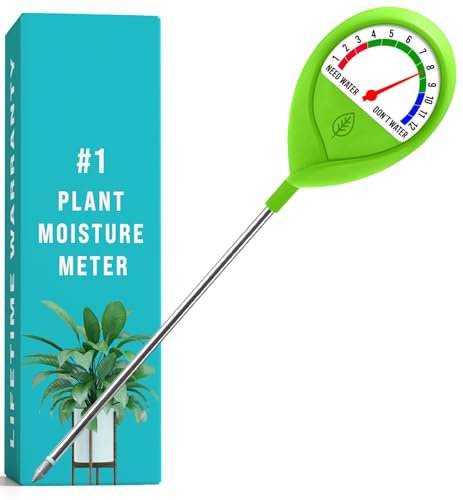
3 To prevent future rapid moisture loss, consider using a moisture meter to monitor soil levels regularly.
error

Root Rot (Overwatering/Poor Drainage)

Excessive moisture in heavy soils can lead to fungal pathogens like Phytophthora, which destroy the root system. This prevents the plant from transporting water to the foliage, resulting in drooping that looks ironically similar to drought.

Very Common
lightbulb
How to confirm: Examine the roots for a dark brown, slimy texture and check if the potting medium remains saturated for long periods.
build How to fix it
shopping_cart Recommended Products
1 Immediately reduce watering frequency and allow the soil to dry out significantly before the next application.
2 Repot the plant in a well-draining medium, incorporating perlite to improve aeration and prevent future waterlogging.
3 Inspect the roots for mushy, dark brown decay; prune away any rotten sections using sterilized shears to prevent further spread.
warning

Heat Stress/High Evapotranspiration

Hydrangea heteromalla prefers cooler, shaded environments. Exposure to intense midday sun or high temperatures causes the leaves to wilt as the plant struggles to cool itself through transpiration.

Common
lightbulb
How to confirm: Observe if the drooping occurs primarily during the hottest part of the day and recovers in the evening.
build How to fix it
shopping_cart Recommended Products
1 Move the plant to a cooler, shaded location away from intense midday sun to reduce transpiration rates.
2 Monitor soil moisture levels closely to ensure the plant remains hydrated during heat waves, using a moisture meter to prevent dehydration.
3 Apply a light layer of mulch or organic matter around the base to help regulate soil temperature and retain moisture.
warning

Nutrient Deficiency (Nitrogen or Magnesium)

A lack of essential nutrients can weaken the structural integrity of the leaf cells. While usually accompanied by chlorosis (yellowing), severe deficiencies can lead to a general loss of vigor and drooping.

Common
lightbulb
How to confirm: Inspect the leaves for yellowing between veins or at the edges alongside the wilting symptoms.
build How to fix it
shopping_cart Recommended Products
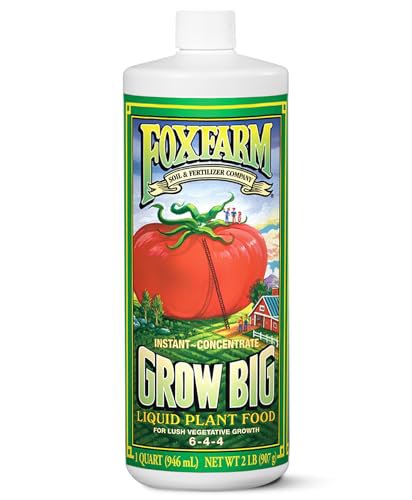
1 Apply a balanced liquid fertilizer to boost nitrogen and magnesium levels, which helps restore leaf structural integrity.
2 Supplement with a magnesium-rich additive to specifically target potential magnesium deficiency and prevent further drooping.
3 Use a soil moisture meter to ensure the drooping isn't actually caused by underwatering or overwatering.

Other Hydrangea heteromalla problems

Your plant might also be experiencing one of these issues:

local_hospital All symptoms eco All plants with drooping leaves
favorite