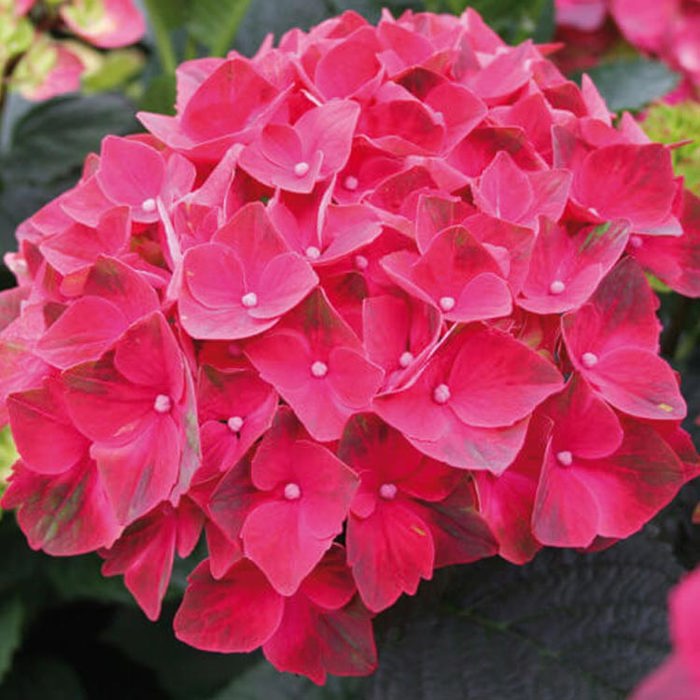
Hydrangea macrophylla Magical Crimson Yellow Leaves
eco Yellow Leaves

Hydrangea macrophylla Magical Crimson – Yellow Leaves

Why does your Hydrangea macrophylla Magical Crimson have yellow leaves? Diagnose the cause and fix it with our step-by-step guide.

search Possible Causes

error

Iron Chlorosis

In Hydrangeas, yellowing leaves with distinct green veins typically indicate an inability to absorb iron, often caused by high soil pH (alkaline). This prevents the plant from producing sufficient chlorophyll.

Very Common
lightbulb
How to confirm: Check if the new growth is yellow while the veins remain dark green, and test your soil pH.
build How to fix it
shopping_cart Recommended Products
1 Lower the soil pH by applying an acidifying amendment to make iron more available to the roots.
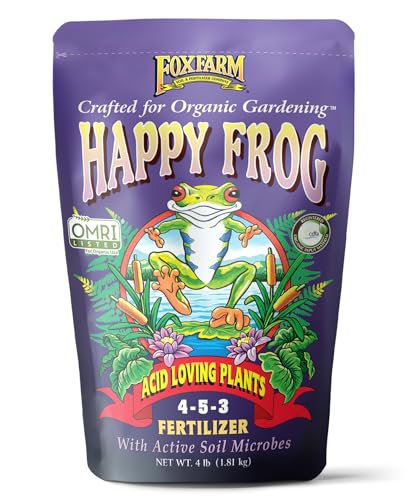
2 Apply a liquid iron supplement or chelated iron to provide immediate nutrient uptake.
3 Monitor soil acidity levels regularly to ensure the pH remains in the acidic range (5.2 to 5.5) for optimal iron absorption.
error

Overwatering and Root Suffocation

Excessive moisture in heavy soils deprives the roots of oxygen, leading to root rot. This prevents the 'Magical Crimson' variety from transporting nutrients upward, resulting in overall leaf yellowing.

Very Common
lightbulb
How to confirm: Stick your finger two inches into the soil; if it feels soggy and smells sour, the plant is overwatered.
build How to fix it
shopping_cart Recommended Products
1 Immediately reduce watering frequency and allow the top inch of soil to dry out completely before watering again to prevent further root suffocation.
2 Repot the hydrangea into a well-draining medium by mixing in perlite to improve aeration and prevent future waterlogging.
3 Ensure the plant is in a container with adequate drainage, such as a Root & Vessel pot with an integrated drainage tray, to prevent water from pooling at the roots.
warning

Nitrogen Deficiency

A lack of nitrogen causes older, lower leaves to turn pale yellow first as the plant mobilizes nutrients to new growth. This is common in plants grown in nutrient-depleted or heavily leached soils.

Common
lightbulb
How to confirm: Observe if the yellowing starts on the oldest leaves at the base of the plant and moves upward.
build How to fix it
shopping_cart Recommended Products
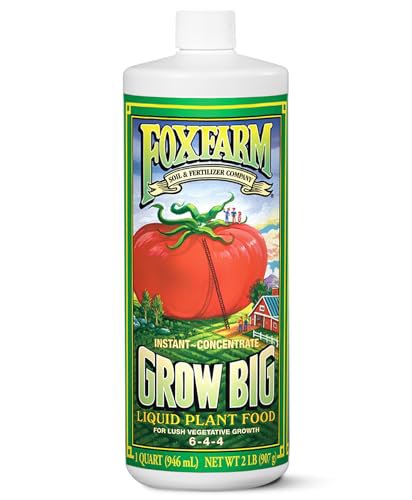
1 Apply a nitrogen-rich liquid fertilizer to provide immediate nutrient uptake for the plant.
2 Amend the existing soil with an organic nitrogen source to replenish long-term nutrient levels.
3 Monitor soil moisture levels to ensure nitrogen is not being leached away by overwatering.
warning

Water Stress (Drought)

While Hydrangeas prefer moist soil, prolonged dry periods cause the plant to lose turgor pressure and shed chlorophyll. This often presents as yellowing accompanied by wilting or crispy leaf edges.

Common
lightbulb
How to confirm: Check the moisture level of the substrate immediately around the root ball during a dry spell.
build How to fix it
shopping_cart Recommended Products
1 Check the soil moisture level immediately using a moisture meter to confirm if the root zone is truly dry.
2 Deeply water the plant to ensure the moisture reaches the entire root ball, and consider using a pebble tray or saucer to maintain humidity.
3 Apply a balanced liquid fertilizer to help the plant recover and restore chlorophyll production.

Other Hydrangea macrophylla Magical Crimson problems

Your plant might also be experiencing one of these issues:

local_hospital All symptoms eco All plants with yellow leaves
favorite