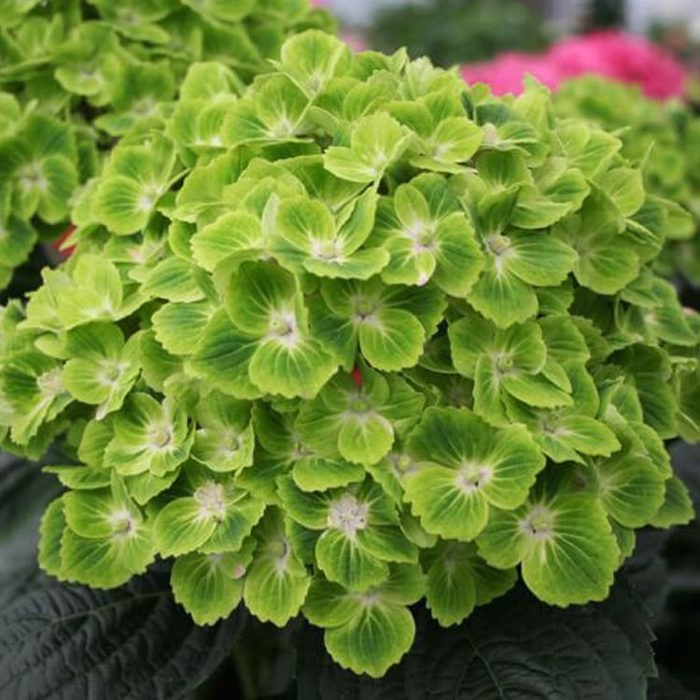
Hydrangea macrophylla Magical Green Cloud Leggy Stems
eco Leggy Stems

Hydrangea macrophylla Magical Green Cloud – Leggy Stems

Why does your Hydrangea macrophylla Magical Green Cloud have leggy stems? Diagnose the cause and fix it with our step-by-step guide.

search Possible Causes

error

Insufficient Light Exposure

Hydrangeas are shade-loving plants; if they receive too much direct afternoon sun or are in a dark corner, the plant will undergo etiolation, stretching stems to reach for light. This results in long, weak, and spindly growth with sparse foliage.

Very Common
lightbulb
How to confirm: Observe if the plant is leaning toward a window or if the internodes (space between leaves) appear unusually elongated.
build How to fix it
shopping_cart Recommended Products
1 Move your hydrangea to a location with bright, indirect light, ensuring it is protected from harsh, direct afternoon sun to prevent further stretching.
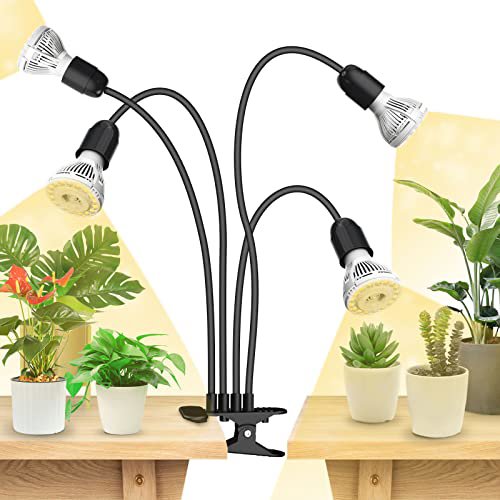
2 Supplement with a full-spectrum grow light if natural light is insufficient, using a height-adjustable setup to maintain proper distance from the foliage.
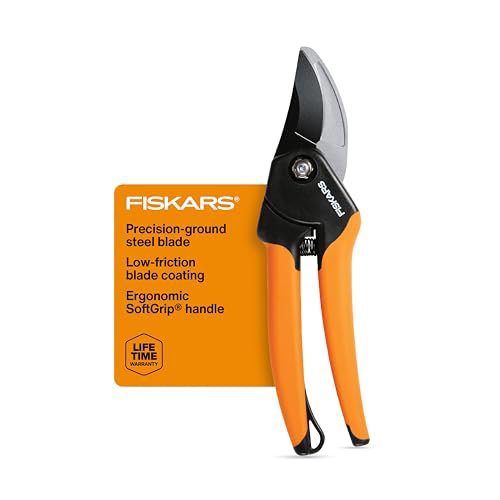
3 Prune the long, spindly stems using sharp, clean shears to encourage bushier, more compact growth and prevent the plant from collapsing under its own weight.
warning

Excessive Nitrogen Fertilization

High levels of nitrogen promote rapid vegetative growth, which can outpace the plant's structural integrity. In 'Magical Green Cloud', this leads to lush but weak and floppy stems that cannot support the weight of the developing blooms.

Common
lightbulb
How to confirm: Check if you have recently used a fertilizer with a very high first number (N) in the N-P-K ratio.
build How to fix it
shopping_cart Recommended Products
1 Stop all nitrogen-rich fertilization immediately to prevent further rapid, weak growth.
2 Apply a balanced or low-nitrogen fertilizer to help strengthen the plant's structural integrity and support bloom development.
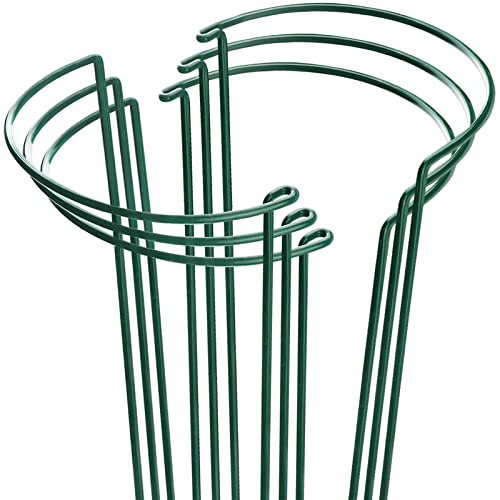
3 Provide additional physical support to the floppy stems using stakes or cages to prevent them from breaking under the weight of the blooms.
warning

Inadequate Pruning/Deadheading

Failure to prune spent blooms or manage old wood can allow many weak, non-productive stems to compete for nutrients. This lack of structural management results in a leggy, unorganized appearance rather than the compact mound characteristic of this cultivar.

Common
lightbulb
How to confirm: Examine the base of the plant to see if there is an accumulation of old, woody, and unproductive stems.
build How to fix it
shopping_cart Recommended Products
1 Use sharp pruning shears to remove spent blooms and dead stems, cutting back to a healthy node to encourage new, compact growth.
2 Thin out older, weak stems to reduce competition for nutrients and improve airflow through the center of the plant.
3 Apply a balanced fertilizer to support the development of new, vigorous stems and lush foliage.
warning

Overwatering leading to Root Compromise

While overwatering usually causes wilting, chronic moisture saturation can lead to shallow, weak root systems. This prevents the plant from anchoring itself and supporting upright growth, causing stems to sprawl.

Common
lightbulb
How to confirm: Press your finger into the soil to check if it remains soggy several inches below the surface for extended periods.
build How to fix it
shopping_cart Recommended Products
1 Check the soil moisture levels immediately using a moisture meter to ensure the root zone is not staying saturated for too long.
2 Repot the hydrangea into a well-draining medium by mixing in perlite to improve aeration and prevent future root rot.
3 Prune any mushy or darkened roots and provide a microbial boost to help the plant recover from root stress.

Other Hydrangea macrophylla Magical Green Cloud problems

Your plant might also be experiencing one of these issues:

local_hospital All symptoms eco All plants with leggy stems
favorite