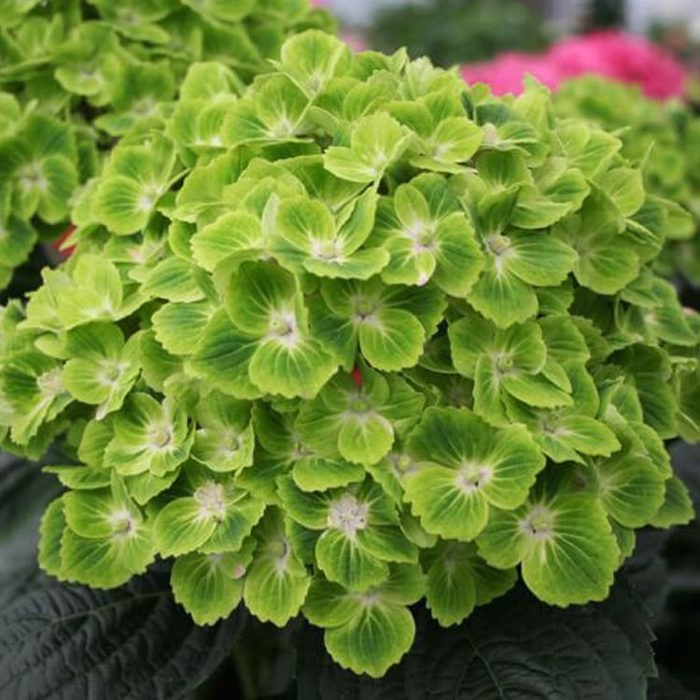
Hydrangea macrophylla Magical Green Cloud Yellow Leaves
eco Yellow Leaves

Hydrangea macrophylla Magical Green Cloud – Yellow Leaves

Why does your Hydrangea macrophylla Magical Green Cloud have yellow leaves? Diagnose the cause and fix it with our step-by-step guide.

search Possible Causes

error

Iron Chlorosis (Nutrient Deficiency)

In Hydrangeas, yellow leaves with prominent green veins often indicate an inability to uptake iron due to high soil pH. This prevents the plant from producing sufficient chlorophyll for photosynthesis.

Very Common
lightbulb
How to confirm: Check if the interveinal areas are yellow while the veins remain dark green, and test your soil pH (ideally it should be between 5.2 and 6.0).
build How to fix it
shopping_cart Recommended Products
1 Lower the soil pH to a more acidic level to facilitate iron uptake, as high pH prevents the plant from absorbing essential nutrients.
2 Apply an iron-rich supplement or organic fertilizer to provide immediate nutrition and help restore chlorophyll production.
3 Monitor soil moisture levels regularly using a moisture meter to ensure the roots remain hydrated but not waterlogged, which can also affect nutrient availability.
error

Overwatering and Root Suffocation

Excessive moisture in the substrate leads to anaerobic conditions, causing root rot. As roots die off, they can no longer transport nutrients, resulting in uniform yellowing of the foliage.

Very Common
lightbulb
How to confirm: Stick your finger two inches into the soil to check if it is staying saturated or feels boggy even after several days.
build How to fix it
shopping_cart Recommended Products
1 Immediately reduce watering frequency and allow the top inch of soil to dry out completely before watering again to prevent further root suffocation.
2 Repot the hydrangea into a well-draining medium by mixing existing soil with perlite to improve aeration and prevent anaerobic conditions.
3 Inspect the root system for mushy, dark roots and prune any rot away, then apply a microbial-based fertilizer to help restore root zone health.
warning

Nitrogen Deficiency

A lack of nitrogen causes the older, lower leaves to turn pale yellow first as the plant mobilizes nutrients to newer growth. This is common in heavy-feeding species like Hydrangea macrophylla.

Common
lightbulb
How to confirm: Observe if the yellowing is starting on the bottom-most leaves and spreading upward across the entire leaf blade.
build How to fix it
shopping_cart Recommended Products
1 Apply a nitrogen-rich liquid fertilizer to provide immediate nutrient uptake for the plant.
2 Incorporate an organic soil amendment like worm castings into the top layer of soil to provide long-term, slow-release nitrogen.
3 Monitor soil moisture levels regularly to ensure the plant can effectively absorb the newly provided nutrients.
warning

Sunscald/Heat Stress

While these hydrangeas enjoy morning sun, extreme afternoon heat can cause leaves to bleach or turn yellow as a defense mechanism against moisture loss.

Common
lightbulb
How to confirm: Check if the yellowing is primarily located on the leaf surfaces most exposed to direct midday sunlight.
build How to fix it
shopping_cart Recommended Products
1 Relocate the plant to a location that provides bright, filtered light or morning sun while protecting it from intense afternoon sun to prevent further leaf bleaching.
2 Apply a mulch layer around the base of the plant to help regulate soil temperature and retain moisture during heat waves.
3 Monitor soil moisture levels closely to ensure the plant remains hydrated during high temperatures, using a moisture meter to avoid both underwatering and overwatering.

Other Hydrangea macrophylla Magical Green Cloud problems

Your plant might also be experiencing one of these issues:

local_hospital All symptoms eco All plants with yellow leaves
favorite