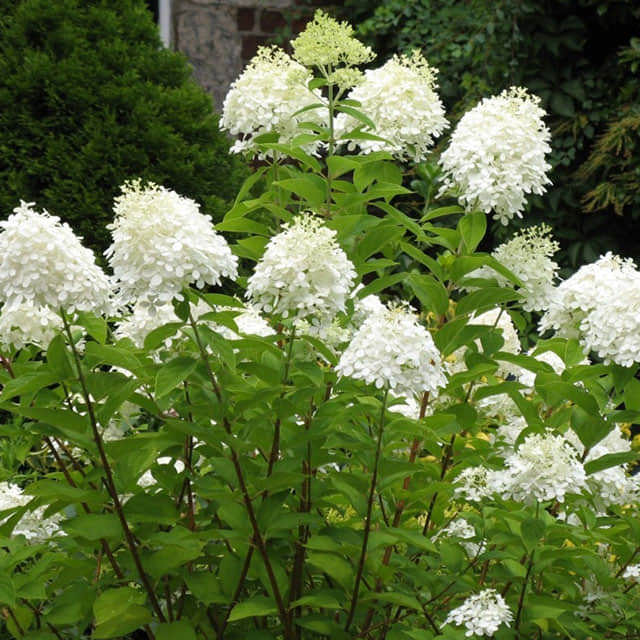
Hydrangea paniculata Yellow Leaves
eco Yellow Leaves

Hydrangea paniculata – Yellow Leaves

Why does your Hydrangea paniculata have yellow leaves? Diagnose the cause and fix it with our step-by-step guide.

search Possible Causes

error

Nitrogen Deficiency

Panicle hydrangeas require significant nitrogen for lush foliage; a lack of available nitrogen causes older leaves to turn pale yellow while veins may remain green.

Very Common
lightbulb
How to confirm: Observe if the yellowing begins on the oldest, bottom leaves and progresses upward toward the new growth.
build How to fix it
shopping_cart Recommended Products
1 Apply a nitrogen-rich liquid fertilizer to provide immediate nutrient uptake for the foliage.
2 Incorporate an organic soil amendment like worm castings to improve long-term nitrogen availability and soil health.
3 Monitor soil moisture levels to ensure nitrogen is being effectively transported to the roots without causing waterlogging.
error

Overwatering and Root Suffocation

Panicle hydrangeas prefer moist but well-drained soil; constant saturation leads to anaerobic conditions that damage roots, resulting in chlorosis (yellowing) of the leaves.

Very Common
lightbulb
How to confirm: Stick your finger two inches into the soil to see if it feels soggy or if there is a noticeable odor of decay.
build How to fix it
shopping_cart Recommended Products
1 Immediately reduce watering frequency and allow the top inch of soil to dry out before watering again to prevent further root rot.
2 Repot the hydrangea into a well-draining medium by mixing existing soil with perlite or horticultural perlite to improve aeration and prevent future soil compaction.
3 Ensure the plant is in a container with adequate drainage holes and use a saucer to catch excess water, making sure not to let the pot sit in standing water.
warning

Iron Chlorosis

High soil pH (alkalinity) prevents panicle hydrangeas from absorbing iron, causing leaves to turn bright yellow while the leaf veins stay distinctively dark green.

Common
lightbulb
How to confirm: Check if the yellowing pattern features a striking contrast between bright yellow tissue and dark green veins.
build How to fix it
shopping_cart Recommended Products
1 Lower the soil pH by applying an acidifying amendment to make iron more bioavailable to the roots.
2 Apply a liquid iron supplement or chelated iron to provide immediate nutrient uptake for the chlorotic leaves.
3 Monitor soil moisture levels using a moisture meter to ensure the plant is not experiencing water stress, which can exacerbate nutrient lockout.
warning

Temperature Stress

Sudden extreme heat or late spring frosts can cause physiological stress in Hydrangea paniculata, leading to temporary leaf yellowing as the plant enters a defensive state.

Common
lightbulb
How to confirm: Check if the yellowing coincided with a recent significant weather event like a heatwave or a sudden cold snap.
build How to fix it
shopping_cart Recommended Products
1 Protect the plant from extreme temperature fluctuations by providing temporary shade during heatwaves or using frost blankets during late spring frosts.
2 Maintain consistent soil moisture to help the plant recover from physiological stress; use a moisture meter to ensure the soil doesn't dry out completely during heat.
3 Apply a balanced liquid fertilizer to support recovery and strengthen the plant's resilience against environmental stressors.

Other Hydrangea paniculata problems

Your plant might also be experiencing one of these issues:

local_hospital All symptoms eco All plants with yellow leaves
favorite