Hydrangea serrata Drooping Leaves
eco Drooping Leaves

Hydrangea serrata – Drooping Leaves

Why does your Hydrangea serrata have drooping leaves? Diagnose the cause and fix it with our step-by-step guide.

search Possible Causes

error

Underwatering / Drought Stress

Hydrangea serrata is much more sensitive to dry conditions than the common Macrophylla species. When soil moisture drops, the plant rapidly loses turgor pressure in its large leaves to prevent transpiration loss.

Very Common
lightbulb
How to confirm: Check the soil depth about 2 inches down; if it feels bone-dry and the stems are soft, the plant needs immediate deep watering.
build How to fix it
shopping_cart Recommended Products
1 Immediately check the soil moisture level at the root zone to confirm the depth of the drought stress.
2 Deeply water the plant until water flows freely from the drainage holes, ensuring the entire root ball is saturated.
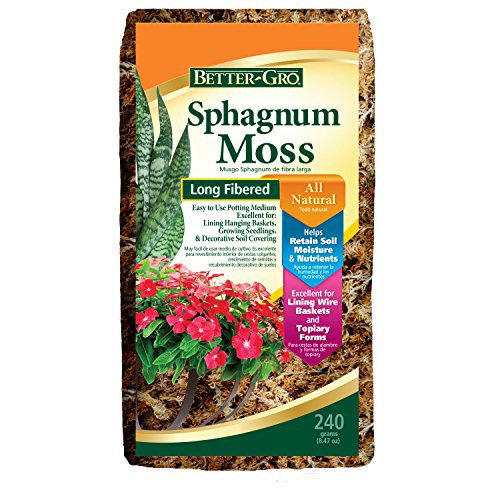
3 Apply a layer of organic mulch or sphagnum moss around the base to help retain soil moisture and prevent future rapid evaporation.
warning

Root Rot (Phytophthora)

While they love moisture, excessive waterlogging in heavy soils deprives roots of oxygen. This leads to fungal decay which prevents the plant from transporting water upward, causing leaves to wilt despite wet soil.

Common
lightbulb
How to confirm: Gently lift a small section of the root ball to see if the roots are dark, slimy, or emitting a foul odor.
build How to fix it
shopping_cart Recommended Products
1 Immediately stop watering and allow the soil to dry out significantly to stop the spread of Phytophthora.
2 Repot the plant in a well-draining, airy medium by mixing in horticultural perlite to improve oxygen to the roots.
3 Prune away any mushy, blackened, or foul-smelling roots using sterilized shears to prevent further decay.
warning

Heat Stress and Solar Scorch

Mountain Hydrangeas thrive in dappled shade; excessive direct afternoon sun can cause leaf temperature to rise too high, leading to wilting as the plant attempts to cool itself through transpiration.

Common
lightbulb
How to confirm: Observe if the drooping occurs specifically during the hottest part of the day and recovers after sunset.
build How to fix it
shopping_cart Recommended Products
1 Move the plant to a location with dappled shade or filtered light to protect leaves from direct afternoon sun.
2 Monitor soil moisture levels closely to ensure the plant remains hydrated during heat waves, using a moisture meter to prevent dehydration.
3 Apply a mulch layer around the base of the plant to help regulate soil temperature and retain moisture.
warning

Temperature Fluctuations

Sudden drops in temperature or frost can damage the vascular tissue of the serrata species, disrupting the upward flow of nutrients and water.

Common
lightbulb
How to confirm: Check for any dark, necrotic patches on the edges of the drooping leaves that might indicate cellular damage from cold.
build How to fix it
shopping_cart Recommended Products
1 Protect the plant from further temperature swings by moving it to a sheltered location or bringing it indoors if it is in a container.
2 Apply a microbial-based fertilizer to help the plant recover from environmental stress and support root zone development.
3 Monitor soil moisture levels closely to ensure the plant remains hydrated without becoming waterlogged during its recovery phase.

Other Hydrangea serrata problems

Your plant might also be experiencing one of these issues:

local_hospital All symptoms eco All plants with drooping leaves
favorite