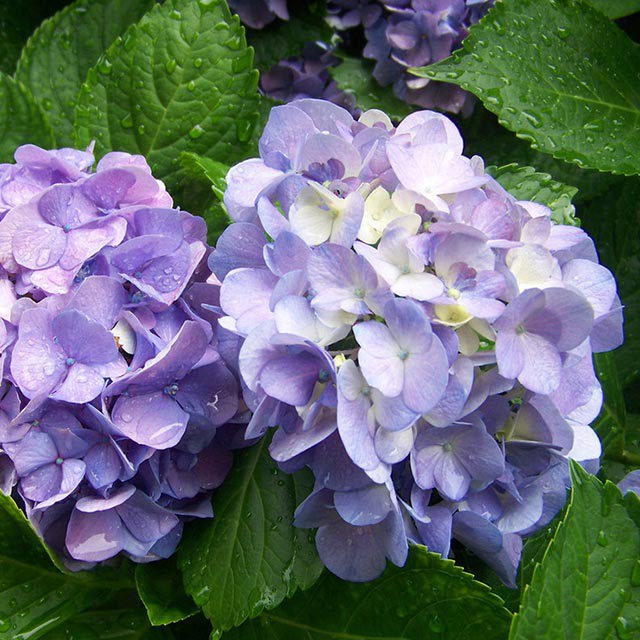
Why does your Hydrangea serrata have yellow leaves? Diagnose the cause and fix it with our step-by-step guide.
In acidic-loving plants like Hydrangea serrata, high soil pH prevents the uptake of iron. This results in interveinal chlorosis where leaf veins remain green while the rest of the tissue turns yellow.
Hydrangeas require consistent moisture, but stagnant water in heavy soil leads to hypoxia. This prevents root respiration, causing the leaves to lose chlorophyll and turn a uniform yellow.
A lack of available nitrogen in the soil prevents the production of chlorophyll. Unlike iron chlorosis, this typically presents as a uniform yellowing starting from the older, bottom leaves.
Hydrangea serrata is sensitive to heat stress and sudden cold snaps. Rapid temperature changes can shock the plant's metabolic processes, leading to leaf yellowing and potential wilting.
Your plant might also be experiencing one of these issues:

 English
 Italiano