Kalanchoe Taranta Pink Sudden Leaf Drop
eco Sudden Leaf Drop

Kalanchoe Taranta Pink – Sudden Leaf Drop

Why does your Kalanchoe Taranta Pink have sudden leaf drop? Diagnose the cause and fix it with our step-by-step guide.

search Possible Causes

error

Overwatering and Root Rot

Kalanchoe taranta are succulents that store water in their leaves; excessive moisture causes the root system to decay, preventing the plant from supporting its foliage. This leads to a sudden loss of leaves as the plant enters survival mode.

Very Common
lightbulb
How to confirm: Gently pull a leaf to see if it detaches easily and check if the stems or roots feel soft and mushy.
build How to fix it
shopping_cart Recommended Products
1 Immediately remove the plant from its current pot and inspect the roots; trim away any mushy, black, or foul-smelling roots using sterilized tools.
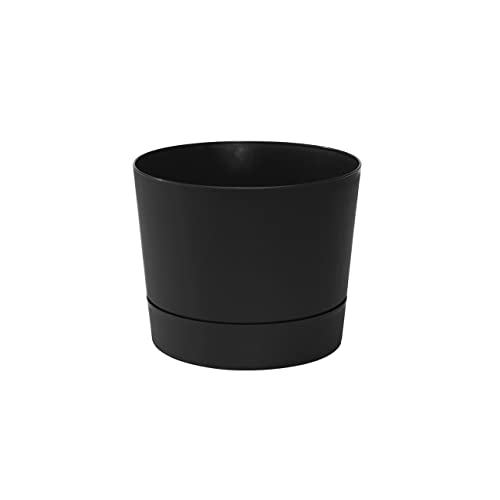
2 Repot the Kalanchoe in a fresh, well-draining succulent mix and use a container with excellent drainage, such as a Root & Vessel cylinder pot, to prevent future water pooling.
3 Use a moisture meter to monitor the soil, ensuring you only water when the substrate is completely dry to avoid repeating the overwatering cycle.
error

Temperature Shock or Cold Drafts

This species is sensitive to sudden drops in temperature, especially below 50°F (10°C). Exposure to cold windows or air conditioning drafts can trigger a stress response resulting in rapid leaf abscission.

Very Common
lightbulb
How to confirm: Check if the plant is positioned near a drafty window or an AC vent.
build How to fix it
shopping_cart Recommended Products
1 Immediately move your Kalanchoe to a warmer, stable environment away from drafty windows or air conditioning vents, ensuring temperatures remain consistently above 50°F.
2 Monitor the soil moisture closely to ensure the plant isn't also suffering from overwatering during this period of stress, using a moisture meter for accuracy.
3 If the plant shows signs of recovery, you can provide a gentle boost with a liquid seaweed fertilizer to help it overcome environmental stress.
warning

Inadequate Light Intensity

A sudden move to a low-light area prevents the plant from photosynthesizing enough energy to maintain its thick, velvety leaves. The plant will shed older leaves to conserve resources for the core stem.

Common
lightbulb
How to confirm: Observe if the remaining leaves are stretching (etiolation) or if the plant has recently been moved to a darker corner.
build How to fix it
shopping_cart Recommended Products
1 Relocate your Kalanchoe to a spot with much brighter, indirect sunlight to restore its ability to photosynthesize.
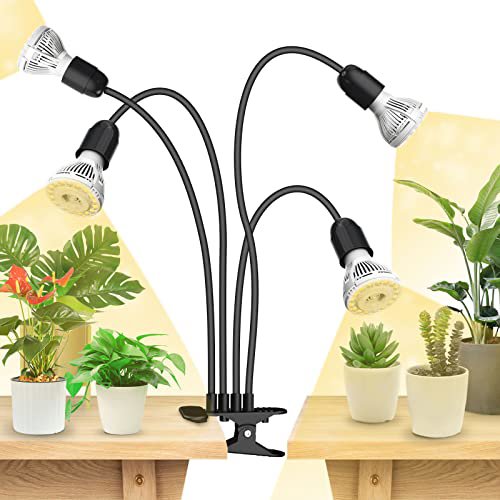
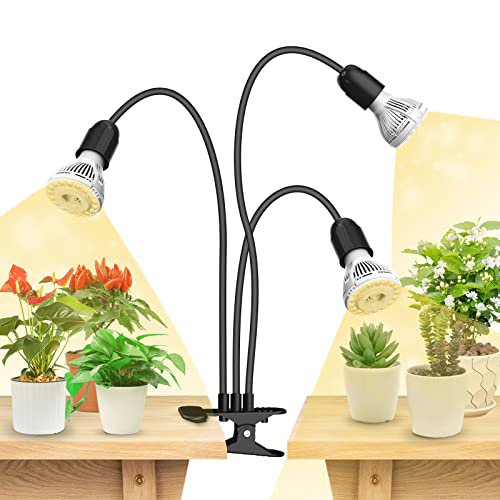
2 If natural light is insufficient, supplement with a full-spectrum LED grow light to provide the necessary intensity for leaf maintenance.
3 Monitor the soil moisture closely during this transition, as light changes can alter evaporation rates.
warning

Pest Infestation (Mealybugs or Scale)

Sap-sucking insects like mealybugs can drain the energy from the Kalanchoe's succulent tissues so rapidly that the plant drops leaves to mitigate damage. This often occurs when the plant is already under environmental stress.

Common
lightbulb
How to confirm: Inspect the leaf axils and the undersides of leaves for small, white cottony spots or hard bumps.
build How to fix it
shopping_cart Recommended Products
1 Inspect the undersides of leaves and stem joints for white, cottony mealybug clusters or hard, brown scale insects.
2 Apply an organic insecticide spray to the entire plant, ensuring you coat the crevices where pests hide, to eliminate existing insects and larvae.
3 Isolate the plant from others and check soil moisture with a meter to ensure the plant is not also suffering from overwatering stress.

Other Kalanchoe Taranta Pink problems

Your plant might also be experiencing one of these issues:

local_hospital All symptoms eco All plants with sudden leaf drop
favorite