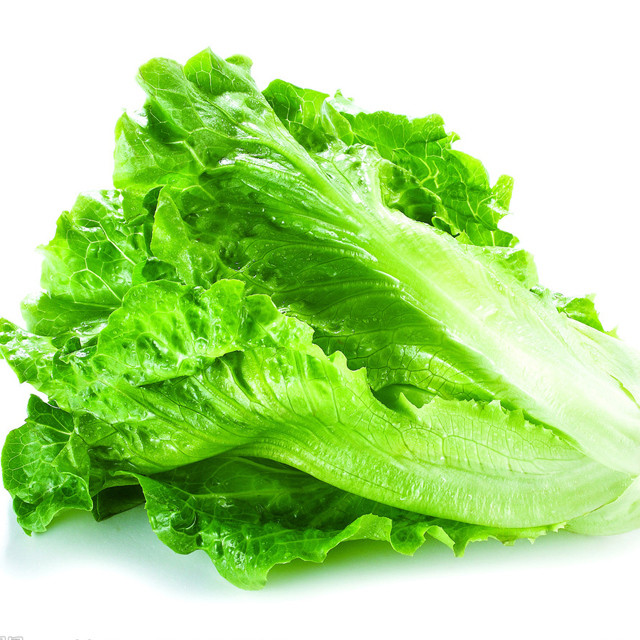
Lactuca sativa ramosa Brown Leaf Tips
eco Brown Leaf Tips

Lactuca sativa ramosa – Brown Leaf Tips

Why does your Lactuca sativa ramosa have brown leaf tips? Diagnose the cause and fix it with our step-by-step guide.

pets Pet Friendly

search Possible Causes

error

Tip Burn

This is a common physiological disorder in lettuce caused by calcium deficiency in the developing leaf margins. It often occurs when transpiration is restricted due to high humidity or rapid growth, preventing calcium from reaching the growing tips.

Very Common
lightbulb
How to confirm: Check if the browning is localized strictly to the edges of young, inner leaves during periods of high humidity or heat.
build How to fix it
shopping_cart Recommended Products
1 Apply a calcium supplement to the soil to address the physiological deficiency and strengthen cell walls.
2 Improve airflow around the plant and reduce humidity to facilitate better transpiration and calcium transport.
3 Ensure consistent soil moisture levels to prevent growth spurts that outpace nutrient uptake.
error

Salt Accumulation (Salinity Stress)

Excessive buildup of mineral salts in the growing medium can cause osmotic stress. This leads to dehydration of the leaf margins, resulting in characteristic brown, crispy edges on the lettuce leaves.

Very Common
lightbulb
How to confirm: Flush the soil with fresh water and check if a white crust is visible on the soil surface or pot edges.
build How to fix it
shopping_cart Recommended Products
1 Flush the growing medium thoroughly with large amounts of fresh, distilled, or low-mineral water to leach out accumulated mineral salts.
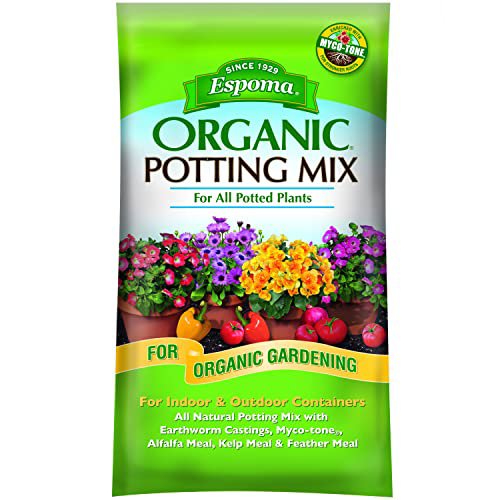
2 Repot the lettuce in fresh, high-quality potting soil to provide a clean environment free of salt buildup.
3 Monitor soil moisture levels closely using a moisture meter to ensure consistent hydration and prevent future salt concentration.
warning

Water Stress (Drought)

Inconsistent watering cycles cause the plant to lose moisture faster than it can be replaced. In branching lettuce, this manifests as necrotic, crispy brown tips on the older, outer leaves.

Common
lightbulb
How to confirm: Check the moisture level of the substrate 2 inches below the surface to see if it has become bone dry.
build How to fix it
shopping_cart Recommended Products
1 Check the soil moisture level immediately using a moisture meter to determine if the root zone has reached a critical dry point.
2 Establish a consistent watering schedule to prevent the plant from undergoing repeated drought cycles, ensuring the soil remains evenly moist.
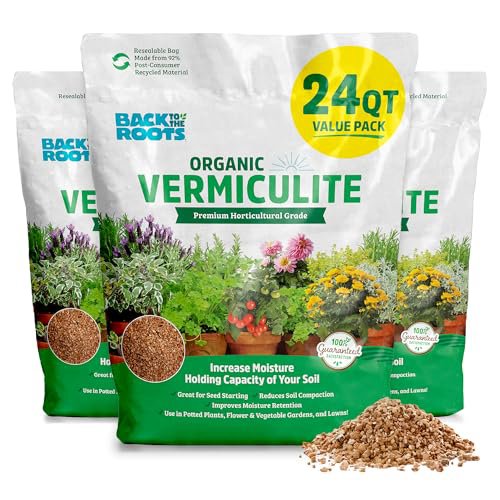
3 Apply a mulch layer or use a moisture-retaining substrate like vermiculite to help the soil hold water longer between feedings.
warning

Nitrogen Deficiency

While nitrogen deficiency usually causes overall yellowing (chlorosis), severe depletion can lead to necrosis of the leaf tips as the plant mobilizes nutrients to newer growth.

Common
lightbulb
How to confirm: Observe if the browning is accompanied by a general pale green or yellow color across the entire leaf blade.
build How to fix it
shopping_cart Recommended Products
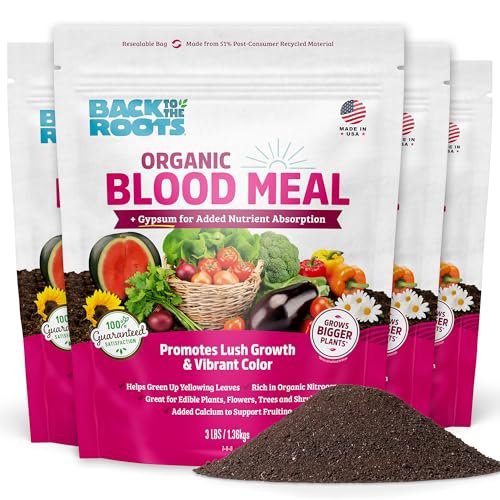
1 Apply a nitrogen-rich organic fertilizer to replenish the soil nutrients and stop the progression of necrosis.
2 Monitor the soil moisture levels using a moisture meter to ensure consistent hydration, as drought stress can exacerbate tip burn.
3 Ensure the plant is receiving adequate light, but avoid extreme heat which can cause physiological tip burn in lettuce.

Other Lactuca sativa ramosa problems

Your plant might also be experiencing one of these issues:

local_hospital All symptoms eco All plants with brown leaf tips
favorite