Lactuca sativa ramosa Leggy Stems
eco Leggy Stems

Lactuca sativa ramosa – Leggy Stems

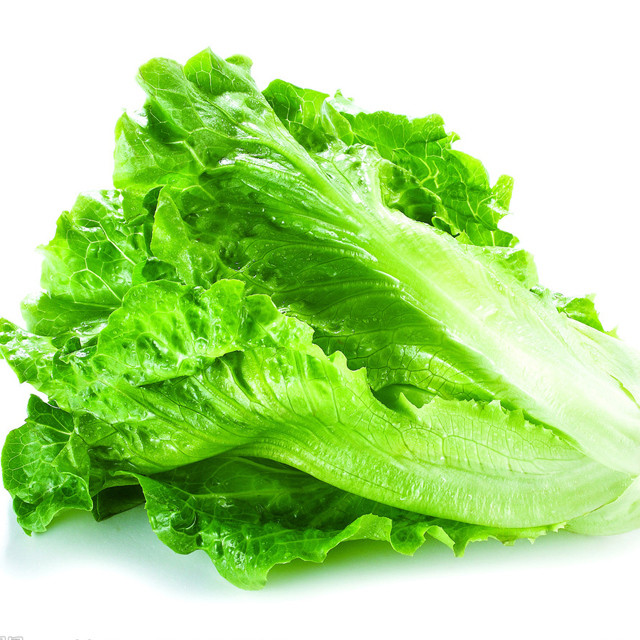
Why does your Lactuca sativa ramosa have leggy stems? Diagnose the cause and fix it with our step-by-step guide.

pets Pet Friendly

search Possible Causes

error

Insufficient Light Intensity

Lettuce is a light-demanding crop; when photon density is too low, the plant undergoes etiolation, rapidly elongating stems to search for light sources. This results in weak, spindly growth and larger internodes.

Very Common
lightbulb
How to confirm: Observe if the plants are leaning toward a window or if there is a noticeable gap between leaf nodes.
build How to fix it
shopping_cart Recommended Products
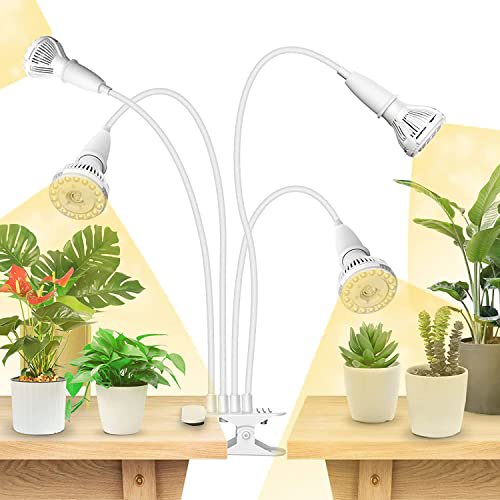
1 Increase light intensity by placing the lettuce closer to a light source or providing supplemental lighting to prevent further etiolation.
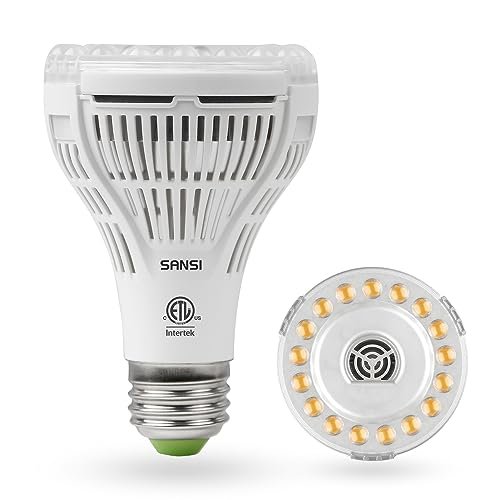
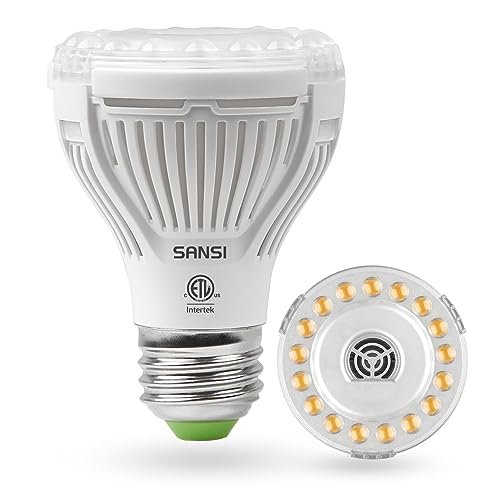
2 Utilize a full-spectrum grow light to ensure the plant receives the necessary photon density for healthy, compact growth.
3 Prune any excessively weak or spindly stems that cannot support themselves to redirect energy to new, healthier growth.
error

High Ambient Temperature

Warm growing conditions, especially during the night, can trigger physiological responses similar to bolting, causing accelerated stem elongation. This often occurs in summer months when lettuce prefers cool temperatures.

Very Common
lightbulb
How to confirm: Check if recent nighttime temperatures have consistently exceeded 20°C (68°F).
build How to fix it
shopping_cart Recommended Products
1 Move your lettuce to a cooler location or provide shade to reduce heat stress and prevent further stem elongation.
2 Supplement with supplemental lighting if the leggy growth is due to insufficient light intensity, using a full-spectrum bulb to encourage compact growth.
3 Monitor soil temperature and moisture levels closely to ensure the roots remain cool and hydrated during heat waves.
warning

Nitrogen-Heavy Nutrient Imbalance

An excess of nitrogen in the growing medium can promote rapid vegetative growth, leading to succulent, elongated stems that lack structural integrity. This is common in overly fertilized hydroponic or compost-rich soils.

Common
lightbulb
How to confirm: Test your nutrient solution or soil for high nitrate levels and check if the leaves are an unnaturally dark green.
build How to fix it
shopping_cart Recommended Products
1 Flush the growing medium with plain, pH-balanced water to leach out excess nitrogen salts from the root zone.
2 Transition to a balanced or lower-nitrogen fertilizer to support structural strength and prevent further elongation.
3 Increase supplemental lighting intensity or duration to encourage more compact, sturdy growth.
warning

Excessive Water Availability

While lettuce needs moisture, overly saturated growing media can lead to soft, rapid cell expansion. This lack of environmental stress allows for uncontrolled stem stretching without the development of structural cellulose.

Common
lightbulb
How to confirm: Press your finger into the substrate to see if it remains saturated long after a watering session.
build How to fix it
shopping_cart Recommended Products
1 Reduce watering frequency to allow the growing medium to dry out between sessions, preventing the soft, rapid cell expansion caused by saturation.
2 Increase light intensity or duration to provide the necessary environmental stress and energy for structural stem development.
3 Ensure the plant is in a well-draining medium; consider amending your current soil with perlite to improve aeration and prevent waterlogging.

Other Lactuca sativa ramosa problems

Your plant might also be experiencing one of these issues:

local_hospital All symptoms eco All plants with leggy stems
favorite