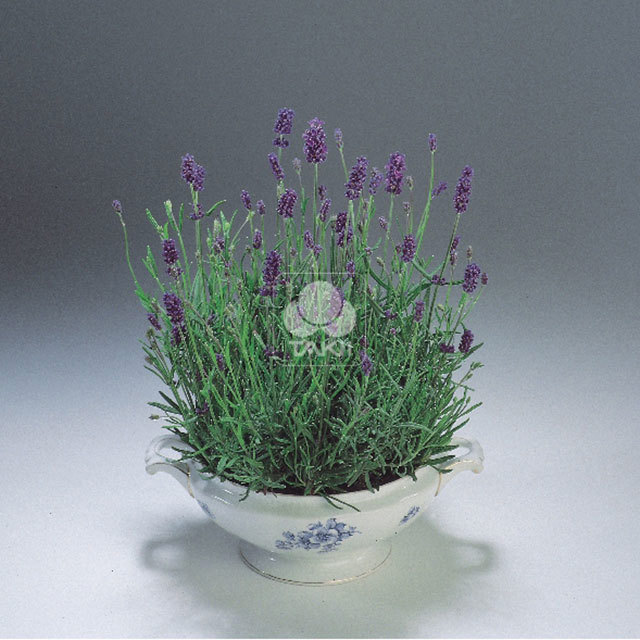
Lavandula angustifolia Blue River Leggy Stems
eco Leggy Stems

Lavandula angustifolia Blue River – Leggy Stems

Why does your Lavandula angustifolia Blue River have leggy stems? Diagnose the cause and fix it with our step-by-step guide.

pets Pet Friendly

search Possible Causes

error

Insufficient Sunlight

Lavender is a heliophyte requiring full sun (at least 6-8 hours). Lack of intense light causes etiolation, where the plant stretches its stems toward any available light source to maximize photosynthesis.

Very Common
lightbulb
How to confirm: Observe if the plant is located in a shaded area or if nearby foliage is blocking direct sunlight from hitting the center of the bush.
build How to fix it
shopping_cart Recommended Products
1 Relocate your lavender to a location that receives at least 6 to 8 hours of direct, intense sunlight daily to stop stems from stretching.
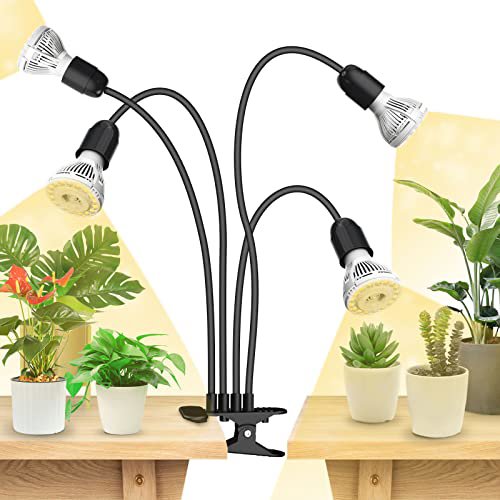
2 If natural sunlight is unavailable, supplement with a high-intensity grow light to provide the necessary light spectrum for photosynthesis.
3 Prune back the elongated, leggy stems to encourage bushier growth and more compact structure.
error

Excessive Nitrogen Fertilization

High levels of nitrogen promote rapid, succulent vegetative growth at the expense of structural integrity. This results in long, weak, 'floppy' stems that lack the woody strength characteristic of healthy English Lavender.

Very Common
lightbulb
How to confirm: Check if you have recently applied a high-nitrogen fertilizer or used compost that is very rich in organic matter.
build How to fix it
shopping_cart Recommended Products
1 Stop all nitrogen-rich fertilization immediately to prevent further succulent growth and allow the plant to stabilize.
2 Prune back the long, weak stems to encourage denser, woodier growth and improve structural integrity.
3 Flush the soil with water to leach out excess nitrogen salts from the root zone.
warning

Lack of Regular Pruning

Without periodic pruning of the flowering stems, the center of 'Blue River' can become woody and sparse, with new growth stretching out to find space. This leads to a loss of the compact, mounding habit essential for this cultivar.

Common
lightbulb
How to confirm: Inspect the base of the plant to see if there is an accumulation of old, woody growth that hasn't been cut back in several seasons.
build How to fix it
shopping_cart Recommended Products
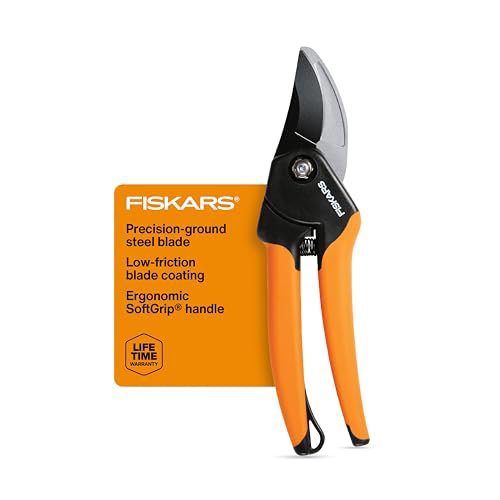
1 Use sharp pruning shears to trim back the leggy, elongated stems, cutting just above a leaf node to encourage new, compact growth from the base.
2 Thin out the woody, sparse center of the plant to improve airflow and prevent the plant from becoming too dense and unproductive.
3 Ensure the plant receives full sunlight to prevent future stretching and maintain its characteristic mounding habit.
warning

Overwatering and Poor Drainage

While leggy stems are primarily a light issue, high moisture levels can cause soft, rapid growth. If the root system is struggling due to damp soil, the plant may produce weak, spindly shoots that lack vigor.

Common
lightbulb
How to confirm: Feel the soil depth; if it remains saturated for days after watering, the drainage in your container or garden bed is likely insufficient.
build How to fix it
shopping_cart Recommended Products
1 Improve drainage by repotting the lavender in a well-draining medium, incorporating perlite or horticultural grit to prevent moisture retention.
2 Monitor soil moisture levels closely using a moisture meter to ensure the soil is allowed to dry out significantly between waterings.
3 Increase light exposure by moving the plant to a brighter location or using a full-spectrum grow light to strengthen the stems.

Other Lavandula angustifolia Blue River problems

Your plant might also be experiencing one of these issues:

local_hospital All symptoms eco All plants with leggy stems
favorite