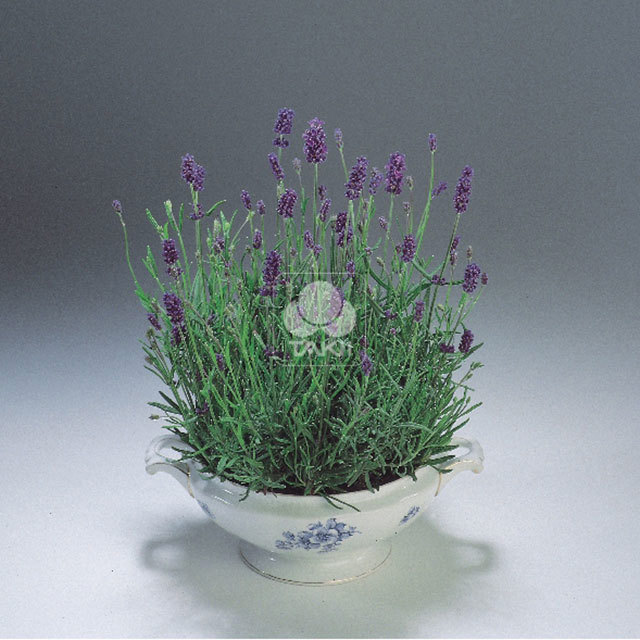
Lavandula angustifolia Blue River White Powder
eco White Powder

Lavandula angustifolia Blue River – White Powder

Why does your Lavandula angustifolia Blue River have white powder? Diagnose the cause and fix it with our step-by-step guide.

pets Pet Friendly

search Possible Causes

error

Powdery Mildew (Podosphaera lavandulae)

This fungal pathogen thrives in high humidity and poor air circulation around the dense foliage of 'Blue River' lavender. It forms a characteristic white, talcum-like coating on leaves and flower buds, which can eventually lead to leaf necrosis.

Very Common
lightbulb
How to confirm: Inspect the underside of leaves and look for a fuzzy, white fungal patch that can be rubbed off with your finger.
build How to fix it
shopping_cart Recommended Products
1 Apply an organic fungicide to the affected foliage to eliminate the existing fungal spores and prevent further spread.
2 Improve air circulation around the plant by pruning dense areas and ensuring it is not crowded by other plants.
3 Reduce humidity around the lavender by avoiding overhead watering and ensuring the soil surface dries between waterings.
warning

Mealybugs

These small, soft-bodied insects secrete a white, waxy substance to protect themselves, which can appear as cottony white clumps on the stems and leaf axils of lavender. They feed on plant sap, causing leaves to yellow or wilt.

Common
lightbulb
How to confirm: Use a magnifying glass to look for tiny, slow-moving insects nestled within the white waxy patches.
build How to fix it
shopping_cart Recommended Products
1 Isolate the lavender plant from other greenery and use a cotton swab dipped in rubbing alcohol to manually remove the visible white waxy clusters from stems and leaf axils.
2 Apply an organic insecticide spray to the entire plant, ensuring you coat the undersides of leaves and crevices where mealybugs hide, to eliminate remaining insects and larvae.
3 Monitor the plant's soil moisture levels to ensure the plant is not overwatered, as excess moisture can create a humid environment conducive to pest's survival.
warning

Mineral Deposits (Salt Buildup)

If you are using hard water or high-salt fertilizers, white crusty deposits can form on the leaf surfaces or at the soil line. Unlike fungal mildew, these deposits are crystalline and do not spread across the plant tissue.

Common
lightbulb
How to confirm: Check if the white substance is hard/crusty and remains in a fixed position even after light rain or watering.
build How to fix it
shopping_cart Recommended Products
1 Gently wipe the leaves with a soft, damp cloth to remove the crystalline mineral deposits from the plant surface.
2 Flush the soil thoroughly with distilled water or rainwater to leach out accumulated mineral salts from the root zone.
3 Switch to a low-salt fertilizer and use a moisture meter to ensure you are not overwatering, which can exacerbate salt accumulation.

Other Lavandula angustifolia Blue River problems

Your plant might also be experiencing one of these issues:

local_hospital All symptoms eco All plants with white powder
favorite