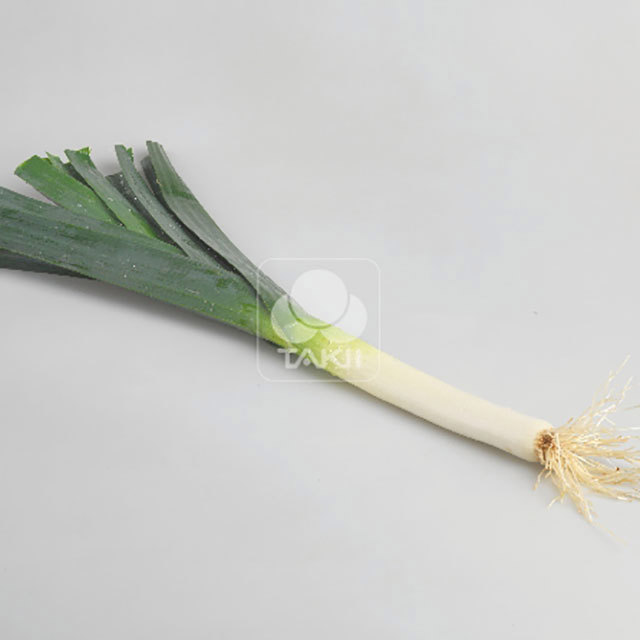
Leek Mako Flash F1 Brown Leaf Tips
eco Brown Leaf Tips

Leek Mako Flash F1 – Brown Leaf Tips

Why does your Leek Mako Flash F1 have brown leaf tips? Diagnose the cause and fix it with our step-by-step guide.

search Possible Causes

error

Salt Accumulation (Salinity Stress)

Leeks are sensitive to high levels of soluble salts in the soil or irrigation water. Excess sodium or chloride accumulates at the leaf margins, causing the tips of the Mako Flash blades to desiccate and turn brown.

Very Common
lightbulb
How to confirm: Check if you have recently applied high-nitrogen fertilizers or if your water source has high mineral content.
build How to fix it
shopping_cart Recommended Products
1 Flush the soil thoroughly with large amounts of fresh, low-salt water to leach accumulated mineral salts away from the root zone.
2 Monitor soil moisture levels closely to ensure the leaching process does not lead to waterlogging, using a moisture meter to maintain optimal hydration.
3 Amend the soil with organic matter like worm castings to improve soil structure and help buffer against future salt buildup.
error

Nitrogen Deficiency

While Mako Flash F1 is bred for vigor, insufficient nitrogen levels can cause marginal necrosis. As the plant prioritizes new growth, older leaf tips may brown due to lack of mobile nutrient availability.

Very Common
lightbulb
How to confirm: Observe if the browning is accompanied by a general pale green or yellowish color in the lower leaves.
build How to fix it
shopping_cart Recommended Products
1 Apply a nitrogen-rich liquid fertilizer to provide immediate nutrient availability to the plant.
2 Incorporate an organic soil amendment like blood meal into the growing medium to ensure a sustained release of nitrogen.
3 Monitor soil moisture levels using a moisture meter to ensure nitrogen uptake is not being hindered by water stress.
warning

Anthracnose (Colletotrichum spp.)

This fungal pathogen can cause necrotic lesions that often start at the tips of the leek leaves. In high humidity, these brown spots may expand into larger blotches along the blade.

Common
lightbulb
How to confirm: Inspect the brown areas for any sunken lesions or small black fungal fruiting bodies (acervuli).
build How to fix it
shopping_cart Recommended Products
1 Remove and destroy all infected plant material and debris to prevent the fungal spores from spreading to healthy leeks.
2 Apply an organic fungicide to protect remaining healthy tissue from further lesion expansion.
3 Improve air circulation and reduce humidity around the plants by spacing them properly and avoiding overhead watering.
warning

Low Humidity/Drought Stress

Leeks have a high water content and are sensitive to rapid transpiration. If the environment is too dry or soil moisture fluctuates significantly, the fine tips of the Mako Flash leaves will dry out first.

Common
lightbulb
How to confirm: Check the consistency of your irrigation schedule and ensure the growing medium stays moist but well-drained.
build How to fix it
shopping_cart Recommended Products
1 Monitor soil moisture levels closely using an analog meter to ensure consistent hydration and prevent drought stress.
2 Increase ambient humidity around the leeks by using a pebble tray or misting the area to reduce transpiration rates.
3 Apply a consistent watering schedule to prevent the rapid moisture fluctuations that cause tip burn.

Other Leek Mako Flash F1 problems

Your plant might also be experiencing one of these issues:

local_hospital All symptoms eco All plants with brown leaf tips
favorite