Leek Mako Flash F1 Tiny Black Flies
eco Tiny Black Flies

Leek Mako Flash F1 – Tiny Black Flies

Why does your Leek Mako Flash F1 have tiny black flies? Diagnose the cause and fix it with our step-by-step guide.

search Possible Causes

error

Fungus Gnats (Sciaridae)

The tiny black flies are likely fungus gnats, whose larvae live in the moist organic matter around leek roots and feed on decaying plant material or root fine hairs. High soil moisture levels required for leeks provide an ideal breeding ground for these pests.

Very Common
lightbulb
How to confirm: Set a yellow sticky trap near the base of the leeks to confirm the presence of flying adults.
build How to fix it
shopping_cart Recommended Products
1 Deploy yellow sticky traps to capture the adult flying gnats and break the breeding cycle.
2 Reduce watering frequency and allow the top inch of soil to dry out to eliminate the moist environment larvae need to survive.
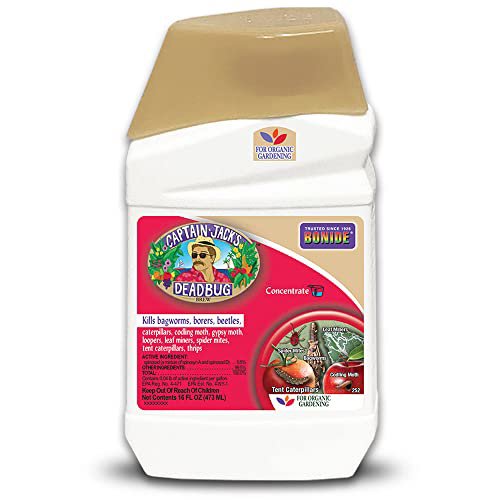
3 Apply a biological control or organic insecticide to target the larvae in the soil.
warning

Blackberry/Black Bean Weevil (or similar soil-dwelling Coleoptera)

Certain small dark beetles can be mistaken for flies; they inhabit the soil and may attack the tender base of young Leek Mako Flash F1 seedlings. While less common than gnats, their presence often correlates with high humidity in the planting bed.

Common
lightbulb
How to confirm: Gently tap a clump of soil over a white paper towel to see if small dark insects fall out.
build How to fix it
shopping_cart Recommended Products
1 Apply an organic insecticide to eliminate the adult beetles and larvae inhabiting the soil.
2 Reduce soil moisture and humidity levels to make the planting environment less attractive to soil-dwelling beetles.
3 Inspect the base of the seedlings for damage and remove any heavily infested soil or plant debris.
warning

Drosophila (Fruit Flies)

If the leek crop is experiencing early signs of rot or fermentation due to overwatering, fruit flies may be attracted to the decaying organic matter at the soil surface. This is an indirect symptom of poor drainage rather than a direct attack on the leek tissue.

Common
lightbulb
How to confirm: Check if there are any fermented or mushy patches in the soil around the Leek Moli/Mako base.
build How to fix it
shopping_cart Recommended Products
1 Reduce watering frequency and ensure the soil surface dries out between waterings to eliminate the fermenting organic matter attracting flies.
2 Apply a biological control like a fruit fly trap or organic spray to manage the current adult fly population.
3 Improve soil aeration and drainage by mixing in horticultural perlite to prevent future anaerobic conditions and rot.

Other Leek Mako Flash F1 problems

Your plant might also be experiencing one of these issues:

local_hospital All symptoms eco All plants with tiny black flies
favorite