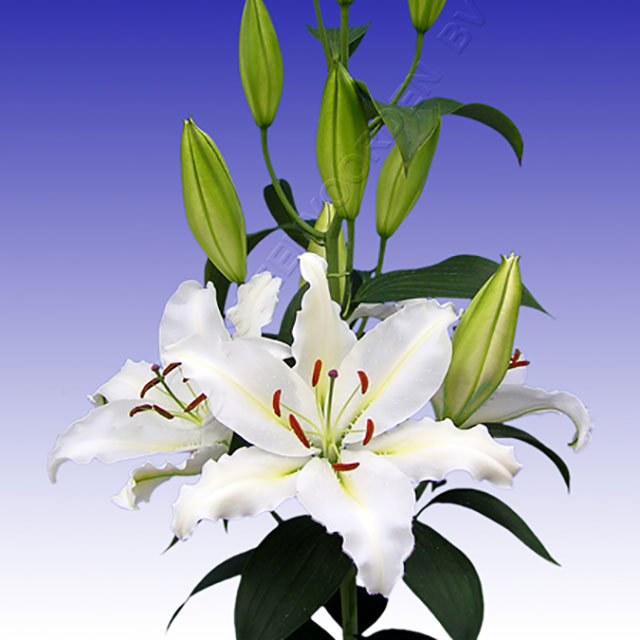
Why does your Lilium orientalis Alma Ata have white cottony spots? Diagnose the cause and fix it with our step-by-step guide.
These small, soft-bodied insects secrete a white, waxy substance that looks like cottony tufts, often found in the crevices of Oriental lily petals or leaf axils. They suck sap from the plant, which can lead to stunted growth and petal distortion in 'Alma Ata' cultivars.
A fungal pathogen that manifests as white, flour-like patches on the surfaces of lily leaves and occasionally stems. High humidity and poor air circulation around the dense foliage of Oriental lilies create the perfect environment for this fungus to thrive.
While primarily known for causing brown rot, in its early stages or under specific humidity levels, Botrytis can present as fuzzy, light-colored patches on the delicate petals of Oriental lilies. This fungus thrives in the moist microclimate created by the large, fragrant blooms of 'Alma Ata'.
Your plant might also be experiencing one of these issues:

 English
 Italiano