Lilium orientalis Lake Michigan Tiny Black Flies
eco Tiny Black Flies

Lilium orientalis Lake Michigan – Tiny Black Flies

Why does your Lilium orientalis Lake Michigan have tiny black flies? Diagnose the cause and fix it with our step-by-step guide.

search Possible Causes

error

Fungus Gnats (Sciaridae)

The tiny black flies are likely fungus gnat adults, which breed in the moist organic matter of lily potting soil. Their larvae feed on decaying plant material and can damage the delicate root hairs of Oriental Lilies, leading to nutrient deficiency.

Very Common
lightbulb
How to confirm: Place a yellow sticky trap near the base of the lily to confirm the presence of flying adults.
build How to fix it
shopping_cart Recommended Products
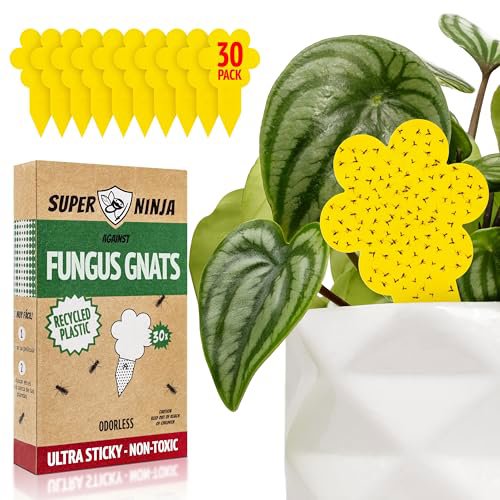
1 Deploy yellow sticky traps to capture adult fungus gnats and interrupt their breeding cycle.
2 Reduce watering frequency and allow the top inch of soil to dry out completely to eliminate the moist environment larvae need to thrive.
3 Apply a microbial-based treatment or organic drench to target larvae in the soil and promote a healthier root zone.
error

Excessive Soil Moisture

Oriental Lilies prefer well-drained soil; however, if the medium remains saturated, it creates the perfect breeding ground for fungus gnats. Persistent moisture also increases the risk of Botrytis blight in 'Lake Michigan' blooms.

Very Common
lightbulb
How to confirm: Insert your finger two inches into the soil to check if it remains damp long after watering.
build How to fix it
shopping_cart Recommended Products
1 Reduce watering frequency and allow the top inch of soil to dry out completely to disrupt the fungus gnat breeding cycle.
2 Apply yellow sticky traps near the soil surface to capture and remove adult flies from the plant environment.
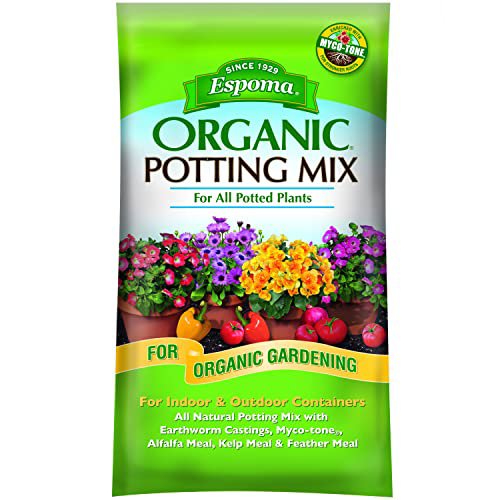
3 Amend the existing potting medium with perlite to improve drainage and prevent the soil from remaining saturated.
warning

High Organic Matter Content

A potting mix too rich in uncomposted peat or compost can attract flies looking for organic food sources. While lilies love nutrients, overly decomposed material provides the ideal substrate for insect larvae.

Common
lightbulb
How to confirm: Examine if the soil surface looks particularly dark, spongy, or contains visible bits of decomposing mulch.
build How to fix it
shopping_cart Recommended Products
1 Apply a biological control to eliminate the adult flies and larvae by using an organic insecticide spray.
2 Reduce the organic food source by repotting the lily in a fresh, well-draining potting mix with less compost.
3 Place yellow sticky traps near the soil surface to capture emerging adult flies and monitor the infestation.

Other Lilium orientalis Lake Michigan problems

Your plant might also be experiencing one of these issues:

local_hospital All symptoms eco All plants with tiny black flies
favorite