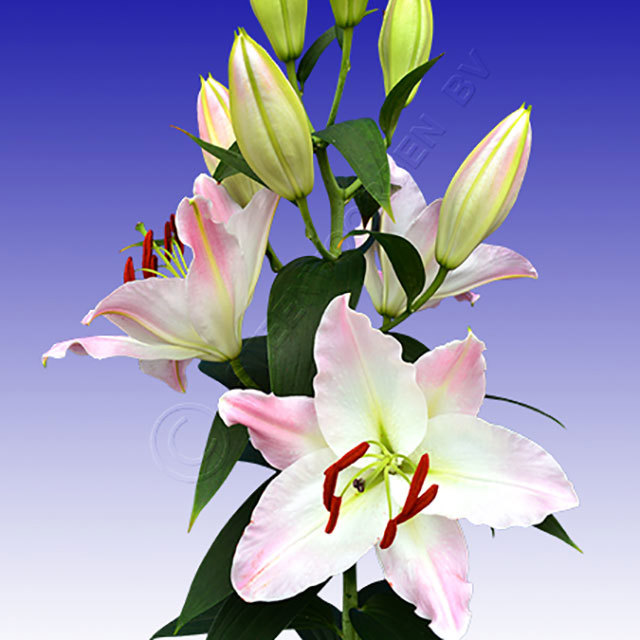
Lilium orientalis Lake Michigan Yellow Leaves
eco Yellow Leaves

Lilium orientalis Lake Michigan – Yellow Leaves

Why does your Lilium orientalis Lake Michigan have yellow leaves? Diagnose the cause and fix it with our step-by-step guide.

search Possible Causes

error

Botrytis Lilianum (Lily Blight)

This fungal pathogen thrives in the humid microclimates often found around large-flowered Oriental lilies. It typically causes leaves to turn yellow and eventually brown, often accompanied by visible gray mold patches.

Very Common
lightbulb
How to confirm: Check for fuzzy gray fungal growth on the undersides of the yellowing leaves or on flower petals.
build How to fix it
shopping_cart Recommended Products
1 Immediately remove and destroy all infected leaves and flower buds to prevent the spread of fungal spores through the garden.
2 Apply an organic fungicide to the remaining healthy plant tissue to control the spread of the blight.
3 Improve air circulation around the lilies and avoid overhead watering to reduce the humidity that allows Botrytis to thrive.
error

Nitrogen Deficiency

Oriental lilies are heavy feeders during their bulb development phase. A lack of nitrogen prevents chlorophyll production, causing older, lower leaves to turn uniformly pale yellow before the plant progresses to flowering.

Very Common
lightbulb
How to confirm: Observe if the yellowing starts on the oldest bottom leaves while the new growth remains green.
build How to fix it
shopping_cart Recommended Products
1 Apply a nitrogen-rich liquid fertilizer to boost chlorophyll production and support bulb development.
2 Supplement the soil with organic worm castings to provide a slow-release source of nitrogen and beneficial microbes.
3 Monitor soil moisture levels regularly to ensure the nitrogen is being effectively absorbed by the roots.
error

Overwatering and Root Rot

Lilium orientalis bulbs are highly susceptible to moisture-induced decay. Excessive soil moisture deprives roots of oxygen, leading to yellowing foliage as the compromised root system fails to transport nutrients.

Very Common
lightbulb
How to confirm: Gently lift a portion of the soil to see if the bulb is firm or if it feels soft and emits an unpleasant odor.
build How to fix it
shopping_cart Recommended Products
1 Immediately stop watering and allow the soil to dry out completely to prevent further root decay.
2 Repot the lily in a well-draining medium, incorporating perlite or horticultural grit to improve aeration and prevent future waterlogging.
3 Inspect the roots and prune away any mushy, dark, or foul-smelling rot, then transplant into a pot with a drainage tray.
warning

Lilium Leaf Spot (Stemphylium)

This fungal disease causes chlorosis (yellowing) that often surrounds dark, necrotic spots on the leaf blade. It is common in lilies grown in areas with poor air circulation.

Common
lightbulb
How to confirm: Inspect the yellowed areas for small, dark brown or black spots centered within the yellow zones.
build How to fix it
shopping_cart Recommended Products
1 Remove and discard all heavily infected or yellowing leaves to prevent the fungal spores from spreading to healthy foliage.
2 Apply an organic fungicide to control the spread of the Stemphylium fungus and protect remaining healthy leaves.
3 Improve air circulation around the plant by pruning nearby foliage and ensuring the lilies are not overcrowded in their container or garden bed.

Other Lilium orientalis Lake Michigan problems

Your plant might also be experiencing one of these issues:

local_hospital All symptoms eco All plants with yellow leaves
favorite