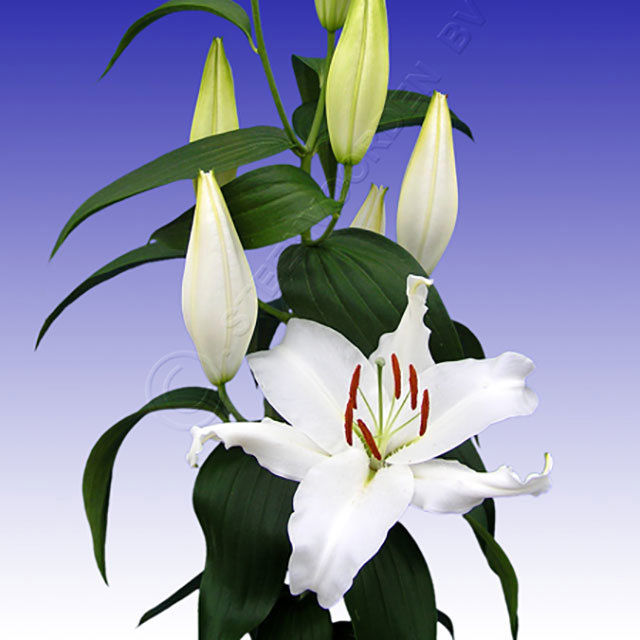
Lilium orientalis Mothers Choice Drooping Leaves
eco Drooping Leaves

Lilium orientalis Mothers Choice – Drooping Leaves

Why does your Lilium orientalis Mothers Choice have drooping leaves? Diagnose the cause and fix it with our step-by-step guide.

search Possible Causes

error

Botrytis Lilianum (Lily Blight)

This fungal pathogen thrives in the humid conditions often preferred by Oriental lilies, causing leaves to wilt, turn brown, and eventually droop as cell walls collapse. It is especially common during wet spring weather when moisture lingers on the foliage.

Very Common
lightbulb
How to confirm: Inspect the base of the drooping leaves for small, light-brown necrotic spots or fuzzy grey fungal growth.
build How to fix it
shopping_cart Recommended Products
1 Remove and destroy all infected, drooping, or brown leaves immediately to prevent the fungal spores from spreading to healthy foliage.
2 Apply an organic fungicide to the plant to control the spread of the pathogen and protect remaining healthy tissues.
3 Improve air circulation around the lilies and avoid overhead watering to ensure foliage dries quickly, reducing the humid microclimate the blight thrives in.
error

Water Stress (Underwatering or Drought)

Oriental lilies have large leaf surface areas that lose moisture rapidly via transpiration. If the soil substrate dries out completely, the turgor pressure in the cells drops, causing the heavy 'Mother's Choice' blooms and foliage to sag.

Very Common
lightbulb
How to confirm: Stick your finger two inches into the soil; if it is bone dry, the plant requires deep watering.
build How to fix it
shopping_cart Recommended Products
1 Check the soil moisture level immediately using a moisture meter to confirm if the substrate has reached a critical dry point.
2 Thoroughly water the plant until water drains from the bottom of the pot, ensuring the entire root ball is rehydrated to restore turgor pressure.
3 Apply a layer of organic mulch or perlite to the soil surface to help retain moisture and prevent future rapid evaporation.
warning

Root Rot (Phytophthora)

Excessive moisture in the bulb zone leads to fungal decay of the roots, preventing the lily from absorbing water even if the soil is wet. This creates a paradoxical symptom where the plant appears thirsty and droopy despite being overwatered.

Common
lightbulb
How to confirm: Gently lift the bulb area to check if the scales are mushy, dark, or emitting an unpleasant odor.
build How to fix it
shopping_cart Recommended Products
1 Immediately remove the lily from its current container and inspect the bulb and roots for mushy, dark, or foul-smelling decay.
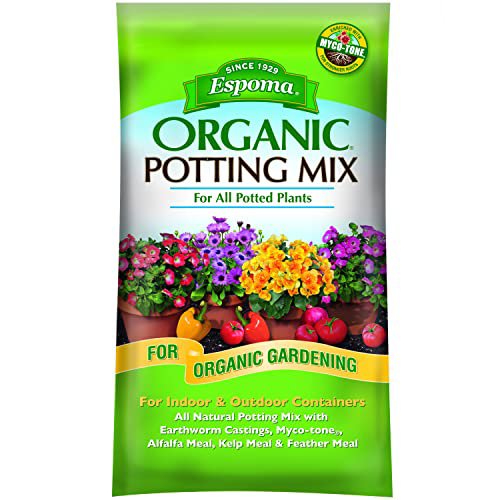
2 Prune away all rotted root and bulb tissue using sterilized tools, then repot the plant in a fresh, well-draining medium like Espoma Organic Potting Soil Mix to prevent further fungal growth.
3 Ensure the new pot has excellent drainage and use a moisture meter to monitor the soil, making sure to only water when the top inch of soil is dry to avoid future root rot.
warning

Liliom Corpusculum (Bulb/Stem Nematodes)

Microscopic worms attacking the root system of Oriental lilies disrupt the vascular flow of nutrients and water. This systemic damage leads to a progressive loss of vigor and noticeable drooping of the foliage.

Common
lightbulb
How to confirm: Check for small, irregular swellings or galls on the roots during bulb division.
build How to fix it
shopping_cart Recommended Products
1 Inspect the bulb and roots for any visible lesions, swelling, or soft spots caused by nematode damage.
2 Remove and destroy any heavily infested bulbs to prevent the microscopic worms from spreading to healthy plants.
3 Improve soil drainage and aeration by mixing in horticultural perlite to reduce the moist, dense environments nematodes thrive in.

Other Lilium orientalis Mothers Choice problems

Your plant might also be experiencing one of these issues:

local_hospital All symptoms eco All plants with drooping leaves
favorite