Lilium OT Cocossa Drooping Leaves
eco Drooping Leaves

Lilium OT Cocossa – Drooping Leaves

Why does your Lilium OT Cocossa have drooping leaves? Diagnose the cause and fix it with our step-by-step guide.

search Possible Causes

error

Water Stress (Underwatering or Drought)

OT Hybrids like 'Cocossa' have large, fleshy leaves that lose moisture rapidly through transpiration. When soil moisture is insufficient, the plant loses turgor pressure, causing the foliage to wilt.

Very Common
lightbulb
How to confirm: Insert your finger 2 inches into the soil; if it feels bone dry, the lily requires deep watering.
build How to fix it
shopping_cart Recommended Products
1 Immediately check the soil moisture level using a moisture meter to confirm the depth of the drought.
2 Thoroughly water the plant until water drains from the bottom of the pot, ensuring the entire root ball is saturated.
3 Apply a layer of organic mulch or perlite to the soil surface to help retain moisture and prevent future evaporation.
warning

Botrytis Lilianum (Botrytis Blight)

This fungal pathogen thrives in high humidity and can cause rapid wilting and leaf collapse. It often starts as small brown spots that expand, leading to a general drooping of the stem and foliage.

Common
lightbulb
How to confirm: Inspect the base of the leaves for fuzzy grey mold or necrotic brown lesions.
build How to fix it
shopping_cart Recommended Products
1 Remove and destroy all infected, drooping, or spotted leaves and stems immediately to prevent the fungus from spreading to healthy tissue.
2 Apply an organic fungicide to the plant to control the spread of the blight and protect remaining healthy foliage.
3 Improve air circulation around the plant and reduce humidity by avoiding overhead watering, ensuring the foliage dries quickly after moisture contact.
warning

Root Rot (Phytophthora)

Overly saturated soil prevents oxygen from reaching the bulb and roots, leading to decay. As the root system fails, it can no longer support the heavy, water-filled leaves of the 'Cocossa' cultivar.

Common
lightbulb
How to confirm: Gently lift the plant or check drainage holes to see if the soil is anaerobic (smells sour) and the bulb feels soft.
build How to fix it
shopping_cart Recommended Products
1 Immediately remove the lily from its current container and inspect the bulb and roots for mushy, dark, or foul-smelling decay.
2 Prune away all rotted root and bulb tissue using sterilized tools, then repot the plant in a fresh, well-draining medium like a mix containing perlite to ensure aeration.
3 Monitor the soil moisture levels closely using a moisture meter to ensure the soil is allowed to dry out between waterings, preventing future saturation.
warning

Nutrient Deficiency (Nitrogen)

A lack of available nitrogen prevents the production of chlorophyll and structural cell walls. This results in pale, limp leaves that cannot maintain an upright posture.

Common
lightbulb
How to confirm: Check if the drooping leaves are also exhibiting a distinct yellowing (chlorosis) starting from the older foliage.
build How to fix it
shopping_cart Recommended Products
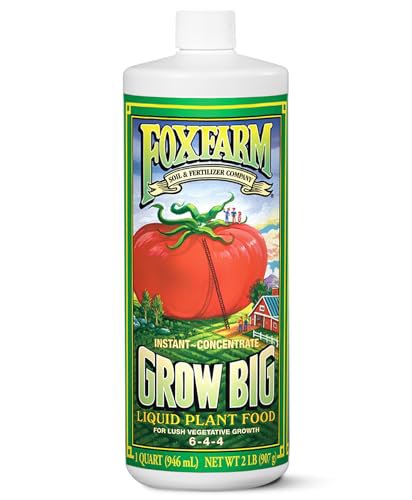
1 Apply a nitrogen-rich liquid fertilizer to boost chlorophyll production and strengthen leaf structure.
2 Monitor soil moisture levels with a moisture meter to ensure the plant is not drooping due to dehydration.
3 Ensure the plant is receiving adequate sunlight to support the metabolic processes required for nutrient uptake.

Other Lilium OT Cocossa problems

Your plant might also be experiencing one of these issues:

local_hospital All symptoms eco All plants with drooping leaves
favorite