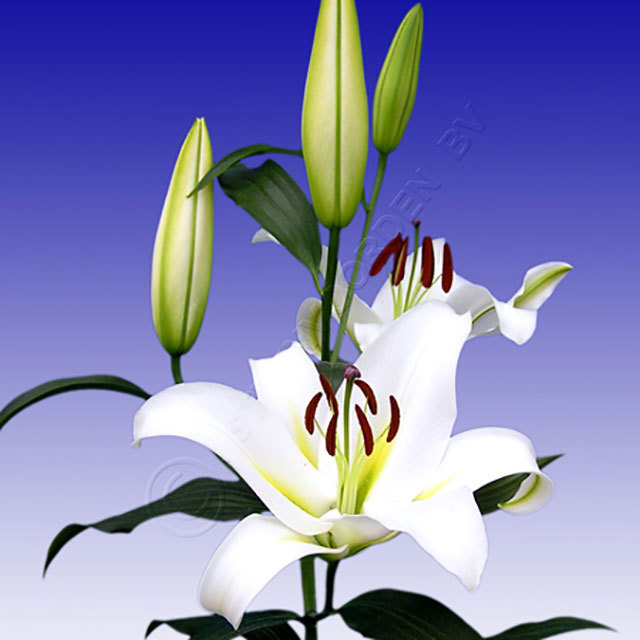
Lilium OT Cocossa Yellow Leaves
eco Yellow Leaves

Lilium OT Cocossa – Yellow Leaves

Why does your Lilium OT Cocossa have yellow leaves? Diagnose the cause and fix it with our step-by-step guide.

search Possible Causes

error

Overwatering and Poor Drainage

Lilium OT 'Cocossa' is highly susceptible to bulb rot if the medium remains saturated. Excessive moisture deprives roots of oxygen, leading to chlorosis (yellowing) as the plant can no longer transport nutrients effectively.

Very Common
lightbulb
How to confirm: Stick your finger two inches into the soil; if it feels soggy or smells musty, you are overwatering.
build How to fix it
shopping_cart Recommended Products
1 Immediately stop watering and allow the soil to dry out completely to prevent bulb rot.
2 Repot the lily in a well-draining medium, incorporating perlite to improve aeration and prevent water stagnation.
3 Ensure the plant is in a container with functional drainage holes and use a saucer to catch excess water, emptying it promptly.
error

Nitrogen Deficiency

As an Oriental-type hybrid, 'Cocossa' has high nutrient demands during its active growth phase. A lack of available nitrogen causes the mobile nutrient to be redistributed from older leaves to new growth, resulting in uniform yellowing of lower foliage.

Very Common
lightbulb
How to confirm: Check if the yellowing started on the oldest, bottom leaves while new growth remains green.
build How to fix it
shopping_cart Recommended Products
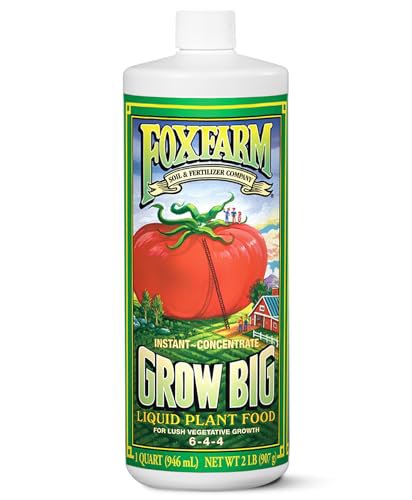
1 Apply a nitrogen-rich liquid fertilizer to provide immediate nutrient uptake for the lily's active growth phase.
2 Supplement the soil with an organic nitrogen source like blood meal to ensure a sustained release of nutrients.
3 Monitor soil moisture levels using a moisture meter to ensure the nitrogen-enriched water is reaching the root zone effectively.
warning

Botrytis Leaf Blight (Early Stage)

Fungal pathogens like Botrytis can cause foliage to yellow and eventually develop necrotic spots. This is particularly common in high-humidity environments where air circulation around the dense 'Cocossa' foliage is restricted.

Common
lightbulb
How to confirm: Inspect the yellowed areas for small, brown, water-soaked lesions or fuzzy grey mold patches.
build How to fix it
shopping_cart Recommended Products
1 Apply an organic fungicide to the affected foliage to halt the spread of the Botrytis pathogen.
2 Prune and remove all yellowing or necrotic leaves immediately to prevent the fungus from spreading to healthy tissue.
3 Improve air circulation around the dense foliage and reduce humidity by spacing plants further apart or using a fan.
warning

Temperature Stress (Heat/Cold)

Extreme fluctuations in temperature can cause 'Cocossa' to enter a semi-dormant state. Sudden heat waves during the budding stage or late spring frosts can trigger chlorophyll breakdown in the leaves.

Common
lightbulb
How to confirm: Observe if the yellowing coincided with a recent significant change in local weather patterns.
build How to fix it
shopping_cart Recommended Products
1 Stabilize the plant's environment by moving it to a location with consistent temperatures, away from sudden drafts or direct heat sources.
2 Monitor soil moisture closely to ensure the plant isn't experiencing secondary drought stress during heat waves using a moisture meter.
3 Apply a balanced liquid fertilizer to help the plant recover from the stress and support new foliage development.

Other Lilium OT Cocossa problems

Your plant might also be experiencing one of these issues:

local_hospital All symptoms eco All plants with yellow leaves
favorite