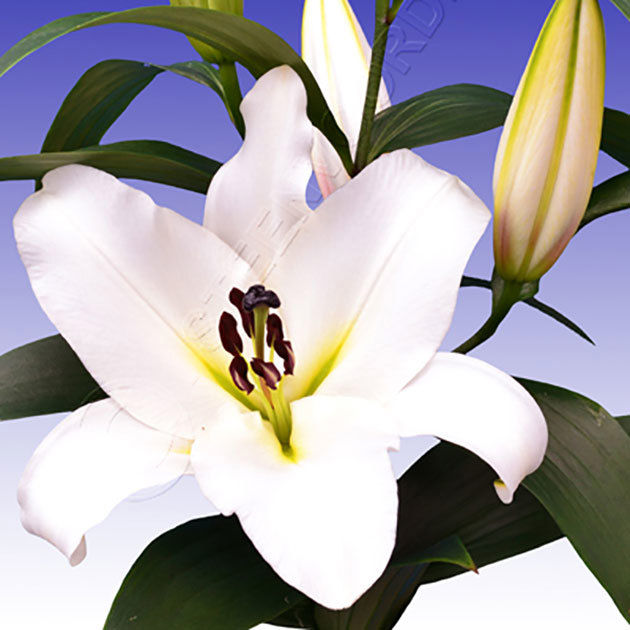
Lilium OT Saronno Drooping Leaves
eco Drooping Leaves

Lilium OT Saronno – Drooping Leaves

Why does your Lilium OT Saronno have drooping leaves? Diagnose the cause and fix it with our step-by-step guide.

search Possible Causes

error

Improper Soil Moisture (Water Stress)

Lilium OT hybrids require consistent moisture but are highly susceptible to both drought and waterlogging. Drooping is a primary defense mechanism when the bulb cannot transport water due to dry substrate or root asphyxiation.

Very Common
lightbulb
How to confirm: Insert your finger 2 inches into the soil; if it is bone dry, the plant needs water, but if it is saturated, you have an overwatering issue.
build How to fix it
shopping_cart Recommended Products
1 Check the soil moisture level immediately using a moisture meter to determine if the substrate is bone-dry or waterlogged.
2 If the soil is dry, thoroughly water the plant until water drains from the bottom; if the soil is saturated, allow it to dry out before next watering.
3 Ensure the plant is in a container with excellent drainage, such as a Root & Vessel pot, to prevent root rot from waterlogging.
warning

Botrytis Lilianum (Botrytis Blight)

This fungal pathogen thrives in the humid microclimates often found around dense lily foliage. It causes the leaf tissue to lose turgor pressure, leading to a wilted or drooping appearance, often accompanied by brown spots.

Common
lightbulb
How to confirm: Inspect the base of the leaves and petal edges for fuzzy gray mold or necrotic lesions.
build How to fix it
shopping_cart Recommended Products
1 Remove and destroy all infected, drooping, or spotted leaves immediately to prevent the fungal spores from spreading to healthy foliage.
2 Apply an organic fungicide to the plant to control the spread of the Botrytis pathogen.
3 Improve air circulation around the lily by thinning out dense foliage and ensure you water at the base of the plant to keep leaves dry.
warning

Fungal Root Rot (Fusarium or Phytophthora)

Oriental and OT hybrids are sensitive to soil-borne pathogens that attack the bulb scales and root system. As the roots decay, they lose the ability to uptake water, causing the entire stem and foliage to droop despite moist soil.

Common
lightbulb
How to confirm: Gently lift the bulb from the soil to check if it feels soft, slimy, or emits a foul odor.
build How to fix it
shopping_cart Recommended Products
1 Immediately remove the bulb from the soil and inspect for mushy, dark, or foul-smelling roots and scales; discard any parts showing clear signs of decay.
2 Repot the healthy portion of the bulb in a fresh, well-draining medium enriched with perlite to ensure maximum aeration and prevent water pooling.
3 Apply a fungicide treatment to the remaining healthy tissue and ensure the new planting site has excellent drainage to prevent future pathogen buildup.
warning

Nutrient Deficiency (Nitrogen or Magnesium)

A lack of essential macronutrients prevents the plant from maintaining cell wall integrity and chlorophyll production. This can cause leaves to lose stiffness and hang limply from the stem.

Common
lightbulb
How to confirm: Observe if the drooping is accompanied by yellowing (chlorosis) of the older, lower leaves.
build How to fix it
shopping_cart Recommended Products
1 Apply a liquid seaweed fertilizer to boost nutrient uptake and provide essential trace minerals like magnesium.
2 Supplement with a calcium and magnesium fertilizer to strengthen cell walls and prevent further drooping.
3 Monitor soil moisture levels with a moisture meter to ensure the deficiency isn't being masked by overwatering.

Other Lilium OT Saronno problems

Your plant might also be experiencing one of these issues:

local_hospital All symptoms eco All plants with drooping leaves
favorite