Lilium OT Saronno Fine Webbing
eco Fine Webbing

Lilium OT Saronno – Fine Webbing

Why does your Lilium OT Saronno have fine webbing? Diagnose the cause and fix it with our step-by-step guide.

search Possible Causes

error

Two-Spotted Spider Mite Infestation

Spider mites thrive in the warm, dry conditions often experienced by OT hybrids like Saronno. They pierce plant cells to feed, leaving behind fine silk webbing as they create colonies on the undersides of lily leaves.

Very Common
lightbulb
How to confirm: Hold a white piece of paper under a leaf and tap it to see if tiny crawling dots or debris fall onto the paper.
build How to fix it
shopping_cart Recommended Products
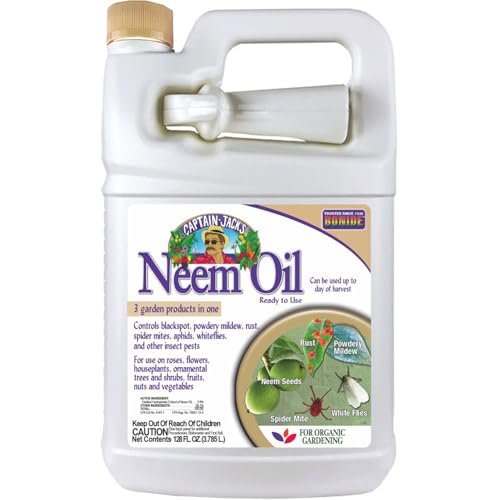
1 Apply an organic miticide spray to the plant, ensuring you thoroughly coat the undersides of the leaves where the mites and webbing reside.
2 Increase local humidity and reduce heat by misting the foliage regularly to create an environment less favorable to spider mite reproduction.
3 Monitor the soil moisture levels to ensure the plant is not under drought stress, which can exacerbate mite infestations.
error

Tetranychus urticae (European Red Spider Mite)

This specific mite species is highly prevalent in greenhouse-grown lilies and produces dense webbing that can eventually cause the lily foliage to turn chlorotic or bronze.

Very Common
lightbulb
How to confirm: Inspect the leaf undersides for tiny reddish or orange moving specks near the silk strands.
build How to fix it
shopping_cart Recommended Products
1 Apply an organic miticide to eliminate the spider mite population and destroy existing eggs and larvae.
2 Increase humidity around the lily foliage and wipe leaves with a damp cloth to physically remove webbing and dislodge mites.
3 Monitor soil moisture levels to ensure the plant is not under drought stress, which can exacerbate mite infestations.
warning

High Humidity/Microclimate Mold (Secondary)

While webbing is characteristic of mites, extremely high humidity trapped within dense Saronno lily foliage can sometimes cause fungal hyphae to appear thread-like and web-like across leaf surfaces.

Common
lightbulb
How to confirm: Check if the 'webbing' feels organic/fuzzy rather than structural/silky and if there are dark necrotic spots nearby.
build How to fix it
shopping_cart Recommended Products
1 Inspect the undersides of leaves for tiny moving dots or eggs to confirm if the webbing is spider mites rather than fungal hyphae.
2 Improve airflow around the dense foliage by pruning away any dead or overly crowded leaves to reduce trapped humidity.
3 Apply an organic miticide/fungicide spray to eliminate both potential spider mites and secondary fungal growth.

Other Lilium OT Saronno problems

Your plant might also be experiencing one of these issues:

local_hospital All symptoms eco All plants with fine webbing
favorite